What to Do When a Police Dog Destroys Your Car in Dallas
Bottom line up front: You have the right to remain silent (Fifth Amendment) and the right to counsel (Sixth Amendment) at every police encounter. *Miranda v. Arizona*, 384 U.S. 436 (1966), requires officers to inform custodial suspects of these rights. The most important phrase: "I want a lawyer."
Free, Confidential Case Review
Tell us what happened. A defense attorney reviews every submission — usually within an hour, day or night.


Co-Founding Partners
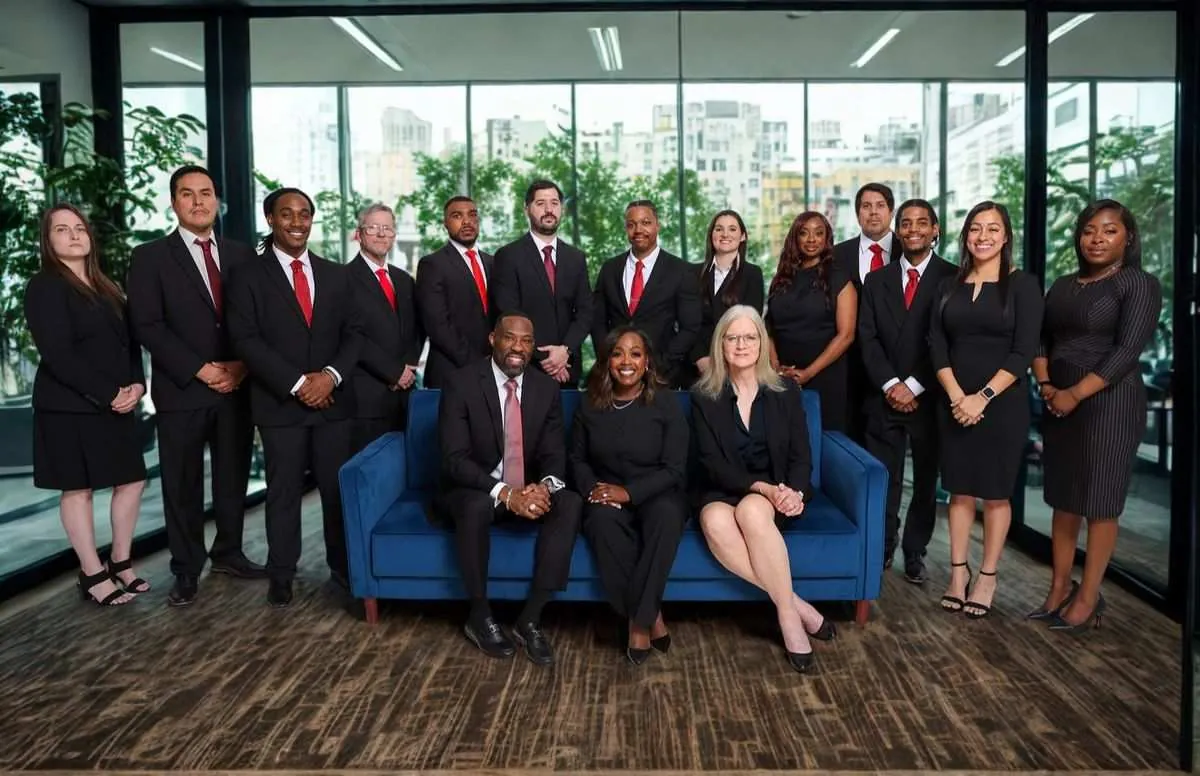
Texas Bar verified. Reggie London (Texas Bar No. 24043514) and Njeri London (Texas Bar No. 24043266) are the co-founding partners of L and L Law Group, PLLC — based at 5899 Preston Rd, Suite 101 in Frisco, Texas (Collin County), with many 5-star Google reviews, and available 24/7 for criminal defense consultations.
Imagine this: you’re pulled over in Dallas, Texas, and during a routine traffic stop, a police dog ends up damaging or completely destroying your car. This situation can be stressful, confusing, and costly. Understanding your legal rights and the steps you should take with the guidance of L & L Law Group is crucial to protect yourself and your property.
Understanding Police Dog Use in Dallas Law Enforcement
Police dogs, also known as K-9 units, are trained to assist officers in tasks like suspect apprehension, drug detection, and crowd control. While these dogs are highly trained, accidents can happen. When a police dog damages your car in Dallas, it can result in significant repair costs or even render your vehicle unusable.
In Dallas, law enforcement officers are generally allowed to use K-9 units during lawful stops or searches. However, you still have rights, and the damage caused by a police dog may entitle you to compensation under certain circumstances. L & L Law Group can help you understand these rights and take action.
Steps to Take If a Police Dog Destroys Your Car in Dallas
1. Stay Calm and Document Everything
Immediately after the incident, ensure your safety and the safety of others. Take clear photos and videos of the damage caused by the police dog. Note the time, location, officer details, and any witnesses present. This documentation is crucial for potential legal action or insurance claims with the support of L & L Law Group.
2. Contact an Experienced Dallas Criminal Defense Lawyer
Even if the damage seems minor, it’s wise to consult a lawyer experienced in police interactions and civil claims. A Dallas-based attorney from L & L Law Group can help you understand your rights, communicate with the police department, and guide you in filing a claim for damages.
3. Notify Your Insurance Company
Contact your auto insurance provider as soon as possible. Provide them with all documentation and explain that the damage occurred due to law enforcement action. Some policies may cover such incidents, while others may require additional legal action.
4. File a Formal Complaint
If you believe the officer acted recklessly or the use of the K-9 unit was unnecessary, you can file a complaint with the Dallas Police Department’s Internal Affairs Division. This process helps protect your rights and may prevent future incidents.
Know Your Rights in Dallas, Texas
It’s important to understand that while police dogs are allowed to assist in law enforcement, you are not required to accept property damage without question. Texas law provides avenues for citizens to seek compensation when law enforcement actions cause unnecessary harm to personal property.
Additionally, your rights include:
The right to document and report the incident
The right to seek legal representation from L & L Law Group
The right to file claims for property damage
By taking the proper steps, you protect yourself from being unfairly burdened with repair costs and hold the responsible parties accountable.
Preventing Future Incidents in Dallas
While you can’t control police procedures, you can reduce risks by:
Remaining calm and compliant during traffic stops
Avoiding sudden movements that could trigger K-9 alerts
Keeping a dashcam to document interactions with law enforcement
Conclusion
A police dog destroying your car in Dallas is a stressful experience, but knowing your rights and acting promptly can make a big difference. Document the incident, contact a Dallas attorney at L & L Law Group, and involve your insurance company. Taking these steps ensures that your property is protected and that you’re treated fairly under Texas law.
Remember, staying calm, informed, and proactive is the best way to handle any encounter with law enforcement, especially when a K-9 unit is involved. L & L Law Group is here to guide Dallas residents through these challenging situations and protect your legal rights.
Key Legal Terms
- Miranda Warning
- Required pre-interrogation advisory under *Miranda v. Arizona*, 384 U.S. 436 (1966), informing custodial suspects of their right to remain silent and right to counsel. Statements taken without Miranda are inadmissible in the State's case-in-chief.
- Fourth Amendment
- Constitutional protection against unreasonable searches and seizures. Texas Constitution Article I § 9 provides parallel — sometimes broader — protection. Foundation of suppression motions in every criminal case touching evidence.
- Custodial Interrogation
- Interrogation while in police custody, triggering Miranda requirements. Custody is determined by whether a reasonable person would feel free to leave under the totality of circumstances (Berkemer v. McCarty, 468 U.S. 420).
- Riley v. California
- 573 U.S. 373 (2014) — Supreme Court decision requiring a warrant to search digital data on a cell phone seized incident to arrest. The doctrinal foundation of cell-phone-search defense.
In our practice defending Texas criminal cases, we have represented clients in Collin, Dallas, Denton, and Tarrant County criminal courts on the full Texas Penal Code and Health & Safety Code spectrum. Reggie's prosecutor background in Dallas County means we know the State's evidentiary playbook; Njeri's trial-trained motion practice anchors the suppression-driven defense work.
Frequently Asked Questions
Do I have to talk to the police in Texas?
Can police search my car without a warrant in Texas?
Can I refuse a search of my phone?
What should I do if police pull me over in Texas?
When do I need a lawyer in a Texas criminal case?
References & Authoritative Sources
About the Authors
Charged with a crime in Texas? Talk to L and L Law Group.
Co-founding partners Reggie London (Texas Bar No. 24043514) and Njeri London (Texas Bar No. 24043266) ensure attorney-level review at every stage. Free consultation. Frisco, Texas.
Call (972) 370-5060Was this article helpful?
Talk to a real attorney
Send a few details and a defense attorney will reach back within an hour, day or night. No call center. No paralegal screen.