
Blog
Traffic Stop Secrets Police Don’t Tell You | Know Your Rights
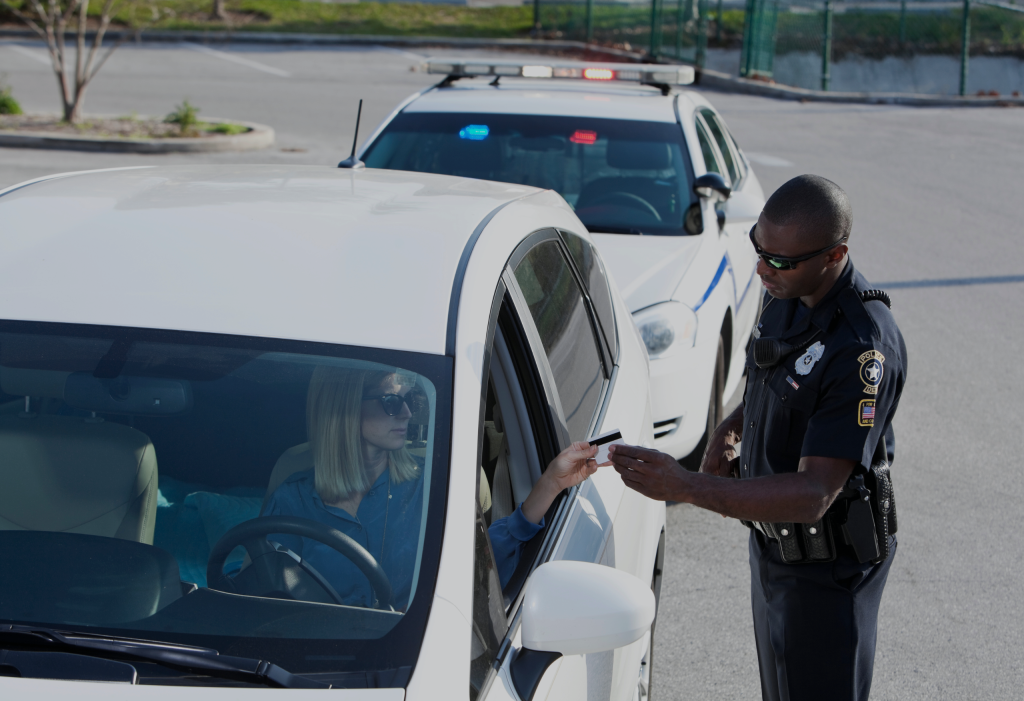
Traffic stops in Dallas can be stressful, confusing, and even intimidating. Most drivers know to pull over, keep their hands visible, and be polite—but few understand the hidden tactics officers are trained to use.
Understanding these traffic stop secrets and your legal rights is crucial. It can protect you from unnecessary searches, reduce the risk of escalation, and ensure you stay within the law.
1. Officers Can Pull You Over for Any Minor Violation
Even a small mistake can justify a traffic stop in Texas:
Rolling a stop sign
Drifting slightly in your lane
A broken brake light or dim license plate light
Minor speeding
This is called a pretextual stop, and under Whren v. United States, it is fully legal. Officers can use a minor violation as a “legal reason” to investigate other potential issues.
2. Police Observe You Before Pulling You Over
Before activating lights, officers often watch for subtle behavior:
Sudden braking or acceleration
Nervous movements or fidgeting
Avoiding eye contact
Overcorrecting steering
These early observations are considered part of their suspicion-building process.
3. Officer Safety Is Their Top Priority
Traffic stops are one of the most dangerous interactions for law enforcement. Dallas officers are trained to:
Approach from the rear passenger side (blind spot)
Touch the trunk to leave fingerprints
Ask drivers to keep hands visible
Watch body movements closely
Understanding this can prevent misinterpreting safety protocols as hostility.
4. Officers Can Ask Questions Unrelated to Driving
Questions may go beyond traffic violations:
“Where are you coming from?”
“Do you have weapons in the car?”
“Is this your vehicle?”
You do not have to answer questions unrelated to the stop. A safe response:
“I prefer not to answer questions unrelated to the stop.”
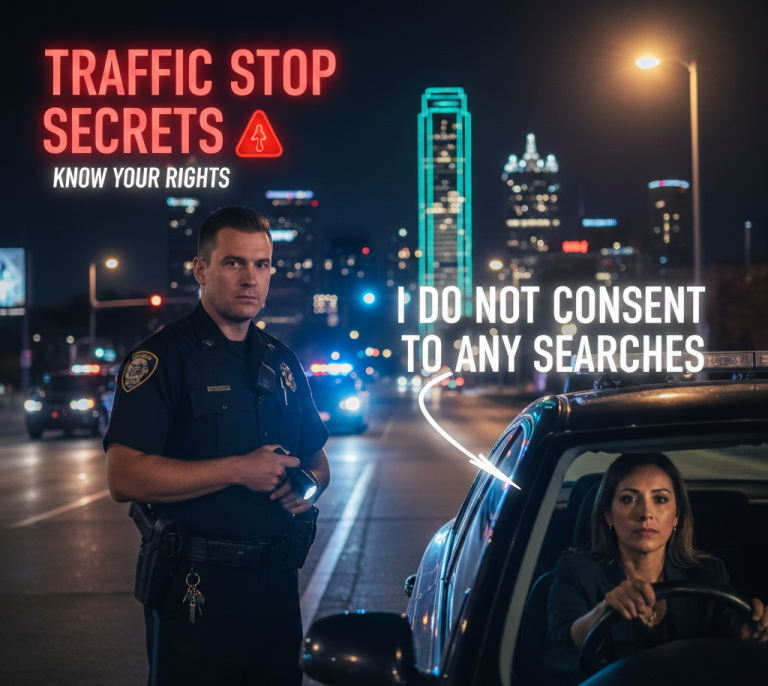
5. You Can Refuse a Search
Officers may ask to search your vehicle even without evidence. Common phrasing includes:
“Mind if I take a look?”
“Do you have anything illegal in the car?”
You are legally allowed to say:
“No, officer, I do not consent to any searches.”
Refusing cannot be used against you in court.
6. Nervous Behavior Can Be Misinterpreted
Police are trained to note behaviors that may indicate deception, even if you are just anxious:
Shaking or fidgeting
Heavy breathing
Over-explaining
Avoiding eye contact
Stay calm and polite to reduce the chance of misinterpretation.
7. Officers Are Scanning Your Vehicle for Clues
Before any search or arrest, police often look for indicators of criminal activity:
Air fresheners
Fast-food trash
Multiple phones or electronics
Tools or backpacks
Window tint or modifications
None of these are illegal, but they can raise suspicion.
8. Officers Can Legally Order You Out of the Vehicle
Supreme Court rulings allow officers to order both drivers and passengers out for safety reasons, even without suspicion of a crime.
9. Traffic Stops Are Recorded
Most stops are captured on:
Dashcams
Body cameras
In-car microphones
License plate readers
This documentation can be used in court or for internal review.
10. You Can Record the Police
Recording police officers during a traffic stop is legal in Texas, provided you:
Don’t interfere with the officer’s duties
Keep hands visible
Do not reach suddenly for devices
Recording helps protect your rights and provides evidence if needed.
How to Protect Yourself During Any Dallas Traffic Stop
Keep your hands visible – on the steering wheel.
Stay calm and polite – assertive but respectful.
Do not volunteer extra information – answer only required questions.
Politely decline searches – “I do not consent to any searches.”
Ask clearly – “Am I being detained, or am I free to go?”
Document the stop – take notes or safely record video/audio if allowed.
Frequently Asked Questions (Dallas Law)
Q1: Can Dallas police search my car without consent?
A1: Only with probable cause, during an arrest, or under specific exceptions like inventory searches. Without consent, officers need legal justification.
Q2: Can police order passengers out of the vehicle?
A2: Yes, Supreme Court rulings allow both drivers and passengers to be ordered out for safety reasons.
Q3: Do I have to answer questions about my destination or travel plans?
A3: No. You can politely decline unrelated questions.
Q4: Can I refuse a field sobriety test?
A4: Yes, but Texas implied consent laws may suspend your license. Refusal does not equal guilt.
Q5: Can I record the police?
A5: Yes, as long as you don’t interfere with the officer’s duties.
Conclusion
Traffic stops in Dallas are strategic encounters guided by officer training and law. By knowing the hidden tactics police use and understanding your legal rights, you can navigate traffic stops safely and confidently.
Remember: staying calm, polite, and informed is your best protection.