How the Right Defense Attorney Can Strengthen Your Sex Offense Case in Texas?
Reggie London
When you’re facing sex offense charges in Texas, the weight of the accusation alone can feel crushing at Dallas Fort Worth. Your reputation hangs in the balance, your freedom is at stake, and the legal system seems impossibly complex. In these moments, the difference between a conviction and a favorable outcome often comes down to one critical factor: the quality of your legal representation.
The right defense attorney doesn’t just argue your case in court. They become your advocate, your strategist, and your shield against a system that can be unforgiving. In the Dallas Fort Worth region, law enforcement agencies move quickly during investigations. Evidence is collected aggressively. Interviews happen fast. And prosecutors often push for harsh penalties.Let’s explore how experienced legal counsel can transform your defense and protect your future.
Understanding the Severity of Sex Offense Charges in Texas
Texas takes sex offense allegations seriously, and the consequences reflect that stance. You’re not just facing potential jail time. A conviction can result in mandatory sex offender registration, restrictions on where you can live and work, and a permanent mark on your criminal record.
The charges vary widely in severity:
Indecent exposure carries misdemeanor penalties
Sexual assault is typically a second-degree felony
Aggravated sexual assault escalates to a first-degree felony
Child-related offenses often come with enhanced penalties
Each category carries different legal standards and defense strategies. Without proper representation, you might not even understand what you’re truly up against.
Why Generic Legal Representation Isn't Enough?
You wouldn’t hire a cardiologist to perform brain surgery. The same principle applies to legal defense. Sex offense cases in Dallas Fort Worth require specialized knowledge that general practice attorneys simply don’t possess.
The Technical Complexity
These cases involve intricate forensic evidence, medical terminology, and psychological evaluations. Your attorney needs to understand DNA analysis, digital forensics, and expert witness testimony. They must know how to challenge questionable evidence and identify procedural errors that could work in your favor.
The Emotional Intelligence Required
Sex offense cases are charged with emotion. Juries come with preconceptions. Prosecutors pursue these cases aggressively. Your defense attorney must navigate these dynamics while keeping the focus on facts and reasonable doubt.
How the Texas Penal Code Shapes Sex Offense Cases?
The Texas Penal Code plays a major role in how sex offense cases are handled, charged, and punished. These laws define every element of a sex crime, including intent, age requirements, consent rules, and the level of force involved. Under the Penal Code, many sex offenses fall under Chapter 21, which includes sexual assault, aggravated sexual assault, and indecency-related offenses.
Penalties range from state jail felonies to first-degree felonies, depending on the circumstances. Because the language in the Penal Code is strict and often complicated, even small differences in evidence or timing can change how a charge is classified. This makes it critical to have a defense attorney who understands every nuance of Texas law and how it applies to your specific situation.
How a Skilled Defense Attorney Builds Your Case?
The moment you retain qualified counsel, the real work begins. Here’s what sets exceptional defense attorneys apart from the rest.
Immediate Investigation and Evidence Preservation
Time is your enemy when evidence is involved. Your attorney will:
Secure surveillance footage before it’s deleted
Interview witnesses while memories are fresh
Preserve digital evidence and metadata
Document inconsistencies in the accuser’s timeline
Every day that passes without proper investigation makes building a strong defense more difficult.
Identifying Weaknesses in the Prosecution’s Case
Prosecutors aren’t infallible. They make assumptions, overlook details, and sometimes pursue charges without sufficient evidence. Your defense attorney scrutinizes every aspect of their case:
Inconsistent statements from the alleged victim
Lack of physical evidence supporting the claims
Questionable chain of custody for forensic materials
Violations of your constitutional rights during investigation or arrest
These weaknesses become the foundation of your defense strategy.
The Role of Digital Forensics in Texas Sex Offense Cases
Digital evidence has become one of the most influential factors in modern sex offense investigations. Phone records, text messages, social media activity, location data, and digital images can strongly shape how a case is interpreted. Texas law enforcement agencies, especially in the Dallas Fort Worth region, rely heavily on digital forensics units that extract and examine data from electronic devices. However, digital evidence is not always clear or reliable. Files may be misinterpreted, timestamps may be inaccurate, and data may be taken out of context.
Special Challenges in Dallas Fort Worth Sex Offense Cases
The Dallas Fort Worth region has large police departments, specialized units, and dedicated prosecutors. This creates several challenges:
Faster investigations
More aggressive evidence collection
Highly trained digital forensic teams
Strict judges in certain courts
Large juror pools with mixed biases
The right attorney knows these local patterns and adjusts strategies accordingly.
Strategic Defense Approaches That Make a Difference
No two cases are identical, and cookie-cutter defenses rarely succeed. Your attorney should tailor the approach to your specific circumstances.
Challenging Credibility and Motive
Sometimes allegations stem from custody disputes, revenge, or misunderstandings. Your attorney will investigate:
The relationship between you and the accuser
Any history of false accusations
Financial or personal motivations for filing charges
Mental health issues that might affect testimony reliability
This isn’t about attacking victims. It’s about ensuring the truth emerges.
Presenting Alternative Explanations
Physical evidence doesn’t always mean what prosecutors claim. Medical findings can have innocent explanations. Digital evidence can be misinterpreted. Your defense attorney presents these alternative narratives backed by expert testimony.
The Importance of Local Legal Knowledge in Dallas Fort Worth
Texas is vast, but court systems operate locally. What works in Houston might not fly in Dallas Fort Worth. Your defense attorney’s familiarity with local courts provides distinct advantages.
Understanding Local Prosecutors
Experienced local attorneys know how Dallas Fort Worth prosecutors operate. They understand:
Which assistant district attorneys are open to negotiation
How different judges handle sex offense cases
What plea bargains are realistically achievable
Which arguments resonate with local juries
This knowledge shapes strategy in ways that out-of-town attorneys can’t replicate.
Relationships Matter
Legal defense isn’t purely adversarial. Attorneys who regularly practice in Dallas Fort Worth have established professional relationships. These connections can facilitate negotiations, expedite processes, and sometimes lead to more favorable outcomes.
Pre-Trial Procedures That Can Make or Break Your Case
Most people think trials determine case outcomes. In reality, pre-trial work often matters more.
Bond Hearings and Conditions of Release
Your attorney fights to keep you out of jail while your case proceeds. They argue for:
Reasonable bond amounts
Minimal restrictions on your freedom
Modifications to protective orders
Permission to maintain employment
Staying free during the legal process helps you participate in your own defense.
Suppression Motions
Evidence obtained illegally can’t be used against you. Your attorney files motions to suppress:
Statements made without proper Miranda warnings
Evidence from unconstitutional searches
Identifications made through suggestive procedures
Confessions obtained through coercion
Successfully suppressing key evidence can lead to reduced charges or dismissal.
Pre-Trial Motion
Purpose
Potential Impact
Motion to Suppress Evidence
Exclude illegally obtained evidence
Weakens prosecution case significantly
Motion to Dismiss
Challenge legal sufficiency of charges
Case dismissal without trial
Motion for Speedy Trial
Enforce constitutional right to prompt trial
Pressure on prosecution timeline
Motion to Sever Charges
Separate multiple charges into different trials
Prevents jury prejudice
Discovery Motions
Compel prosecution to share evidence
Reveals weaknesses in their case
Expert Witnesses and How They Strengthen Your Defense
Your word against the accusers isn’t enough. Expert witnesses provide the credibility and technical analysis that juries need.
Types of Experts Your Attorney May Employ
Different cases require different expertise:
Forensic analysts to challenge DNA or physical evidence
Medical professionals to provide alternative explanations for injuries
Digital forensics experts for cases involving electronic evidence
Psychologists to address memory reliability or suggestibility
Investigators to uncover evidence the police missed
These experts don’t just testify. They help your attorney understand the technical aspects of your case and identify defense opportunities.
The Cost-Benefit Analysis
Expert witnesses are expensive, but they’re often worth every penny. Your defense attorney evaluates which experts will provide the most value for your specific situation. Sometimes a single expert witness creates reasonable doubt that secures your acquittal.
Plea Negotiations vs. Trial: Making Informed Decisions
Not every case should go to trial, and not every plea offer should be accepted. Your attorney helps you make this critical decision.
When Negotiating Makes Sense
Sometimes the evidence against you is strong, but the charges are excessive. Skilled defense attorneys negotiate:
Reduced charges with lesser penalties
Deferred adjudication that avoids conviction
Alternatives to sex offender registration
Sentencing recommendations from the prosecution
These negotiations require leverage, which comes from thorough case preparation.
When Fighting Is the Right Choice?
If the evidence is weak, the charges are false, or the offer is unreasonable, trial becomes necessary. Your attorney’s willingness to go to trial often influences how seriously prosecutors take negotiation discussions.
Protecting Your Rights Throughout the Process
The legal system is designed with safeguards, but they only work if someone enforces them on your behalf.
Constitutional Protections
Your defense attorney ensures authorities respect your rights:
Fourth Amendment: Protection against unreasonable searches
Fifth Amendment: Right against self-incrimination
Sixth Amendment: Right to counsel and confrontation of witnesses
Due Process: Fair treatment throughout legal proceedings
Violations of these rights can result in case dismissal or evidence suppression.
Preventing Self-Incrimination
One of the most valuable things your attorney does is stop you from making your situation worse. They advise you:
When to remain silent during police questioning
What to say (and not say) to investigators
How to handle contact with the accuser
What social media activity could damage your case
People facing charges often inadvertently harm their own defense. Your attorney prevents these mistakes.
The Long-Term Consequences and How Defense Strategy Addresses Them
Even if you avoid jail time, sex offense convictions carry lifelong consequences. Your defense attorney considers these implications when developing strategy.
Sex Offender Registration
Texas requires most sex offense convictions to result in registration. This means:
Your information published on public databases
Restrictions on where you can live
Regular reporting to law enforcement
Employment and housing limitations
Fighting to avoid this designation is often as important as avoiding incarceration.
Collateral Consequences
Beyond legal penalties, you face:
Professional license revocations
Immigration consequences for non-citizens
Family law implications in custody cases
Social stigma that affects every aspect of life
Your attorney develops strategies that minimize these collateral damages whenever possible.
Finding the Right Defense Attorney for Your Case
The attorney’s reputation among local prosecutors and judges also matters significantly.Not every criminal defense attorney is equipped to handle sex offense cases effectively. You need specific qualifications.
What to Look For?
When evaluating potential defense attorneys, consider:
Specific experience with sex offense cases
Trial experience in Dallas Fort Worth courts
Resources to hire necessary experts
Communication style that keeps you informed
Track record with cases similar to yours
Questions to Ask During Consultation
Don’t hire the first attorney you meet. You must check a few things before proceeding. Afterall, you are about to rely on it for your life’s reputation. Here is what you may ask:
How many sex offense cases have you handled?
What were the outcomes?
What’s your approach to my specific situation?
Who will actually work on my case?
What are the realistic possible outcomes?
Pay attention to whether they give you honest assessments or make unrealistic promises.
The Critical Importance of Acting Quickly
Time is not on your side when facing sex offense allegations. Every hour that passes without legal representation is an opportunity lost. Witnesses’ memories fade, digital evidence gets overwritten, and surveillance footage is automatically deleted. More importantly, anything you say or do during this vulnerable period can be used against you in court. The moment you learn of an investigation or receive charges, securing experienced legal counsel should be your absolute priority. Early intervention by a skilled defense attorney allows for immediate damage control, evidence preservation, and strategic planning that simply isn’t possible if you wait. Many cases are won or lost in the first few days based on actions taken or not taken during this critical window.
Conclusion
Whether your case involves challenging false allegations, suppressing improperly obtained evidence, negotiating favorable outcomes, or taking your defense to trial, the expertise you choose matters profoundly. Firms like L & L Law Group represent the level of focused advocacy that can make all the difference when everything is on the line. Your case deserves nothing less than attorneys who treat your defense with the seriousness and dedication it requires.
Frequently Asked Questions
Q1. What should I do first if I’m accused of a sex offense in Texas?
Your first step should be to avoid speaking to law enforcement without a lawyer present. Anything you say, even casually, can be used against you. Contact a defense attorney immediately so they can guide you, protect your rights, and prevent early mistakes that might harm your case.
Q2. Why is hiring a specialized defense attorney better than choosing a general criminal lawyer?
Sex offense cases involve digital forensics, medical evidence, complex statutes, and strict Texas Penal Code requirements. A general criminal lawyer may not have the technical background or experience needed. A specialized defense attorney understands these cases deeply and knows how to challenge evidence, cross-examine experts, and navigate the sensitive nature of these charges.
Q3. How does digital evidence impact sex offense cases in Texas?
Digital evidence:- texts, emails, photos, location data, social media activity—often shapes the prosecution’s version of events. However, digital data can be misinterpreted, taken out of context, or collected improperly. A skilled attorney reviews how the evidence was obtained, analyzes metadata, questions authenticity, and challenges forensic errors when they appear.
Q4. Can sex offense charges be reduced or dismissed in the Dallas Fort Worth region?
Yes, depending on the strength of the evidence and the defense strategy. An attorney can negotiate with local prosecutors, identify weaknesses, challenge unlawful evidence, or present expert testimony that shifts the narrative. In some cases, charges may be reduced, reclassified, or dismissed before trial.
Q5. What penalties am I facing if convicted of a sex offense in Texas?
Penalties vary widely. They may include jail or prison time, mandatory sex offender registration, fines, protective orders, housing restrictions, loss of employment opportunities, and long-term social consequences. Some offenses are misdemeanors, while others—like aggravated sexual assault, carry first-degree felony penalties. Early legal intervention helps limit these outcomes.
Q6. How quickly should I hire a defense attorney after learning about an investigation?
Immediately. Early legal action protects your rights and allows your attorney to secure evidence before it disappears, gather witness statements, and prevent harmful self-incrimination. Many sex offense cases are impacted most by what happens in the first few days of an investigation, making prompt representation critical.
Probation conditions can feel overwhelming once you start living under them. What seemed manageable in court becomes difficult in daily life. Travel restrictions prevent job opportunities. Curfews conflict with work schedules. Mandatory classes cost money you don't have. The reality of strict supervision often creates hardships that weren't apparent when you accepted the terms.
Blog
How Can a Lawyer Help You Modify Your Probation Terms?
Reggie London
Probation conditions can feel overwhelming once you start living under them. What seemed manageable in court becomes difficult in daily life. Travel restrictions prevent job opportunities. Curfews conflict with work schedules. Mandatory classes cost money you don’t have. The reality of strict supervision often creates hardships that weren’t apparent when you accepted the terms.
You don’t have to suffer through impossible conditions. Courts can modify probation terms when circumstances justify changes. A probation modification lawyer understands how to present your situation persuasively and identify which conditions judges are most willing to adjust. Legal representation increases your chances of obtaining relief significantly. Here’s how attorneys help people secure more reasonable probation conditions.
Evaluating Which Terms Can Be Modified
Not all probation conditions are equally flexible. Courts readily modify some requirements while treating others as non-negotiable. Experienced attorneys know which terms judges typically adjust and which ones face resistance.
Commonly Modified Conditions
Travel restrictions that prevent employment
Curfews conflicting with work schedules
Meeting frequencies with probation officers
Community service hour requirements
Mandatory program attendance requirements
Electronic monitoring requirements
These conditions often get modified when legitimate reasons exist. Courts recognize that probation should rehabilitate, not create insurmountable barriers to productive living.
Difficult to Change Conditions
Some requirements rarely see modification. Judges hesitate to alter conditions involving victim protection, substance abuse testing, or sex offender restrictions. These terms directly relate to public safety concerns. Attorneys still pursue modifications when strong justifications exist, but success rates vary.
Gathering Evidence to Support Your Request
Courts don’t modify probation based on convenience alone. You need compelling evidence showing why changes are necessary. Attorneys know what documentation persuades judges and how to organize it effectively.
Employment Verification
Job offers or current employment records demonstrate why travel restrictions or curfews create problems. Letters from employers explaining work hours, job locations, or travel requirements carry significant weight. Attorneys help secure properly formatted documentation that courts find credible.
Medical Documentation
Health conditions that make compliance difficult justify modifications. Perhaps required meetings conflict with medical appointments. Maybe physical limitations prevent completing community service. Medical records and doctor statements support these claims when presented properly.
Financial Hardship Proof
Some probation terms come with costs. Classes, testing, and supervision fees add up quickly. Pay stubs, bank statements, and bills showing financial strain help courts understand why fee reductions or payment plan modifications make sense.
Family Responsibility Evidence
Caring for children, elderly parents, or disabled family members might conflict with probation requirements. School schedules, medical records, and affidavits from family members establish these obligations. Courts consider family responsibilities when determining reasonable conditions.
Filing the Motion Correctly
Probation modification requires formal motions filed with the sentencing court. The motion must follow specific legal formats and include necessary supporting documents. Mistakes in filing can result in denials before judges even consider the merits.
Technical Requirements
Motions must cite relevant statutes and case law. They need proper captions, case numbers, and court styling. Supporting exhibits must be attached correctly. These technical details seem minor but matter tremendously. Courts can reject improperly formatted motions outright.
Service Requirements
All parties receive copies of modification motions. This includes prosecutors and probation departments. Proper service following legal procedures is mandatory. Missing service requirements gives prosecutors grounds to dismiss your motion.
Timing Considerations
You can’t file modification motions immediately after sentencing. Courts typically require waiting periods. However, waiting too long might suggest conditions aren’t actually causing hardship. Attorneys understand optimal timing that maximizes approval chances.
Addressing Prosecutor Opposition
Prosecutors often oppose probation modifications. They argue that defendants knew the conditions when accepting plea agreements. Overcoming prosecutorial resistance requires strategic legal arguments.
Demonstrating Changed Circumstances
Courts are more receptive when circumstances change after sentencing. New job opportunities, medical diagnoses, or family emergencies represent changed circumstances. Attorneys frame your situation to highlight what’s different now versus when you were sentenced.
Showing Compliance History
Perfect compliance with current terms strengthens modification requests. Clean drug tests, completed community service hours, and paid fees demonstrate you’re taking probation seriously. Attorneys compile compliance records that show judges you’re not seeking easier terms because you’re failing.
Preparing You for the Hearing
Modification hearings let you present your case directly to judges. How you conduct yourself influences outcomes significantly. Attorneys prepare you for questioning and help you communicate effectively.
Anticipating Judge Questions
Judges ask probing questions during hearings. Why didn’t you consider these issues before accepting probation? What’s changed since sentencing? How will modifications help you succeed? Attorneys prepare responses that address judicial concerns directly.
Dressing and Speaking Appropriately
Courtroom demeanor matters. Appropriate dress, respectful language, and clear communication create positive impressions. Attorneys advise on presentation details that might seem obvious but get overlooked when people are nervous.
Handling Cross-Examination
Prosecutors question you during hearings. They try to show modifications aren’t necessary or that you’re not complying with current terms. Attorneys prepare you for hostile questions and help you respond without damaging your case.
Negotiating Alternative Solutions
Sometimes outright modifications aren’t possible, but alternative arrangements achieve similar results. Experienced attorneys explore creative solutions beyond standard modification requests.
Substituting Requirements
Perhaps courts won’t eliminate community service but will allow different activities. Maybe mandatory classes can’t be waived but can be taken online instead of in-person. Attorneys identify substitutions that satisfy court requirements while solving your practical problems.
Adjusting Schedules
Rather than removing requirements entirely, schedule changes might work. Meeting your probation officer monthly instead of weekly. Completing community service on weekends instead of weekdays. These adjustments maintain supervision while accommodating legitimate conflicts.
Handling Violations That Arose From Impossible Terms
Sometimes people violate probation because complying with all terms simultaneously was impossible. Missing curfew because work ran late. Skipping a meeting because you couldn’t afford transportation. Attorneys help present these violations in context when seeking modifications.
Distinguishing Technical from Substantive Violations
Technical violations involve breaking rules without committing new crimes. These violations matter less than substantive violations like new arrests. Attorneys emphasize that your violations stem from unreasonable terms rather than criminal intent.
Demonstrating Good Faith Efforts
Even when violations occurred, evidence of trying to comply helps. Documentation showing you attempted to notify your probation officer, sought permission for absences, or tried to make alternative arrangements demonstrates good faith. Courts view violations differently when you genuinely try to comply.
Final Thoughts
Living under restrictive probation terms creates daily challenges that affect every aspect of your life. Courts can adjust conditions, but the modification process requires legal knowledge and strategic presentation. Attempting modifications alone often results in denials that could have been approvals with proper legal arguments. If your probation terms have become unmanageable, L&L Law Group can evaluate your situation and pursue modifications that make successful completion possible.
The criminal justice system is run by humans, which means it's far from perfect. Innocent people get arrested, evidence gets mishandled, witnesses misidentify suspects, and prosecutors pursue cases they shouldn't. When you're caught in this machinery through no fault of your own, the experience feels surreal and terrifying. You expect justice to prevail automatically, but that's not how the real world works.
Blog
What Happens When the System Gets It Wrong and How A Professional Handles It?
Reggie London
The criminal justice system is run by humans, which means it’s far from perfect. Innocent people get arrested, evidence gets mishandled, witnesses misidentify suspects, and prosecutors pursue cases they shouldn’t. When you’re caught in this machinery through no fault of your own, the experience feels surreal and terrifying. You expect justice to prevail automatically, but that’s not how the real world works.
Understanding what goes wrong in the system and how experienced criminal defense attorneys fix these mistakes can make the difference between losing years of your life and walking away vindicated. The system doesn’t correct itself, it requires skilled professionals who know where to look for errors and how to force accountability. Here’s what happens when the wheels of justice go off track and how the right legal team gets them back on course.
Wrongful Arrests Based on Mistaken Identity
Eyewitness identification is notoriously unreliable, yet it remains one of the most common reasons innocent people get arrested. Someone commits a crime, a witness gives police a description, and you happen to match that general description. Before you know it, officers are at your door with handcuffs.
Professional defense attorneys immediately challenge these identifications. They examine how police conducted the identification procedure, looking for suggestive tactics that tainted the witness’s memory. Lineup procedures that aren’t properly administered lead witnesses to pick suspects police already focus on rather than the actual perpetrator. Your attorney investigates whether the witness got a clear view, how much time passed before identification, and what conditions existed during the incident.
How Attorneys Expose Flawed Identifications?
Skilled lawyers bring in eyewitness identification experts who testify about memory’s unreliability under stress. They gather evidence showing you couldn’t have been at the crime scene:
Alibi witnesses placing you elsewhere during the incident
Surveillance footage from locations you actually visited
Cell phone records showing your location through tower data
Credit card transactions timestamped from different locations
Physical characteristics that don’t match the perpetrator’s description
When assault charges or other serious felonies rest on shaky identification, your attorney’s ability to dismantle this evidence becomes your pathway to freedom. You deserve someone who won’t accept that you “look like” someone as sufficient reason to destroy your life.
Evidence Contamination and Chain of Custody Failures
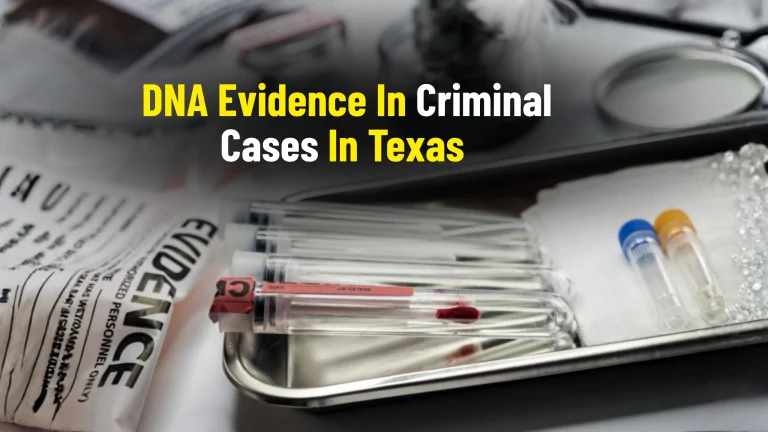
Physical evidence only means something if it’s properly collected, stored, and tracked. The system gets this wrong more often than most people realize. Evidence sits in patrol cars for hours before logging, multiple officers handle items without proper documentation, and crime scene technicians make sloppy mistakes that compromise everything they touch.
Professional defense attorneys scrutinize every step of evidence handling. They request a complete chain of custody documentation and identify every gap or irregularity. If officers can’t account for where evidence was or who had access to it, that evidence becomes unreliable. In drug crimes cases, this is particularly crucial—your attorney needs to prove that the substances allegedly found actually belonged to you and weren’t planted or mixed up with evidence from other cases.
Demanding Accountability for Evidence Mishandling
Your defense team files motions to suppress contaminated evidence:
Challenging DNA evidence that wasn’t properly refrigerated
Questioning fingerprint evidence from scenes where multiple people had access
Exposing gaps in documentation showing who handled evidence
Revealing improper storage that could have degraded samples
Demonstrating that evidence bags were compromised or mislabeled
When prosecutors can’t establish a reliable chain of custody, judges must exclude that evidence. Without it, many cases collapse entirely. You need an attorney who treats evidence documentation like the critical issue it is, not just paperwork to skim over.
Prosecutorial Misconduct and Brady Violations
Prosecutors have enormous power, and some abuse it. They’re supposed to turn over all evidence that might help your defense, but this doesn’t always happen. Exculpatory evidence gets buried, witness statements favorable to you disappear, and information about prosecution witnesses’ credibility issues stays hidden.
Professional defense attorneys file discovery motions demanding everything the prosecution has. They don’t trust prosecutors to voluntarily comply with Brady obligations. When prosecutors withhold evidence, your attorney files motions to compel production or dismiss charges entirely. These violations undermine the entire proceeding’s fairness.
Recognizing and Challenging Misconduct
Defense lawyers stay alert for prosecutorial overreach:
Witness coaching that changes testimony
Threatening witnesses who want to recant false statements
Withholding information about deals made with cooperating witnesses
Hiding evidence about alternative suspects
Making improper statements to grand juries
When your attorney uncovers prosecutorial misconduct, they seek sanctions, evidence suppression, or complete case dismissal. The system depends on prosecutors playing by the rules. When they don’t, you need someone willing to call them out and demand accountability.
False Allegations in Domestic and Assault Cases
Assault charges and domestic violence allegations sometimes stem from false accusations made in anger, revenge, or to gain advantage in custody disputes. The system tends to believe accusers first and ask questions later, especially in family violence situations. Once charges get filed, you’re fighting an uphill battle against assumptions about your guilt.
Skilled defense attorneys investigate the accuser’s motives and credibility. They examine the relationship history, look for prior false allegations, and identify reasons someone might lie. In many assault cases, physical evidence doesn’t support the alleged victim’s story, or medical records contradict their claims about injuries.
Building Your Defense Against False Claims
Your attorney develops evidence showing the accusations lack merit:
Text messages or recordings contradicting the accuser’s version
Witness statements about the accuser’s behavior and truthfulness
Evidence of the accuser’s motive to fabricate allegations
Medical records inconsistent with claimed injuries
Your history of non-violence and good character
Fighting false allegations requires aggressive defense work from day one. The longer false claims go unchallenged, the more entrenched they become. You need an attorney who believes your side and fights to expose the truth, not one who assumes smoke means fire.
Inadequate Representation from Prior Attorneys
Sometimes the system fails you because your first attorney didn’t do their job properly. Maybe they missed filing deadlines, failed to investigate obvious leads, didn’t call crucial witnesses, or pressured you into bad plea deals without explaining alternatives. Incompetent representation is itself a form of system failure.
Experienced attorneys taking over cases immediately spot prior counsel’s mistakes. They file motions for new trials based on ineffective assistance of counsel, seek to withdraw guilty pleas entered without adequate advice, and essentially restart the defense process the way it should have been handled initially.
Correcting the System's Mistakes Requires Expertise
The criminal justice system makes mistakes at every level, from initial arrests through final sentencing. These errors don’t fix themselves—they require skilled attorneys who know where systems fail and how to hold everyone accountable. Whether you’re facing wrongful charges, contaminated evidence, or discrimination, the right defense makes all the difference. L & L Law Group handles cases throughout Dallas-Frisco where the system has failed clients, including assault charges, DWI cases, drug crimes, and juvenile matters. When you need someone who recognizes injustice and fights to correct it, experience matters more than anything else.