Categories
Criminal Defense

Federal Drug Charges in Dallas: Why Quantity = Time in Federal Court

Blog

Federal Drug Charges in Dallas: Why Quantity = Time in Federal Court

Reggie London

Reggie London

Federal drug cases are some of the toughest prosecutions in the United States—especially in the Northern District of Texas, which includes Dallas, Fort Worth, Plano, Irving, Arlington, and the greater DFW Metroplex.

What many people in Dallas don’t realize is that you can be sentenced to years in federal prison for drug quantities you never touched, never saw, and never even knew existed.

This happens because of federal conspiracy laws, relevant conduct, and the United States Sentencing Guidelines (USSG). In Dallas federal court, drug quantity is the driving force behind almost every sentence, even if you played only a small role in a larger operation.

This guide breaks down how federal drug charges work in the DFW area, why quantity matters so much, and what steps you should take if you or a loved one is being investigated.

What Counts as a Federal Drug Charge in Dallas?

A drug case becomes federal—rather than state-level—when it involves one or more of the following:

  • Drug trafficking across state lines

  • Investigations by federal agencies like the DEA, FBI, ATF, DHS, or IRS-CI

  • A large quantity of controlled substances

  • Organized or multi-state distribution operations

  • Multiple defendants tied together under a conspiracy

  • Informants or wiretaps used by federal agents

Common federal charges brought in the Northern District of Texas include:

  • Drug Trafficking – 21 U.S.C. § 841

  • Drug Conspiracy – 21 U.S.C. § 846

  • Possession With Intent to Distribute

  • Maintaining a Drug-Involved Premises

  • Attempt and Aiding & Abetting

These charges often carry severe penalties, including mandatory minimum prison terms.

Why “Quantity = Time” in Dallas Federal Drug Cases

Federal drug sentencing is driven by one core factor:

The total drug quantity involved in the entire conspiracy, not just what was found on you.

That means you can face years or even decades in federal prison if:

✔ The drugs weren’t in your possession
✔ Someone else handled or sold them
✔ You didn’t know the full amount involved
✔ You played a minor role or were just “along for the ride”

This is because federal prosecutors rely heavily on a concept called relevant conduct.

What Is Relevant Conduct? (Dallas Federal Court Explanation)

Under relevant conduct, prosecutors in Dallas can hold you responsible for:

  • Drugs handled by co-defendants

  • Transactions you didn’t witness

  • Quantities you didn’t personally sell

  • Acts that were “reasonably foreseeable”

  • Any part of the “jointly undertaken criminal activity”

Example

If one person in the conspiracy deals 5 kilograms of meth, and another person only handles 200 grams, both defendants may be sentenced using the full 5 kilograms—if prosecutors argue the conspiracy was shared.

This can instantly turn a 1–3 year case into a 10-year mandatory minimum.

Mandatory Minimum Sentences in Federal Drug Cases (Dallas, Texas)

Federal drug laws apply equally across the country, including the Northern District of Texas. The mandatory minimums include:

5-Year Mandatory Minimum

  • 500 grams of cocaine

  • 100 grams of heroin

  • 5 grams of pure meth / 50 grams of mixture

  • 100 kilograms of marijuana

10-Year Mandatory Minimum

  • 5 kilograms of cocaine

  • 1 kilogram of heroin

  • 50 grams of pure meth / 500 grams of mixture

  • 1,000 kilograms of marijuana

These minimums apply even if you have no criminal history and even for minor roles, unless your attorney can secure a reduction like safety valve or substantial assistance.

How a Dallas Federal Criminal Defense Lawyer Can Help

Federal cases in Dallas move quickly and aggressively. Once you’re on the government’s radar, federal agents have likely been investigating for months—sometimes years.

A skilled Dallas federal defense lawyer can:

✔ Challenge the drug quantity the government attributes to you
✔ Argue you were a minor participant
✔ Attack “relevant conduct” enhancements
✔ Work to eliminate firearm or leadership enhancements
✔ Negotiate plea deals that avoid mandatory minimums
✔ Protect you during DEA or FBI questioning
✔ File motions to suppress illegally obtained evidence
✔ Fight wiretaps, informant testimony, and search warrants

Early legal help is the most powerful tool you have.

Drug Charge Lawyers

Contact L & L Law Group Today

If you or a loved one is facing federal drug charges in Dallas or anywhere in the Northern District of Texas, the stakes could not be higher. The federal government has unlimited resources—and they move fast. L & L Law Group provides aggressive, experienced, and strategic federal criminal defense focused on protecting your rights, your future, and your freedom.

Our attorneys understand how drug quantity, conspiracy laws, and federal sentencing guidelines can drastically impact your case. We know the courts, we know the prosecutors, and we know how to fight back.

Don’t wait. Contact L & L Law Group today for a confidential consultation and immediate legal help.
Categories
Criminal Defense

Voyeurism Charges in Texas

Blog

Voyeurism Charges in Texas: 2025 Penalty Changes Explained

Reggie London

Reggie London

Criminal Defense Lawyer for Voyeurism

New developments in Texas law have significant consequences for individuals accused of voyeurism. For residents of Dallas Fort Worth, it’s critical to understand what constitutes voyeurism under state law, how the 2025 amendments changed the penalties, and what to do if you find yourself under investigation. A qualified Dallas Fort Worth criminal defense lawyer for voyeurism can play a central role in protecting your rights and mounting a strong defense.

This article breaks down the law, explains the changes effective in 2025, outlines possible penalties, gives practical advice for those accused, and highlights why early legal representation matters.

What Is Voyeurism Under Texas Law?: Statutory Definition and Legal Elements

Under Texas Penal Code § 21.17, voyeurism is defined as follows:

A person commits an offense if, with the intent to arouse or gratify the sexual desire of the actor, they observe another person, including remotely via electronic means (cameras, recordings, hidden devices, etc.), without that person’s consent, while the person is in a dwelling or structure where they have a reasonable expectation of privacy.

Key elements the prosecution must prove:

  1. Observation (or remote observation) of a person.
  2. The observer’s intent: to arouse or gratify sexual desire.
  3. Lack of consent from the observed person. 
  4. The observed person was in a location with a “reasonable expectation of privacy” (e.g. home, bedroom, private dwelling).

Because voyeurism covers remote observation too, it now applies not only to in‑person peeping but also to hidden cameras, drones, or any electronic surveillance.

What Changed in 2025: Penalty Enhancements & Revised Classifications

under certain circumstances. 

Here’s how the offense is classified as of September 1, 2025: 

  • Default offense: Class A misdemeanor.
  • Enhanced charges: If the offender has prior convictions under § 21.17, if the victim is under 18, or if the offense occurs on premises of a post‑secondary educational institution, charges may escalate to a state‑jail felony (or higher under some conditions).
  • Felony level (third‑degree felony) when the victim was under 18 and the actor has a prior § 21.17(c)(2) conviction.

These changes reflect the legislature’s effort to address evolving technology — especially remote, electronic surveillance, and to impose stricter consequences when the victim is a minor or when there is a prior history.  Before the 2025 changes, voyeurism defaulted to a lower‑level offense (typically a Class C misdemeanor), with lesser fines and minimal jail exposure under most circumstances.

Understanding the Potential Penalties in 2025 and Beyond

Because of the 2025 revisions, the range of penalties for voyeurism has widened significantly. Here’s a breakdown (post‑amendment):

Because of these changes, what was once a misdemeanor-level offense can — under certain facts, now result in state‑jail or felony charges, bringing serious long-term consequences including potential jail time, criminal record, employment and housing difficulties, and social stigma.

Why the 2025 Amendments Matter to Dallas Fort Worth Residents?

For people living in the Dallas–Fort Worth area, these changes mean:

  • Hidden‑camera recordings, cellphone misuse, or other electronic spying may now carry far more severe penalties than before.
  • Cases involving minors or educational premises are especially risky due to automatic enhancements.
  • First offenses, previously often minor, can carry jail time under the new default classification.
  • Repeat offenses substantially raise the stakes.

Given the broad definitions under § 21.17 and the expanded scope, even mistaken conduct, e.g., capturing someone’s image without realizing privacy expectations, or unintended recordings, can lead to serious charges if the prosecution asserts “intent” and the facts fit the statute. Therefore, anyone accused of voyeurism in 2025 or after must treat the matter with utmost seriousness.

What Charges Qualify Under Voyeurism: Common Scenarios?

Here are some typical situations that may trigger voyeurism charges under the 2025 law:

  • Using a hidden camera, cellphone, or remote‑controlled device to record intimate images or videos of someone in their home without consent.
  • Observing a private dwelling, bedroom, bathroom, or changing area — either in person or via remote electronic means — without consent, for sexual gratification.
  • Sharing or distributing such recordings or images (depending on other applicable laws), especially when the surveillance was done without consent.
  • Repeated “peeping Tom” behavior — prior history plus new incident may lead to felony‑level charge.
  • Cases involving minors, even a first offense may carry an enhanced penalty under the revised statute.

Because the law now includes “electronic means,” many modern activities — drones, security cameras, webcams, hacking- fall within its reach.

The Critical Role of a Dallas Fort Worth Criminal Defense Lawyer for Voyeurism

Given the seriousness of potential penalties, and the complexity and technical nature of voyeurism cases, having an experienced Dallas Fort Worth criminal defense lawyer for voyeurism is essential. Here’s how a lawyer helps:

  • Assess whether the prosecution can prove each element: intent to arouse or gratify sexual desire, lack of consent, reasonable expectation of privacy, and observation (or remote recording). A lawyer examines whether surveillance was lawful, consent was possible, or the privacy expectation was reasonable.
  • Challenge evidence: Many voyeurism cases rely on electronic evidence — cameras, metadata, device logs. Legal representation helps ensure evidence was obtained lawfully, the chain of custody is intact, and defenses like mistake, consent, or lack of illicit intent are raised.
  • Evaluate application of 2025 enhancements: Because the law changed recently, prosecutors may overreach. A defense lawyer can argue against misapplied enhancements, especially in first‑time or borderline cases.
  • Negotiate favorable outcomes: In certain cases, especially first‑time offenses or where facts are ambiguous, a lawyer may negotiate a plea to lesser charges, probation, or deferred adjudication, avoiding harsh jail sentences or felony records.
  • Protect constitutional and procedural rights: From search and seizure to due process, a lawyer ensures your rights are defended throughout investigation, arrest, trial, and sentencing.
  • Mitigate long-term consequences: Avoiding conviction, or minimizing severity, matters for employment, housing, family, and future civil liberties. A lawyer’s strategic defense can preserve future opportunities.

In short: voyeurism charges in 2025 carry far greater risk than earlier, and only careful, skilled legal defense can help counter them.

What to Do Immediately If Accused: Critical Steps for Dallas Fort Worth Residents?

Being accused of voyeurism under § 21.17 is serious, especially with the 2025 penalties. Your actions in the first hours and days can greatly influence your defense. Take the following steps immediately:

  1. Remain silent and request a lawyer: Never answer questions from police, friends, or online contacts without legal counsel. Statements can be used to prove intent or lack of consent.
  2. Preserve all evidence: Save messages, recordings, metadata, timestamps, device logs, and screenshots. Document context: when, where, and how the incident occurred.
  3. Stop any related activity: Do not post online, respond to allegations, or try to delete or alter recordings.
  4. Contact a qualified Dallas Fort Worth criminal defense lawyer for voyeurism right away: Local legal guidance ensures proper handling of new 2025 amendments and court procedures.
  5. Allow your lawyer to assess the statute: A defense attorney can evaluate whether the prosecution can prove every element, potentially leading to reduced or dismissed charges.
  6. Avoid contacting victims or witnesses directly: Communication should go through your attorney to prevent claims of harassment or tampering.
  7. Organize and document everything: Maintain a detailed log of events, interactions, and evidence. Accurate documentation supports your defense strategy.

Prompt and disciplined action at this stage preserves your options and sets the foundation for a strong defense.

Criminal Defense Lawyer for Voyeurism

Why Retaining a Skilled Lawyer Shapes Your Defense?

Once a Dallas Fort Worth criminal defense lawyer for voyeurism is retained, their role shifts from immediate guidance to strategic defense. A lawyer’s work includes:

  • Evaluating all statutory elements: Determining if intent, consent, and privacy expectations are legally satisfied.
  • Challenging prosecution evidence: Ensuring electronic evidence is admissible and properly obtained, including metadata, recordings, and device logs.
  • Countering over‑charging or misapplied enhancements: 2025 law changes may lead to misclassification or excessive charges; a lawyer can challenge these errors.
  • Negotiating outcomes: In first-time or borderline cases, a lawyer may secure reduced charges, plea bargains, or probation.
  • Protecting constitutional rights: From unlawful searches to procedural violations, legal counsel safeguards your due process.
  • Minimizing long-term impact: Avoiding or reducing convictions helps protect employment, housing, and future opportunities.

Ultimately, what determines the result isn’t just the facts of the case; it’s how effectively a lawyer can assess, challenge, and present them in court. Early and strategic representation is key to achieving the best possible outcome.

Conclusion: When the Stakes Are High, Local Representation Matters

Voyeurism charges under the revised Texas statute involve serious risks. The 2025 changes: broader scope, elevated baseline penalties, stricter enhancements, reflect the legislature’s intent to treat such offenses severely. For any individual in Dallas Fort Worth facing allegations of voyeurism, acknowledging the gravity of the situation and responding promptly with legal guidance is crucial.

If you are accused, you need a defense tailored to local laws, case history, and the specific facts. That’s where a Dallas Fort Worth criminal defense lawyer for voyeurism makes a difference. At L & L Law Group, attorneys serve clients across Dallas Fort Worth facing charges. From initial consultation to trial or plea negotiations, the firm is equipped to aggressively defend your rights, challenge evidence, and seek the best outcome.

Frequently Asked Questions

Q1. What exactly qualifies as voyeurism under Texas law?

Voyeurism in Texas (§ 21.17) occurs when someone observes another person without consent in a private space, like a home, bedroom, or changing area, with the intent to arouse or gratify sexual desire. Observation can be direct or through electronic devices such as cameras or drones. Consent, privacy expectation, and sexual intent are key elements. Violating this statute can carry misdemeanor or felony charges depending on enhancements, prior convictions, or victim age. A Dallas Fort Worth criminal defense lawyer for voyeurism can evaluate whether all elements of the offense are present.

Q2. What are the penalties for voyeurism in 2025?

The 2025 amendments increased penalties for voyeurism. A first-time offense may be a Class A misdemeanor with up to 1 year in jail and fines. Enhanced circumstances — like prior convictions, offenses involving minors, or acts on post-secondary campuses — may elevate charges to state-jail or third-degree felonies. Penalties include longer jail terms, higher fines, and long-term consequences such as criminal records impacting employment and housing. Early intervention by a Dallas Fort Worth criminal defense lawyer for voyeurism is crucial to potentially reduce charges or secure alternative resolutions.

Q3. Does it matter if the observation was accidental?

Yes, intent is critical. The law requires that the actor intended to arouse or gratify sexual desire. Accidental recordings or inadvertent observations may not meet the statutory threshold. However, other factors — such as location, privacy expectation, and repeated conduct — can complicate matters. Proper documentation and a thorough review by a Dallas Fort Worth criminal defense lawyer for voyeurism help determine whether the evidence truly establishes criminal intent, which can form the basis for dismissal or reduced charges.

Q4. Are minors involved in voyeurism cases treated differently?

Yes. If the victim is under 18, the offense can be elevated to a state-jail or higher felony, even for first-time offenses. Prior convictions or repeated behavior further increase the severity of charges. Legal consequences are more serious, and prosecutors often pursue maximum penalties in such cases. Consulting a Dallas Fort Worth criminal defense lawyer for voyeurism immediately is vital to understand potential defenses, challenge evidence, and explore possible reductions or alternative outcomes.

Q5. Can I talk to the victim or witnesses while under investigation?

No. Direct contact with the alleged victim or potential witnesses can be considered intimidation or tampering, worsening your case. All communications should go through your attorney. A Dallas Fort Worth criminal defense lawyer for voyeurism ensures proper protocols are followed, preserving your rights while protecting against claims of interference. This approach also helps maintain a strategic position for plea negotiations or trial, minimizing the risk of additional charges or complications during the legal process.

Categories
Criminal Defense

Texas Illegal Doxxing Law

Blog

Texas Illegal Doxxing Law: What Dallas Fort Worth Residents Should Know (2025 Update)?

Reggie London

Reggie London

Texas Illegal Doxxing Law

In recent years, online harassment and “doxxing”, the malicious publication of private contact information, have become serious concerns. Recognizing this problem, the Texas Legislature enacted a new law: Texas Penal Code § 42.074. As of now, residents of the Dallas Fort Worth area must understand what conduct counts as illegal, what the law prohibits, and what happens if someone is accused. If you face charges under this statute, an experienced Dallas Fort Worth criminal defense lawyer for doxxing can play a vital role in protecting your rights.

This article explores the law, explains its scope, outlines potential penalties, shares actionable advice for those accused or concerned, and shows why legal representation matters.

What the Law Covers: What is “Doxxing” Under Texas § 42.074?

What the statute prohibits?

Under § 42.074, a person commits an offense if they post on a publicly accessible website or, after 2025 amendments, disclose through electronic communication another person’s residence address or telephone number with the intent to cause harm or a threat of harm to that person or a member of their family or household.

In simple terms, sharing someone’s home address or phone number online or via digital means like social media, email, or messaging apps to cause harm constitutes a criminal offense under Texas law.

What counts beyond publicizing contact info?

Importantly, the law targets contact information — address and phone number. It does not criminalize all forms of “doxxing” or online disclosure. For example, sharing public background information, photos, or other personal details doesn’t automatically trigger § 42.074, though those acts may fall under other statutes (harassment, stalking, threat, etc.) depending on the context. 

The statute further distinguishes between ordinary violations and those that result in bodily injury. If the disclosure results in bodily injury to the targeted person or a family/household member, the offense escalates. 

Who is covered — and exceptions?

The law applies broadly to private individuals subject to malicious disclosure. However, there is an exception for public servants: if a public servant discloses such information as part of their official duties and required by or in accordance with state or federal law, § 42.074 does not apply. 

Also, if the conduct overlaps with certain retaliation or harassment laws — specifically Texas Penal Code § 36.06 (Obstruction or Retaliation) — the offender may be prosecuted under one statute or the other, but not both for the same act.

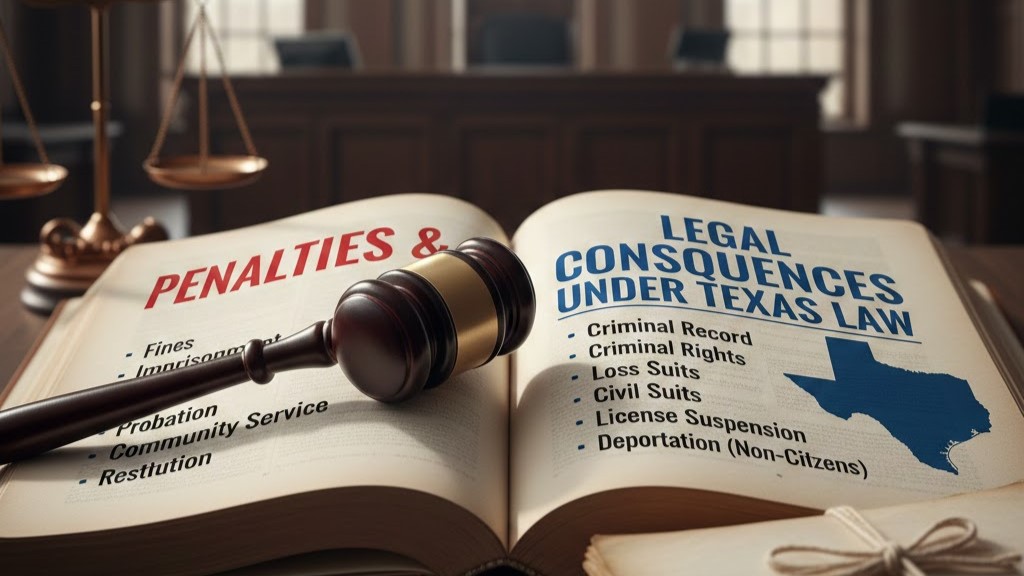
Penalties & Legal Consequences Under Texas Law

Because Texas treats unlawful disclosure of address/phone number as a misdemeanor, the consequences vary depending on the harm caused. Here’s a breakdown:

Offense Classification Potential Penalties
Posting or electronically disclosing address/phone with harmful intent
Class B misdemeanor
Up to 6 months jail; possible fine (e.g. ~$2,000); probation or community supervision possible
Disclosure leading to bodily injury of the victim or a household/family member
Class A misdemeanor
More severe penalties (higher fines, potentially longer jail); enhanced consequences under statute

Beyond criminal penalties, a conviction can have lasting consequences: criminal record, difficulty with employment, housing, social stigma, travel restrictions — especially if the injury enhancement applies.

Because the law is relatively new (effective since September 1, 2023) and modernized in 2025 to cover electronic communications, many cases may involve complex facts: timing, intent, medium, prior consent, and context.

Dallas Fort Worth criminal defense lawyer for doxxing

Why Does This Law Matters for Dallas Fort Worth Residents — Practical Scenarios & Risks?

For residents of Dallas–Fort Worth, this law has real-world implications. Here are common scenarios where § 42.074 may apply:

  • Posting a rival’s home address on social media during an argument or public dispute
  • Sharing a private individual’s phone number in an online forum to harass or intimidate
  • Publishing or sending via message a friend or partner’s contact info after a breakup or dispute
  • Retaliation against witnesses, employees, ex-spouses, or acquaintances by making private contact info public
  • “Swatting” attempts, when publicizing address leads to false threats or police calls

Even if no physical harm occurs, the mere act of publicizing contact information can trigger prosecution under the statute. If injury results,  physical harm, threats turned violent, the stakes rise. Given that the law now covers not only website posts but “electronic communication” (messages, emails, social media DMs), its reach is broader than earlier.

Because of these risks, Dallas Fort Worth residents must take any such disclosure seriously. Not every online fight or personal dispute is harmless when addresses or phone numbers get involved — the law treats that as potential criminal conduct.

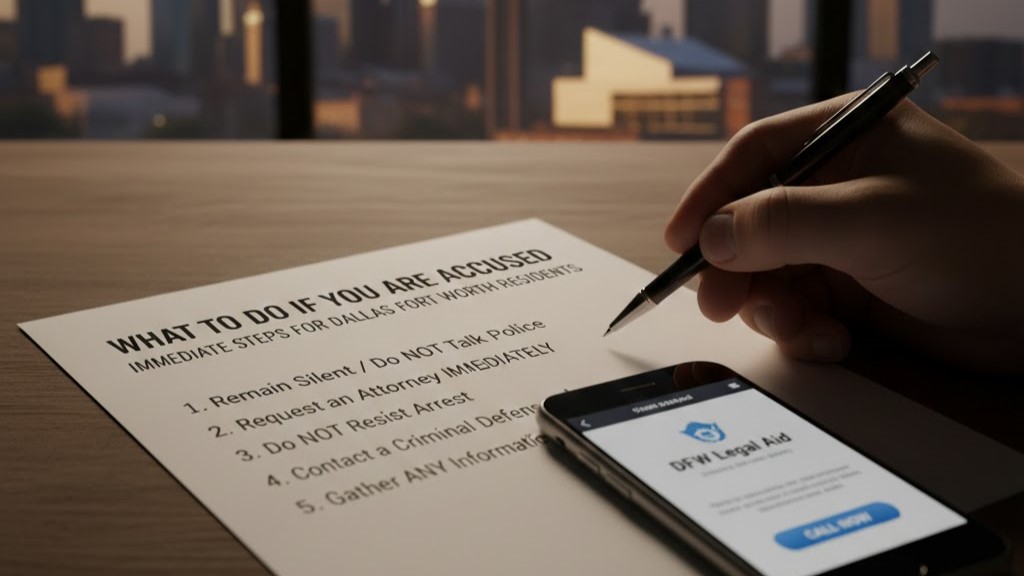
What to Do If You Are Accused — Immediate Steps for Dallas Fort Worth Residents?

Facing allegations under Texas Penal Code § 42.074 or related statutes can be stressful and potentially life-altering. How you respond in the immediate aftermath often plays a critical role in the outcome of your case. Take these steps to protect your rights and strengthen your defense:

1. Do Not Admit or Confess Anything

Any statements you make — whether to law enforcement, friends, family, or even online — can be used against you. Admissions, casual comments, or explanations may be interpreted as evidence of harmful intent. Remain silent and request legal counsel before answering questions or signing documents. A Dallas Fort Worth criminal defense lawyer for doxxing can guide you on exactly what you should and should not say, helping prevent unintentional self-incrimination.

2. Preserve All Relevant Evidence

Digital evidence is often central to doxxing cases. Save every piece of information that could support your defense: screenshots of posts or messages, forum activity, emails, timestamps, metadata, deleted messages, and chat logs. Document the context of each communication — why it was shared, whether consent was given, if the information was already publicly available, and any attempts you made to retract or remove the information. Proper documentation helps your lawyer build a clear narrative and challenge prosecutorial claims of intent or malice.

3. Avoid Further Online Activity or Public Statements

Do not post online, respond to comments, or engage with the alleged victim. Attempts to justify, explain, or defend your actions on social media can inadvertently strengthen the prosecution’s case, demonstrating intent to harass or intimidate. Let your attorney handle all communications and public interactions.

Dallas Fort Worth criminal defense lawyer for doxxing

4. Seek Legal Representation Immediately

Early involvement of a Dallas Fort Worth criminal defense lawyer for doxxing is critical. The law is new, and prosecutors may pursue charges aggressively. A skilled lawyer can:

  • Analyze whether the statute truly applies to your conduct.
  • Identify procedural or evidentiary issues that may favor your defense.
  • Negotiate early resolutions or alternative outcomes.
    Prompt representation can influence everything from investigative interviews to plea negotiations and trial strategy.

5. Evaluate Whether the Statute Applies

Not every disclosure constitutes illegal doxxing. Your attorney will carefully examine:

  • Whether the information posted qualifies as a “residence address or telephone number.”
  • Whether the disclosure was made with harmful intent or threat of harm.
  • Whether the information was already public or obtained legally.
    Challenging the applicability of the statute can sometimes result in charges being reduced or dismissed entirely.

6. Be Cautious with Witnesses or Third Parties

Do not attempt to contact the alleged victim, witnesses, or anyone else connected to the case on your own. Even well-intentioned communication can be misinterpreted or used against you. All interactions should go through your attorney, who can manage witness communication and gather supporting statements in a legally appropriate manner.

7. Take Prompt, Strategic Action

Time is a critical factor. Early, deliberate steps — preserving evidence, avoiding incriminating actions, and securing competent legal counsel — can significantly impact the outcome. With guidance from a qualified Dallas Fort Worth criminal defense lawyer for doxxing, you can explore options such as challenging intent, negotiating reduced charges, or pursuing alternatives like deferred adjudication. Acting quickly ensures your rights are protected and maximizes your chances for the most favorable outcome possible.

Why a Skilled Dallas Fort Worth Criminal Defense Lawyer for Doxxing Matters?

Because § 42.074 is newly enacted and somewhat technical, defense often depends on subtle, fact-based arguments. A skilled Dallas Fort Worth criminal defense lawyer for doxxing matters in several ways:

  • Scrutinizing “intent”: Prosecutors must prove harmful intent — not just that you posted information, but that you meant to cause harm or a threat. A defense lawyer can challenge assumptions about intent, show legitimate reasons, or demonstrate a lack of malice.
  • Challenging applicability: Maybe the posted information was already publicly available, or the disclosure doesn’t meet the definition under the statute. A lawyer can argue that the law doesn’t apply in that situation.
  • Examining statutory compliance: The statute contains exceptions (for public servants acting within duties) and cross-overs with other laws (e.g., retaliation statutes) — sometimes prosecutors choose improper charges. A lawyer identifies these issues.
  • Protecting rights and procedural safeguards: From search and seizure to digital‑evidence handling, a lawyer ensures that evidence was handled lawfully, that rights were not violated, and that defenses like lack of consent or misunderstanding are raised.
  • Negotiating early resolution: Misdemeanor doxxing charges may be eligible for plea deals, deferred adjudication, or probation depending on circumstances. A lawyer can negotiate favorable outcomes that limit jail time and long-term consequences.
  • Mitigating collateral consequences: A conviction may affect employment, housing, record, and social standing. A lawyer works to minimize damage through plea bargains, record sealing if possible, or expungement when available.
  • Local court familiarity: Familiarity with Dallas Fort Worth‑area court procedures, prosecutors, and local law‑enforcement practices helps tailor defense effectively.

Given the relative novelty of the statute, many judges and prosecutors are still defining how to apply it,  meaning early, dedicated legal representation can shape outcomes significantly.

Conclusion

The enactment of Texas Penal Code § 42.074 shows how seriously the state treats malicious disclosure of personal contact information. For Dallas Fort Worth residents, violating this law can carry misdemeanor charges, potential jail time, fines, and lasting social or professional consequences. Because the law is new and increasingly enforced, navigating a doxxing charge requires careful understanding of the statute, digital evidence, and local court practices.

A dedicated Dallas Fort Worth criminal defense lawyer for doxxing can make a significant difference. They can assess whether the elements of the offense — unlawful disclosure, harmful intent, and victim definition are met, challenge overbroad allegations, negotiate favorable outcomes, and safeguard your rights throughout the legal process.

At L & L Law Group, attorneys serve Dallas Fort Worth residents with personalized criminal defense representation for doxxing and other digital offenses. From initial consultation to trial or plea negotiations, the firm focuses on protecting your rights and mitigating long-term consequences. If you are facing allegations under Texas’s doxxing law, contacting L & L Law Group promptly can help ensure your defense is strong and timely.

Frequently Asked Questions

Q1. Is all “doxxing” illegal under Texas law?

No. The law under § 42.074 covers only the disclosure of a residence address or telephone number with harmful intent. Posting photos, work history, social media profiles, or other personal information may be disturbing — but not automatically criminal under this statute. Other laws (harassment, stalking, threat) may still apply depending on the context. 

Q2. What counts as “intent to cause harm or threat of harm”?

Intent requires that the person posting or disclosing the contact information did so with the purpose to threaten, harass, intimidate, or cause harm to the person or their family/household. If the disclosure was accidental, without a harmful purpose, or for legitimate reasons, that may be a valid defense. A Dallas Fort Worth criminal defense lawyer will carefully examine the facts, context, and communications to challenge assertions of harmful intent.

Q3. Can doxxing charges lead to jail time or just fines?

Yes, under § 42.074, a first‑time offense is a Class B misdemeanor, which can result in up to 6 months in jail, or a fine (often up to around $2,000), or probation/community service depending on circumstances and court discretion. If the doxxing leads to bodily injury, the offense becomes a Class A misdemeanor, which carries more severe penalties.

Q4. Does the law apply if the address was already available publicly (like in a public record)?

Not necessarily. Even if the information is publicly available, the law focuses on disclosure with the intent to cause harm or a threat. Defense often involves showing a lack of harmful intent or that disclosure did not meet statutory requirements. A qualified lawyer will assess whether the public availability of information or other context undermines the charge.

Q5. If someone posted my address, but I don’t know who, what should I do?

You should preserve all evidence: take screenshots, note URLs, timestamps, and any related messages or comments. Report to law enforcement if you feel threatened. Then contact a Dallas Fort Worth criminal defense lawyer for doxxing, even if you are not the person who posted. A lawyer can advise on legal options, help with restraining orders, and protect your safety and legal rights.

Section Title

Legal Defense Strategies For Grooming Allegations In Texas

Grooming allegations in Texas carry serious legal weight. These cases move fast. They also involve...

What To Know When Facing Continuous Sexual Abuse Charges In Texas?

Continuous sexual abuse charges in Texas are taken very seriously under state law. In fact, these...

Drug Trafficking Charges In Texas: Legal Risks And Defense Strategies

Drug trafficking charges in Texas cases place you on the front line of federal and state drug...

Penalties And Legal Defense Strategies For Texas Federal RICO Charges

Facing federal RICO charges feels like a nightmare. Although Congress created these laws to target...

What to Do If Facing Embezzlement Charges in Texas?

Facing embezzlement charges in Texas is a serious and often life-altering situation. These cases...

Simplifying Data Breach Liability Law And Your Legal Risks

In the current digital landscape, data breach liability law makes it clear that a breach is no...

What Impacts The Role Of DNA Evidence In Criminal Cases In Texas?

DNA evidence in criminal cases in Texas carries immense weight with modern juries, often viewed as...

Possession Of Prohibited Weapons In Texas: What You Need To Know?

Possession of prohibited weapons in Texas is taken very seriously under state law, even though Texas...

Tampering With Evidence Texas: Hidden Felony Risks And Defense Strategies

Facing accusations of tampering with evidence Texas can be overwhelming, especially when the...
Categories
Criminal Defense

Aggravated Assault in Texas

Blog

Aggravated Assault in Texas: What Dallas Fort Worth Defendants Must Know?

Reggie London

Reggie London

Aggravated Assault in Texas

When someone is charged with aggravated assault in Texas, the consequences are serious. Under Texas Penal Code § 22.02, the crime is treated as a felony and can lead to long prison sentences and heavy fines. A defendant in the Dallas Fort Worth area must understand exactly what constitutes aggravated assault, what factors elevate the charges, and why having an experienced aggravated assault defense attorney can make a critical difference. This article explains the law, penalties, common circumstances, and how strong legal representation matters.

What is Aggravated Assault under Texas Law?

The basic assault laws in Texas are set out in Texas Penal Code § 22.01. But what elevates a simple assault to an aggravated assault is defined in § 22.02. 

Under § 22.02, a person commits aggravated assault if, while committing an assault, one of the following occurs:

  • They cause serious bodily injury to another person (including spouse).
  • They use or exhibit a deadly weapon during the assault.

In short, the crime becomes aggravated not just because of intent to assault, but because of severity; either through the nature of injury inflicted or the presence of a dangerous weapon. 

Because of the serious nature of aggravated assault, the law treats it as a felony rather than a misdemeanor.

When Aggravated Assault Becomes a First-Degree Felony?

By default, aggravated assault under § 22.02 is a second-degree felony. 

But certain aggravating circumstances can elevate the crime to a first-degree felony. Some of those circumstances include: 

  • The assault involved a deadly weapon and caused serious bodily injury to a person with a particular relationship to the defendant (for example, a family member, spouse, dating partner, household member) under relevant Family Code provisions. 
  • The assaulted person is a protected individual under the law, such as a public servant, security officer, witness, or similar, when the assault was committed in the course of their duties or because of their status. 
  • In some cases, if the assault causes particularly severe injuries (for example, traumatic brain or spinal injury leading to irreversible paralysis or a persistent vegetative state), enhancements may apply.

These enhancements reflect the legislature’s intent to punish more severely when the victim belongs to a protected class or the harm is especially severe.

Penalties: What Defendants Face?

Here is how the criminal justice system generally treats aggravated assault convictions under Texas law:

Classification Prison Term Fine Typical Application
Second-Degree Felony
2 to 20 years
Up to $10,000
Default aggravated assault (serious bodily injury or weapon use)
First-Degree Felony
5 to 99 years or life
Up to $10,000
Aggravated assault with enhancements — e.g., weapon + serious injury + protected victim or family/dating relationship

Beyond the raw numbers for prison and fines, a conviction carries collateral consequences: loss of certain civil rights, difficulties with employment, professional licenses, immigration implications (for non-citizens), and lifelong stigma. 

Given these stakes, it is not just about fighting charges; it’s about protecting one’s future.

Common Scenarios That Lead to Aggravated Assault Charges

Aggravated assault charges in Dallas Fort Worth(or anywhere in Texas) can arise from a variety of circumstances. Some common scenarios include:

  • A bar fight where someone strikes another person hard enough to cause serious injury. If the injury is serious, the offense can be upgraded from simple assault to aggravated assault.
  • Use of a firearm, knife, or other item perceived as a deadly weapon during a fight, even if no serious bodily injury occurred, because weapon use alone meets the statute.
  • Domestic disputes, for example, between spouses, dating partners, or family members, where a weapon is used or serious injury results. Because of the relationship, prosecutors may seek first-degree felony charges.
  • Assault on protected individuals, including law enforcement officers, security officers, certain public servants, or other individuals protected by law, especially if the assault occurs while they are performing official duties.
  • Cases involving particularly severe injuries, traumatic brain injury, spine injury, or other catastrophic harm may lead to enhanced charges and harsher sentencing.

Because of the variety of potential underlying circumstances, no two aggravated assault cases are exactly alike.

Why Does Having an Aggravated Assault Defense Attorney Matters?

Facing aggravated assault charges is far from the same as facing a minor misdemeanor. Given felony-level exposure: years in prison, heavy fines, and lifelong consequences, defendants benefit greatly from experienced legal representation. Here’s why an aggravated assault defense attorney is crucial:

  • Legal complexity: The difference between a misdemeanor assault and felony aggravated assault often hinges on legal definitions like “serious bodily injury” or “deadly weapon.” A defense attorney can scrutinize whether the prosecution truly meets those definitions.
  • Challenging evidence: Weapon classification, intent, seriousness of injury, and context of the confrontation are all subject to legal argument. A defense attorney can challenge whether evidence was proper, whether a weapon qualifies as “deadly,” whether injuries count as “serious,” or whether procedure was followed.
  • Negotiation and plea deals: In many cases, charges can be reduced or negotiated. A defense attorney knows when it makes sense to negotiate and can help secure better outcomes than risking maximum penalties.
  • Protecting rights: From pre-trial procedures to trial strategy, a defense attorney ensures the defendant’s constitutional and procedural rights are protected. For instance, against unlawful searches, improper statements, or overbroad charges.
  • Long-term consequences mitigation: An attorney doesn’t just aim to avoid prison. They also work to minimize collateral consequences: employment issues, civil rights, record sealing where possible, immigration risk, etc.

In the Dallas Fort Worth region, where law enforcement and prosecutors are well-resourced, having a dedicated defense attorney can significantly influence the direction and outcome of a case.

What Dallas Fort Worth Defendants Must Know Immediately After an Arrest?

If you or someone you know in Dallas Fort Worth is arrested for alleged aggravated assault, consider these immediate steps:

  1. Request legal representation — do not speak about the case with the police without an attorney present. Anything you say can be used against you.
  2. Preserve evidence and witness information — names, phone numbers, statements from witnesses, photos of injuries, and medical records.
  3. Document context — location, events leading up to the alleged assault, self-defense claims, and whether use of force may be justified.
  4. Understand the charges — whether the prosecution is charging under basic aggravated assault, or seeking enhancements (deadly weapon, protected victim, domestic relationship, etc.).

Engage an aggravated assault defense attorney early — early involvement can improve chances of a favorable bond, plea negotiation, or dismissal.

Common Misconceptions About Aggravated Assault

Because assault laws are widely known but often misunderstood, many people charged with aggravated assault have misconceptions:

  • “It was just a fight, not a serious injury — so it can’t be aggravated assault.” Not true. Use of a deadly weapon during the fight may convert a simple assault into an aggravated assault, even if the injuries seem minor.
  • “If no one was permanently injured, the charges won’t stick.” Even non-permanent but serious bodily injury (broken bones, deep wounds) can qualify.
  • “A knife or gun is obviously a deadly weapon — no defense possible.” Whether an item is legally a “deadly weapon” depends on how it was used or intended to be used. Defense may challenge that classification under certain facts.
  • “I know the victim — it was domestic; prosecutors will go easy.” Actually, domestic relationships can trigger more severe charges (first-degree felony) under enhancement provisions.

Because of these pitfalls, what looks like a “simple” assault case can escalate. That’s why professional defense matters.

Aggravated Assault

Key Facts at a Glance

  • Aggravated assault under Texas law requires either serious bodily injury or use of a deadly weapon during an assault.
  • Default classification: second-degree felony (2–20 years in prison, up to $10,000 fine).
  • Elevation to first-degree felony possible in enhanced circumstances (deadly weapon + serious injury + protected victim/domicile relationship, etc.), which can bring 5–99 years or life. 
  • “Deadly weapon” can be not only firearms or knives, but anything that can cause death or serious injury, depending on how it is used.
  • Conviction carries consequences beyond prison, including fines, record, civil rights, employment, immigration, and long-term stigma.

How an Aggravated Defense Attorney Makes a Difference?

Here’s what a skilled aggravated assault defense attorney may do for a Dallas Fort Worth defendant:

  • Review police reports, witness statements, and physical evidence for inconsistencies
  • Investigate whether the item alleged to be a “deadly weapon” actually meets legal standards based on its use or intended use
  • Challenge “serious bodily injury” designation, medical records, and expert testimony may show injuries were less severe than described
  • Negotiate with prosecutors when facts are ambiguous, possibly reducing charges or securing alternatives such as a plea to lesser offenses
  • Advocate for the defendant in bond hearings, pre-trial motions, sentencing, and any post-conviction relief

Because each case is fact-specific, a tailored defense strategy rather than a cookie-cutter approach can significantly impact outcomes.

Conclusion

For anyone facing an aggravated assault charge in the Dallas Fort Worth area, understanding the law under Texas Penal Code §22.02 is only the beginning. What ultimately determines the outcome is the strength of your defense, the ability to challenge how evidence was collected, and how the facts are presented in court. Felony charges carry long-term consequences, from prison exposure and fines to the permanent effects a criminal record can have on employment, housing, and family life.

This is why securing the right aggravated assault defense attorney matters. L&L Law Group represents defendants across the Dallas Fort Worth region with the commitment, preparation, and strategic focus these cases demand. We analyze every detail of the charge, address weaknesses in the prosecution’s case, protect your constitutional rights, and work toward the best possible outcome, whether through dismissal, reduction, negotiation, or trial.

If you or a loved one has been arrested or is under investigation for aggravated assault in Texas, contact L&L Law Group as soon as possible. Early legal intervention can make a meaningful difference, and their team is prepared to guide you through every step of the process with clarity and strong advocacy.

Frequently Asked Questions

Q1. What is considered a “deadly weapon” under Texas law for aggravated assault?

Under Texas law, a “deadly weapon” need not be a gun. It can be any item which, based on how it is used or intended to be used, is capable of causing death or serious bodily injury. A weapon’s classification depends on context: the manner of use, intent, and how the item is wielded. In an aggravated assault case, the prosecution must prove the weapon qualifies as “deadly” under those standards. A defense attorney might challenge whether the item truly meets that definition under the law.

Q2. Can a “simple” fight (no gun or knife) result in aggravated assault charges?

Yes, if the fight results in serious bodily injury (e.g., broken bones, deep lacerations, disfigurement), it can be elevated from a misdemeanor assault to aggravated assault under § 22.02(a)(1). The presence of a weapon is not required in that scenario. Courts will examine the nature and severity of the injuries, and a criminal defense attorney may challenge the prosecution’s classification by scrutinizing medical evidence and injury reports.

Q3. What distinguishes a second-degree vs. a first-degree aggravated assault felony in Texas?

Aggravated assault starts as a second-degree felony by default under § 22.02 when serious injury or deadly weapon use is proven. It becomes a first-degree felony when aggravating factors apply. For instance, the victim is a protected individual (public servant, security officer, etc.), or the victim has a protected relationship to the defendant (family, household, dating partner), or the injuries are especially severe (e.g., traumatic brain or spinal injury), or the weapon was used under certain statutory circumstances.

Q4. If I’m arrested for aggravated assault in Dallas Fort Worth, should I speak to the police before contacting a lawyer?

No. Once arrested or detained, you have the right to remain silent. Anything you say can be used by prosecutors. Contacting an experienced aggravated assault defense attorney before giving any statements is crucial. A lawyer can help ensure your rights are protected, evaluate whether law enforcement had probable cause, and advise whether it’s better to stay silent or respond based on the circumstances.

Q5. Can aggravated assault charges be reduced or dismissed with a good defense attorney?

Yes. In many cases. A skilled defense attorney can challenge evidence, question whether a weapon qualifies as “deadly,” dispute the severity of injury, or negotiate with prosecutors. Sometimes that leads to reduced charges (to a simple assault or lesser offense) or even dismissal if the facts are weak, the evidence is flawed, or constitutional/procedural violations occurred. Each case is unique, but strong legal representation significantly improves chances of a favorable outcome.

Section Title

Legal Defense Strategies For Grooming Allegations In Texas

Grooming allegations in Texas carry serious legal weight. These cases move fast. They also involve...

What To Know When Facing Continuous Sexual Abuse Charges In Texas?

Continuous sexual abuse charges in Texas are taken very seriously under state law. In fact, these...

Drug Trafficking Charges In Texas: Legal Risks And Defense Strategies

Drug trafficking charges in Texas cases place you on the front line of federal and state drug...

Penalties And Legal Defense Strategies For Texas Federal RICO Charges

Facing federal RICO charges feels like a nightmare. Although Congress created these laws to target...

What to Do If Facing Embezzlement Charges in Texas?

Facing embezzlement charges in Texas is a serious and often life-altering situation. These cases...

Simplifying Data Breach Liability Law And Your Legal Risks

In the current digital landscape, data breach liability law makes it clear that a breach is no...

What Impacts The Role Of DNA Evidence In Criminal Cases In Texas?

DNA evidence in criminal cases in Texas carries immense weight with modern juries, often viewed as...

Possession Of Prohibited Weapons In Texas: What You Need To Know?

Possession of prohibited weapons in Texas is taken very seriously under state law, even though Texas...

Tampering With Evidence Texas: Hidden Felony Risks And Defense Strategies

Facing accusations of tampering with evidence Texas can be overwhelming, especially when the...