Blog
Ask a Cop This… Watch the Mood Change
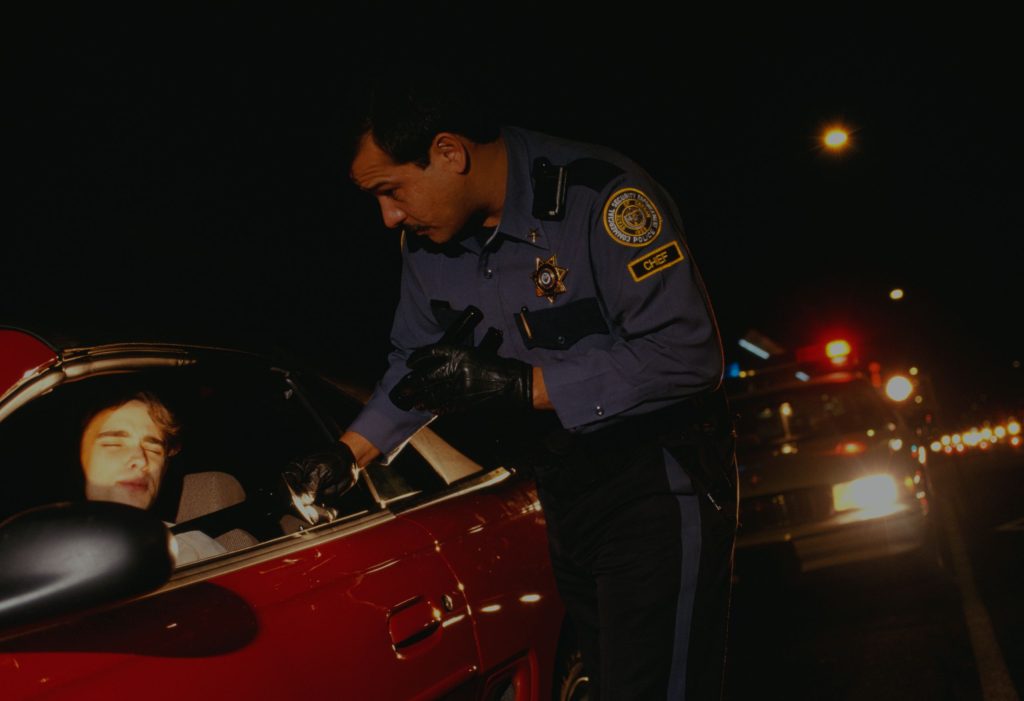
Asking a police officer for their name and badge number is one of the simplest and most powerful things you can do during a police encounter. And yet, for many people, the moment they ask that question, the officer’s entire attitude changes—sometimes instantly.
At L & L Law Group in Dallas, we help citizens understand their rights during police stops, and this specific question is one of the most important.
Why Asking for Identification Matters
When you ask an officer:
“May I have your name and badge number?”
you’re exercising a basic accountability right. This request:
Identifies who you’re speaking with
Protects you during complaints or legal action
Encourages professionalism
Deters misconduct
A confident, well-trained officer should have zero issues providing that information.
Why Does the Mood Suddenly Change?
Because not every officer reacts with professionalism.
Many officers follow the law—but some take the request personally, as if questioning their authority. That shift in attitude isn’t about legality. It’s about control.
Here’s what the reaction usually means:
✔ Calm and cooperative officer → understands policy, respects your rights
❌ Annoyed or defensive officer → feels challenged, not in control
When a cop refuses to identify themselves, they’re not following best practice. They’re protecting their ego—not the law.
Is a Police Officer Legally Required to Identify Themselves?
It depends on the state.
Some states do not have laws requiring officers to state their name or badge number upon request. However:
⭐ Most police departments have internal policies requiring officers to identify themselves.
This includes major law-enforcement agencies in Texas.
So even if the law is unclear, the department rules are not.
If an officer refuses, that’s a red flag.
| Topic Point | Why It Matters | How It Affects the Encounter | Relevance to Dallas / L & L Law Group |
|---|---|---|---|
| Requesting name & badge number | Ensures accountability and documentation | Officer becomes more cautious and professional | Helps build a stronger legal record if rights are violated |
| Mood change after request | Shows how officers react to accountability | Defensive officers may escalate tension | Useful evidence for misconduct cases |
| Officer refusal to identify | May violate department policy | Signals ego, power issues, or lack of transparency | Grounds for complaints or legal action |
| Department policy vs state laws | Policies often require identification even when state law doesn’t | Confusion leads to officer reactions | Texas agencies generally expect identification |
| Recording the encounter | Creates evidence for your protection | Officers may behave more appropriately | Assists L & L Law Group in building a case |
| Patrol car number as backup ID | Provides identification if the officer refuses | Helps track officer identity without confrontation | Critical for investigations and complaints |
| Remaining calm and non-escalatory | Reduces risk of confrontation | Helps maintain control of the situation | Recommended legal best practice |
| Documenting time, place, actions | Strengthens your account of the event | Makes complaints and legal claims stronger | Helps attorneys assess violations quickly |
What You Should Do if an Officer Refuses
If the officer gets defensive or refuses to identify themselves, stay calm and say:
“I’m asking for your name and badge number for my records.”
Do not argue, raise your voice, or escalate.
Instead:
Record the encounter if legally allowed
Note the patrol car number
Note the time, place, and incident
Call L & L Law Group if things escalate or your rights are violated
You can file a complaint or pursue legal action when the officer’s conduct violates policy or constitutional protections.
Why This Matters in Dallas
Dallas residents deal with a variety of police-interaction scenarios:
Traffic stops
Welfare checks
Neighborhood patrol encounters
Calls involving misunderstandings
A simple request for identification should never become a power struggle.
If an officer refuses to follow basic identification policy, you may be dealing with improper conduct, and documenting the encounter is essential.
Call L & L Law Group If Your Rights Are Violated
If a police officer refuses to identify themselves, behaves aggressively, or escalates the encounter, you don’t have to face the situation alone.
Our team at L & L Law Group – Dallas Criminal Defense Attorneys can help you understand your rights, document the misconduct, and take action if needed.