
Blog
What To Do If a Cop Searches Your Car Without Permission
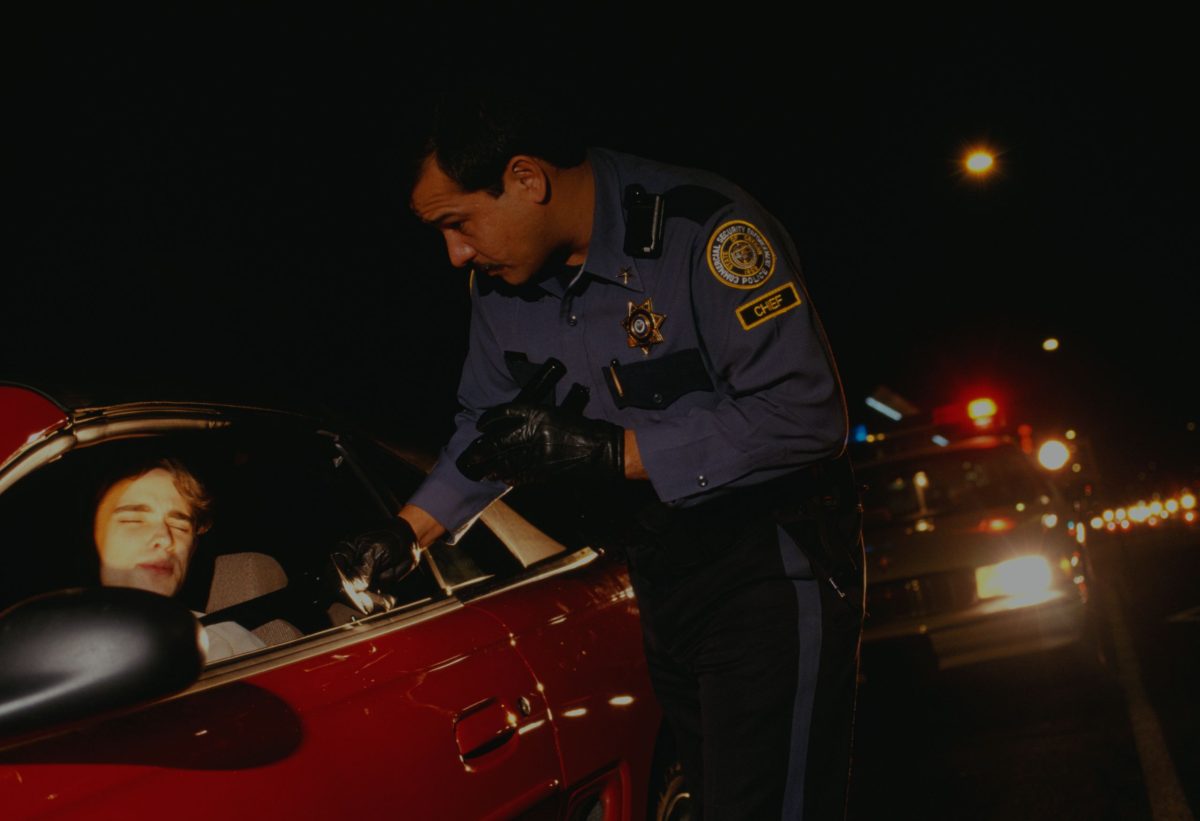
Being pulled over can be stressful enough, but what happens when a police officer searches your car without your permission? Many drivers don’t realize they have rights in this situation, and acting incorrectly can have serious legal consequences. In Texas, knowing how to respond is crucial to protecting yourself and your vehicle.
You Have the Right to Refuse a Search
In the U.S., including Texas, you do not have to consent to a vehicle search unless certain conditions apply. Police can only search your car without consent if they have:
Probable cause — they genuinely believe evidence of a crime is present.
A search warrant issued by a judge.
Exigent circumstances, like believing evidence could be destroyed or someone is in immediate danger.
If none of these situations exist and an officer asks to search your car, you have every right to say “I do not consent.” Politely but firmly asserting your refusal can protect your legal rights.
Steps to Take During a Search Without Permission
Even if you clearly refuse, some officers may still attempt a search. Here’s what you should do to protect yourself:
Stay calm and polite – Avoid arguing or resisting physically.
Verbally refuse – Say something like, “I do not consent to this search.” Repeat if necessary.
Document the incident – Note the officer’s name, badge number, time, location, and any witnesses.
Do not lie or provide false information – Stick to the facts; anything you say can be used in court.
Contact a qualified attorney – If evidence is seized illegally, a lawyer can challenge its use in court.
Why Refusing Matters
Consenting to a search gives police the legal ability to look through your car and seize items. If you refuse and the search is unlawful, any evidence obtained may be excluded in court. This can make a huge difference if you face criminal charges or traffic-related violations.
Preparation is Key
Being proactive helps you stay safe and legally protected during traffic stops:
Know your rights in Texas and the U.S.
Keep your hands visible and stay polite at all times.
Politely refuse any searches without probable cause.
Record or note interactions if it’s safe to do so.
Conclusion
If a cop searches your car without permission, your response can determine whether your rights are protected or violated. Consent matters, and a firm refusal can save you legal trouble down the road. Always remain calm, assert your rights politely, and contact a lawyer if your vehicle is searched illegally. Remember: knowing your rights is the first step to protecting yourself on the road.