Categories
Criminal Defense

5 Signs You Need a Federal Criminal Defense Attorney

Blog

5 Warning Signs You Need a Frisco Federal Criminal Defense Attorney Now

Reggie London

Reggie London

5 Warning Signs You Need a Frisco Federal Criminal Defense Attorney Now

If you’re facing federal charges, hiring a federal criminal defense attorney is critical. Federal charges are more serious than state charges, involving complex legal procedures, mandatory minimum sentences, and severe penalties that can deeply affect your future. Unlike state-level offenses, federal cases are governed by strict federal laws, often leading to harsher consequences. 

In Frisco, federal prosecutions are common, particularly due to the city’s proximity to Texas’s border and federal facilities. Whether the charge involves fraud, drug trafficking, or immigration violations, the stakes are high, and the outcomes are life-altering. 

In this blog, we’ll examine 5 warning signs that suggest immediate legal help is needed to protect your rights and potentially mitigate the consequences of your case.

How Federal Charges Are Different and Why You Can’t Wait?

Federal charges are not the same as state charges, and understanding these differences is essential, especially in Frisco, where federal prosecutions are frequent. Federal law operates under a set of rigorous procedural rules that go beyond what’s typically required in state cases. Federal agencies like the FBI, DEA, or ICE typically handle these cases, resulting in investigations that can span months or even years.

Federal vs. State Criminal Law

  • Complexity and Procedures: Federal cases require more formal investigations and adhere to stricter rules for evidence collection, search and seizure, and due process.
  • Penalties: Federal crimes come with harsher penalties. For example, mandatory minimum sentences often result in longer prison terms.
  • Sentencing Guidelines: Federal sentencing guidelines can impose strict minimum sentences, even for non-violent crimes. Unlike state laws, federal judges often have less flexibility in sentencing.

Why You Can’t Wait: The Urgency of Early Legal Help in Frisco?

Waiting to hire a federal criminal defense attorney can be risky. Early legal counsel allows your attorney to:

  • Investigate charges and gather evidence.
  • Challenge procedural errors that could weaken the case.
  • Develop a defense strategy tailored to federal law.

Delaying legal action could limit your defense options and escalate the situation, potentially leading to severe consequences. Below is a table showing key statistics related to federal prosecutions in Frisco.

Statistic/Measure Data Notes/Source
Federal Cases in Frisco
25% of criminal cases in Frisco
Reflects a high rate of federal involvement in local prosecutions.
Sentencing Differences: Federal vs. State
Federal sentences can be 20% longer
Federal law imposes harsher mandatory minimums and sentencing guidelines.
Federal Charges in Northern District of Texas
55% of all criminal cases
Frisco is part of the Northern District of Texas, which handles many federal cases.
Federal Prosecutions vs. State Prosecutions
72.4% of immigration cases
A significant portion of federal cases involve immigration violations in Frisco.

Sign #1: You’re Under Federal Investigation

A federal investigation is often the first sign that you need a federal criminal defense attorney. Federal investigations can begin long before any arrest or formal charges are made. Federal agencies, such as the FBI, DEA, IRS, and DHS, regularly investigate individuals for federal crimes like fraud, drug trafficking, and immigration violations. These investigations often involve surveillance, subpoenas, and the gathering of extensive evidence, which can later be used against you.

Why This Is a Sign to Hire a Federal Criminal Defense Attorney?

If you’re under investigation, early legal intervention is crucial to protect your rights. Federal agencies can use tools like grand jury subpoenas, search warrants, and wiretaps, and any interaction with law enforcement could unintentionally incriminate you. A federal defense attorney will:

  • Protect against self-incrimination: Offering guidance on what to say and when to remain silent.
  • Challenge procedural errors: Identifying flaws in the investigation that could lead to evidence being excluded.

Sign #2: You’ve Been Formally Charged in Federal Court

Being served a federal arrest warrant or indicted by a federal grand jury means that you are formally charged with a federal crime. This indicates that the investigation has escalated, and you are now facing serious legal consequences.

What Happens When a Federal Grand Jury Indicts You?

An indictment is a formal accusation made by a grand jury that reviews evidence presented by federal prosecutors. If indicted, it means there is probable cause to charge you with a federal crime, and a federal trial will likely follow.

How Do Federal Arrest Warrants Differ from State Warrants?

Federal arrest warrants are issued by federal judges and allow law enforcement to arrest individuals suspected of committing a federal crime. They are often more formal and come with broader jurisdiction across state lines. In comparison, state arrest warrants are issued by state courts and deal with state-level offenses.

Why Immediate Legal Representation Is Crucial?

Once served with a federal arrest warrant or indictment, it’s time to act quickly. A federal criminal defense attorney will:

  • Assess evidence and develop a defense strategy.
  • Prepare for trial and negotiate plea deals if necessary.
  • Challenge illegal actions by law enforcement, such as improper arrests.

Sign #3: You’re Facing Serious Federal Penalties

Federal charges come with severe penalties that can drastically change your life. Drug trafficking, fraud, and white-collar crimes often lead to long prison sentences, high fines, and asset forfeiture.

Examples of Serious Federal Crimes

  • Drug Trafficking: Involves the distribution of illegal drugs. Penalties can include decades in prison and mandatory minimum sentences.
  • Fraud: Crimes like bank fraud and wire fraud can result in 20+ years in prison and substantial financial penalties.
  • White-Collar Crimes: Money laundering, embezzlement, and tax evasion may result in prison time and the forfeiture of assets.

Why You Can’t Wait to Hire a Federal Criminal Defense Attorney?

Given the severity of federal penalties, hiring a defense lawyer early is essential. They can help:

  • Minimize penalties by negotiating plea deals.
  • Challenge charges to reduce prison sentences.
  • Protect assets from forfeiture.

Sign #4: You’re Questioned or Contacted by Federal Agents

Federal agents can contact you for various reasons, such as routine interviews or subpoenas. Even if you’re not charged yet, you should seek legal counsel before speaking to any law enforcement.

Common Situations That Trigger Contact from Federal Agents

Federal agents often initiate contact long before formal charges are filed. These encounters may seem routine or non-threatening, but they can have serious legal consequences if not handled properly.

FBI Interviews

FBI agents frequently request interviews under the guise of being “informal” or simply wanting to “clear things up.” While these conversations may appear casual, anything you say can be documented, recorded, or later used against you in a criminal case. Agents are trained to gather information, test inconsistencies, and elicit statements that may support an investigation. You are not required to speak with federal agents without an attorney present, and doing so can significantly reduce your risk of self-incrimination.

Grand Jury Subpoenas

A grand jury subpoena is a formal demand for documents, records, or testimony related to a federal investigation. Receiving a subpoena does not automatically mean you will be charged, but it does mean you are connected to an active investigation. Subpoenas carry strict deadlines and legal obligations, and improper responses or failure to comply can lead to serious penalties. An attorney can evaluate the scope of the subpoena, protect privileged information, negotiate extensions, or challenge overly broad or improper requests.

Traffic Stops

What begins as a routine traffic stop can quickly escalate into a federal investigation, particularly in cases involving drugs, firearms, immigration issues, or interstate activity. Statements made during traffic stops, consent to searches, or items discovered in your vehicle can attract the attention of federal agencies. Because federal charges often carry severe penalties, it is critical to understand your rights and avoid making statements or consenting to searches without legal guidance.

Why Is Immediate Legal Help Is Crucial?

Having a federal defense lawyer during these interactions ensures that you don’t accidentally incriminate yourself or provide information that can be used against you.

Sign #5: Law Enforcement Has Searched Your Property

A federal search warrant grants law enforcement the authority to search specific areas, such as your home, office, or vehicle, to seize evidence related to a federal investigation. However, just because agents have a search warrant, it does not mean that the search is automatically lawful. If the federal agents fail to follow legal procedures, your Fourth Amendment rights could be violated. The Fourth Amendment protects you from unreasonable searches and seizures, ensuring that searches are only conducted with proper justification and adherence to constitutional rules.

The Significance of Federal Search Warrants

Federal search warrants are issued by federal judges or magistrates after federal agents present probable cause. This means that there must be sufficient evidence or reasonable belief that a crime has been committed and that evidence of the crime is located in the place to be searched. The judge reviewing the warrant application will ensure that the warrant is specific and narrowly tailored to avoid broad, intrusive searches.

However, just because a warrant is issued doesn’t mean the search is always legally valid. For example:

  • The warrant must specify the location to be searched and the items to be seized.
  • Law enforcement must follow proper procedures when executing a search and seizure.

If the search is improperly executed, it could result in the unlawful seizure of evidence, which could negatively affect your case. That’s why having a federal criminal defense attorney is essential to ensure that any evidence seized during the search was obtained legally and that your rights are upheld.

How a Lawyer Challenges Unlawful Searches?

A skilled federal defense attorney can help protect you if the search or seizure of evidence was unlawful. Here’s how a lawyer might challenge improper searches:

  1. Verify the Legality of the Search:
    The lawyer will carefully examine the search warrant itself to ensure that it was validly issued by a judge and based on probable cause. They will review whether the warrant accurately described the location and items to be searched and seized.
  2. Challenge Unlawful or Warrantless Searches
    If federal agents conducted a search without a warrant or outside the parameters of the warrant, a federal defense lawyer can file a motion to suppress the evidence. This legal motion argues that the evidence collected in the unlawful search should be excluded from the case. Without this evidence, the prosecution may struggle to prove their case, potentially leading to the dismissal of charges.
  3. Challenge Violation of Procedures:
    Even with a valid warrant, the manner in which law enforcement conducts searches is also crucial. If they violate procedural rules, for example, entering your home outside of the hours permitted by the warrant, or using excessive force, an attorney can use these violations to undermine the evidence gathered.
Federal Criminal Defense Attorney

In short, a federal criminal defense attorney ensures that all actions taken by law enforcement during a search are legally sound and that any evidence obtained in violation of your rights is challenged effectively. If the search was unlawful, the attorney can help prevent that evidence from being used against you in court.

Conclusion

If you’ve recognized any of these warning signs, acting quickly is critical. Federal charges are complex and come with long-term consequences, making early legal intervention essential. A federal defense attorney in Frisco can guide you through every stage of the process, from investigation to trial. Don’t wait, contact L & L Law Group today to begin building your defense.

Frequently Asked Questions

What are the Warning Signs that I Need to Hire a Federal Criminal Defense Attorney in Frisco?

The warning signs include being under federal investigation, receiving a federal arrest warrant or indictment, facing serious federal penalties, being questioned by federal agents, and having law enforcement search your property. If you notice any of these signs, it’s time to consult a federal defense attorney to protect your rights.

How does a Federal Criminal Defense Attorney Help When I’m Under Federal Investigation?

A federal criminal defense attorney can intervene early to protect your rights, prevent self-incrimination, and guide you through the investigation process. They’ll ensure that law enforcement follows proper procedures and will challenge any unconstitutional actions that could harm your case.

What Does It Mean to Face Federal vs. State Criminal Charges?

Federal criminal charges are more complex, carry longer prison sentences, and involve harsher penalties due to mandatory minimum sentences. Unlike state charges, federal cases are prosecuted by federal agencies and require specialized legal knowledge for defense.

What Should I Do if Federal Agents Contact or Question Me?

If federal agents contact you, do not answer questions without a federal criminal defense attorney present. A lawyer can guide you on how to handle these interactions to protect yourself legally.

What Happens If Federal Law Enforcement Searches My Property?

If federal agents search, it’s essential to have a federal defense attorney evaluate the search warrant. They can ensure that the search was conducted lawfully and challenge any violations of your Fourth Amendment rights. If evidence was obtained unlawfully, your lawyer can file motions to suppress it.

Section Title

Simplifying Data Breach Liability Law And Your Legal Risks

In the current digital landscape, data breach liability law makes it clear that a breach is no...

What Impacts The Role Of DNA Evidence In Criminal Cases In Texas?

DNA evidence in criminal cases in Texas carries immense weight with modern juries, often viewed as...

Possession Of Prohibited Weapons In Texas: What You Need To Know?

Possession of prohibited weapons in Texas is taken very seriously under state law, even though Texas...

Tampering With Evidence Texas: Hidden Felony Risks And Defense Strategies

Facing accusations of tampering with evidence Texas can be overwhelming, especially when the...

Cryptocurrency Fraud Charges in Frisco, Texas: What You Need to Know?

The legal landscape is shifting as the cryptocurrency fraud charges Texas residents face become a...

Wire Fraud Charges In Texas: Risks, Penalties, And Defense Strategies

Facing wire fraud charges in Texas can feel like the world is crashing down around you. The...

Kidnapping Charges In Frisco, Texas: A Defense Lawyer’s Perspective

Facing kidnapping charges in Frisco is one of the most serious legal situations an individual can...

Capital Murder Charges In Frisco, Texas: A Defense Lawyer’s Guide To High-Stakes Cases

Capital murder charges in Texas represent the most serious legal category in the state’s judicial...

How To Get Frisco Family Violence Charges Dismissed Or Dropped?

Frisco Family Violence Charges can feel overwhelming from the moment an arrest happens in North...
Categories
Criminal Defense

Obstruction of Justice Federal Criminal Attorney

Blog

What Is Obstruction of Justice and How a Federal Criminal Attorney Helps?

Reggie London

Reggie London

What Is Obstruction of Justice and How a Federal Criminal Attorney Helps

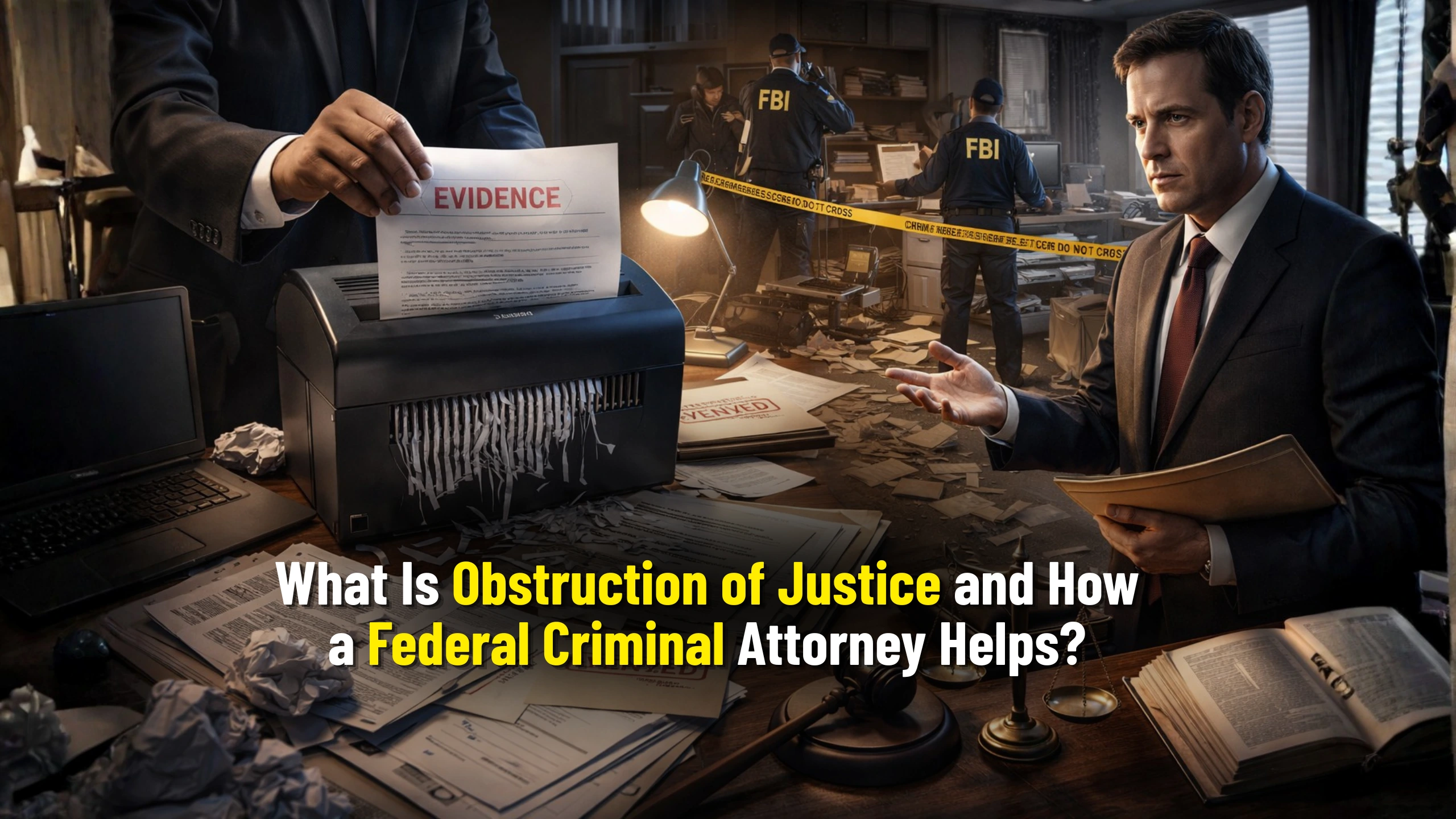
A federal criminal attorney is often the first line of defense when someone is accused of obstruction of justice, especially during federal investigations in the Dallas Fort Worth area. Many individuals and businesses do not realize that everyday actions, emails, phone calls, or record handling can draw federal scrutiny when an investigation is underway. Because federal authorities interpret interference broadly, even well-intended behavior may raise concerns. For Texans facing these allegations, clarity about the law is critical. Knowing how obstruction of justice works and how legal counsel assists can help protect rights, reputations, and futures.

Defining Obstruction of Justice Under Federal Law

Obstruction of justice refers to conduct that interferes with the administration of law. At the federal level, this offense is designed to protect the integrity of investigations, trials, and judicial proceedings.

Federal Statutes That Apply Nationwide

Most obstruction cases fall under Title 18 of the United States Code, which applies equally in Texas and across the country. Common provisions include:

  • 18 U.S.C. §1503, which focuses on interference with judges, jurors, and court officers
  • 18 U.S.C. §1512, addressing witness tampering and interference
  • 18 U.S.C. §1519, which involves the destruction or falsification of records

Federal prosecutors in Dallas Fort Worth frequently rely on these statutes in white-collar and regulatory investigations.

Why Is Obstruction Treated as a Serious Federal Crime?

Federal courts view obstruction as an attack on the justice system itself. Because investigations rely on cooperation, truthful records, and witness availability, interference can undermine entire cases. As a result, obstruction charges are often pursued aggressively, even when the underlying investigation does not lead to other convictions.

How Obstruction Charges Commonly Arise?

Obstruction allegations often develop during broader investigations, rather than as standalone events.

During Federal Investigations

When agencies such as the FBI, IRS, or DEA investigate potential crimes, they issue subpoenas, request interviews, and review records. Any conduct that appears to delay, mislead, or derail these efforts may be examined closely.

During Grand Jury Proceedings

Grand juries play a major role in federal prosecutions in the Northern District of Texas. Attempts to influence testimony or withhold information during this stage frequently result in obstruction claims.

During Ongoing Court Cases

Failure to comply with court orders or attempts to disrupt hearings may also form the basis for obstruction charges.

Examples of Conduct That May Lead to Obstruction Allegations

Obstruction does not always involve dramatic actions. Instead, it often stems from decisions made under pressure.

Communicating With Witnesses

Contacting a witness to suggest what to say, even casually, can be viewed as interference. This includes texts, emails, and indirect messages through others.

Handling Documents and Digital Records

Deleting emails, modifying files, or discarding paperwork during an investigation can trigger allegations under federal law, particularly if the materials are relevant.

Making False or Misleading Statements

Statements made to federal agents do not have to be sworn to support obstruction claims. Inconsistent or incomplete responses can later become central evidence.

Ignoring Subpoenas or Requests

Failure to comply fully and timely with subpoenas may also lead to additional charges

Differences Between Obstruction and Other Related Crimes

Understanding how obstruction differs from similar offenses helps clarify why it is charged separately.

Obstruction vs. Perjury

Perjury requires false statements under oath. Obstruction applies more broadly and includes conduct outside formal testimony.

Obstruction vs. False Statements

False statement charges focus on inaccurate information, while obstruction looks at whether the conduct interfered with justice.

Obstruction vs. Contempt of Court

Contempt often involves violating court rules, whereas obstruction involves broader interference with judicial processes.

Federal Obstruction Penalties in Texas

A federal obstruction of justice conviction carries serious consequences that can affect nearly every aspect of a person’s life. Because these cases are prosecuted in federal court, penalties are often more severe than those imposed for similar state-level offenses. Courts consider not only the act itself but also how it affected an investigation or judicial proceeding, which can significantly influence sentencing outcomes.

Potential Prison Sentences

Depending on the specific statute involved, federal obstruction convictions may carry prison sentences of up to 20 years. Sentencing is guided by federal guidelines that account for factors such as the nature of the interference, whether it involved witnesses or evidence, and the overall impact on a federal case. In Texas federal courts, even actions that delay or complicate an investigation can lead to substantial prison exposure if prosecutors establish intent.

Financial Penalties

Along with imprisonment, significant fines are often part of the sentence. These penalties are particularly common in cases involving financial crimes, corporate investigations, or regulatory matters. For business owners and professionals in Dallas Fort Worth, financial penalties can extend beyond fines to include forfeitures and long-term financial consequences tied to the conviction.

Additional Consequences

Federal obstruction convictions often result in supervised release following incarceration, as well as limitations on employment opportunities. Many individuals face challenges maintaining professional licenses or securing future work, especially in regulated industries. These long-term effects can be just as impactful as the sentence itself.

Why Obstruction Charges Are Often Added to Other Federal Cases?

Federal prosecutors frequently add obstruction charges when they believe a defendant interfered with an ongoing investigation or judicial process. These charges are often used strategically and may significantly alter the course of a federal case.

Sentencing Enhancements

Under federal sentencing guidelines, obstruction-related conduct can increase the recommended sentencing range for other offenses. Even when obstruction is not charged separately, it may still be used to justify harsher penalties. When charged directly, obstruction can substantially increase overall exposure.

Prosecutorial Leverage

Obstruction charges often strengthen the government’s position during plea negotiations. Prosecutors may use these allegations to apply pressure or to encourage cooperation. Because obstruction is viewed as a serious offense, defendants often face limited options without strong legal advocacy.

Federal Criminal Attorney

Independent Liability

One of the most challenging aspects of obstruction charges is that they can stand alone. Even if the underlying investigation weakens or results in no conviction, obstruction charges may still proceed. This makes them particularly dangerous for individuals who underestimate their significance.

The Importance of Early Legal Guidance

Obstruction of justice cases frequently begin long before formal charges are filed. Early legal involvement can play a decisive role in limiting exposure and protecting rights.

Investigations Start Quietly

Federal investigations often begin with subtle signs, such as document requests or interview invitations. These early interactions may appear routine, but they can shape the direction of the entire case. How a person responds at this stage often determines whether obstruction concerns arise.

Statements Create Permanent Records

Federal agents carefully document interviews and communications. Statements that seem harmless at the time may later be portrayed as inconsistent or misleading. Once recorded, these statements can become key evidence in an obstruction case, making early caution essential.

Protecting Constitutional Rights

A federal criminal attorney helps ensure that constitutional protections are upheld during searches, seizures, and interviews. Legal counsel can also prevent overreach and ensure that responses to investigators are appropriate and accurate.

How a Federal Criminal Attorney Assists in Obstruction Cases?

Defending against obstruction charges requires focused legal analysis and experience in federal court. A skilled defense attorney addresses both the legal and practical aspects of these cases.

Reviewing Alleged Conduct

An attorney carefully evaluates whether the conduct in question actually meets the legal definition of obstruction. Not every questionable action qualifies under federal statutes, and close analysis often reveals weaknesses in the government’s claims.

Assessing Intent

Intent is a central element in most obstruction cases. Legal counsel examines whether prosecutors can prove that the accused knowingly and intentionally interfered with a federal proceeding. Without clear evidence of intent, obstruction charges may be difficult to sustain.

Managing Interactions With Authorities

Attorneys often communicate directly with federal investigators and prosecutors on behalf of their clients. This approach reduces the risk of misstatements and ensures that communications remain focused and controlled.

Building a Defense Strategy

A strong defense may involve demonstrating lawful conduct, lack of intent, or the absence of a qualifying federal proceeding. Each strategy is tailored to the specific facts of the case and the legal standards applied in Texas federal courts.

Obstruction of Justice in Dallas Fort Worth Federal Courts

The regional legal environment shapes how cases are handled.

Northern District of Texas Procedures

Dallas Fort Worth cases are typically heard in this district, where federal judges and prosecutors follow established practices.

Common Case Types in the Region

Obstruction allegations often appear in cases involving healthcare fraud, construction contracts, financial services, and energy companies.

Table: Federal Obstruction of Justice Overview

Aspect Relevant Information
Governing Law
Title 18 U.S. Code
Maximum Sentence
Up to 20 years
Common Case Types
Fraud, white-collar, regulatory
Typical Courts
Northern District of Texas
Investigating Agencies
FBI, IRS, DOJ

Defending Against Obstruction Charges

Every case requires a tailored defense.

Challenging Intent

Prosecutors must prove intentional interference, not mistakes or routine actions.

Questioning the Federal Nexus

There must be a clear connection between the conduct and an official federal proceeding.

Reviewing Evidence Handling

Improper searches or vague subpoenas can weaken the prosecution’s case.

Obstruction Risks for Businesses and Executives

Companies face unique exposure during federal investigations.

Record Retention Practices

Routine policies may appear suspicious if misunderstood. Legal review helps clarify intent.

Employee Communications

Uncoordinated responses by employees can create risk. Counsel helps manage these interactions.

Corporate Reputation Concerns

Federal charges often attract public attention, affecting business relationships in Dallas Fort Worth.

Long-Term Consequences of an Obstruction Conviction

The effects extend well beyond court proceedings.

Employment and Licensing Barriers

Federal convictions can limit career opportunities and professional certifications.

Federal Criminal Attorney

Financial and Personal Impact

Legal fees, fines, and reputational damage can affect families and businesses for years.

Choosing the Right Federal Defense Representation

Selecting the right legal representation is especially important in federal obstruction of justice cases. Not all criminal defense attorneys regularly practice in federal court, and federal cases involve unique procedures, timelines, and sentencing guidelines. An attorney who primarily handles state-level matters may not be fully prepared for the demands of a federal prosecution. Because obstruction charges often arise alongside complex investigations, experience in federal defense plays a critical role in how effectively a case is handled from the outset.

Federal Court Experience

Federal courts operate under different rules than Texas state courts, including strict evidentiary standards, detailed procedural requirements, and the use of federal sentencing guidelines. A defense attorney with federal court experience understands how federal prosecutors build cases, how motions are argued, and how judges evaluate evidence and intent. This experience allows for more precise legal strategies and informed decision-making throughout the case.

Regional Insight

Familiarity with Dallas Fort Worth federal courts adds meaningful strategic value. Attorneys who regularly practice in the Northern District of Texas understand local court practices, judicial expectations, and prosecutorial approaches. This regional insight helps shape effective defense strategies and ensures that cases are handled with an awareness of how federal proceedings typically unfold in the area.

Conclusion

Obstruction of justice allegations often arise unexpectedly and carry serious federal consequences. Early legal involvement helps manage interactions with investigators and protects constitutional rights throughout the process. Because these cases frequently accompany larger federal matters, careful strategy and experience are essential. For individuals and businesses in Dallas Fort Worth, informed defense can reduce long-term risks and uncertainty. L & L Law Group provides focused federal criminal defense services for those facing serious charges.

Frequently Asked Questions

What actions are considered obstruction of justice?

Obstruction of justice includes a wide range of actions that interfere with the lawful operation of the judicial system. Under federal law, this may involve attempting to influence or intimidate witnesses, destroying or altering documents, deleting electronic records, providing false or misleading information to federal agents, or failing to comply with subpoenas and court orders. Even actions that seem routine, such as discarding files or contacting someone involved in an investigation, may raise concerns if a federal inquiry is pending or reasonably anticipated. Federal prosecutors often examine intent, timing, and context when determining whether conduct qualifies as obstruction.

Can obstruction be charged without another crime?

Yes, obstruction of justice is a standalone federal offense and does not require proof of another underlying crime. Federal authorities may pursue obstruction charges even if the original investigation does not result in criminal charges or a conviction. This often occurs when prosecutors believe an individual interfered with an investigation, concealed evidence, or attempted to influence testimony. In some cases, obstruction charges carry penalties that are equal to or more severe than those associated with the underlying matter. Because of this, obstruction allegations are taken very seriously in federal court.

Does intent matter in obstruction cases?

Intent is a critical element in most federal obstruction of justice cases. Prosecutors must show that the accused knowingly and intentionally acted to interfere with an investigation, court proceeding, or judicial process. Accidental actions, misunderstandings, or routine business practices may not meet the required legal standard if intent cannot be proven. However, intent is often inferred from surrounding circumstances, such as timing, communications, or patterns of behavior. This is why even informal statements or actions during an investigation can later become significant in a federal obstruction case.

Are obstruction cases common in Dallas Fort Worth?

Obstruction of justice cases arise frequently in the Dallas Fort Worth area, particularly during federal investigations involving business activity, fraud allegations, healthcare billing, financial crimes, and regulatory matters. The region’s strong commercial presence means that federal agencies regularly conduct inquiries that involve document reviews and witness interviews. When investigators believe someone has interfered with these efforts, obstruction charges may follow. Many of these cases are prosecuted in connection with larger federal matters, making early legal guidance especially important for individuals and organizations in North Texas.

Should I talk to federal agents without a lawyer?

It is generally advisable to consult a federal criminal attorney before speaking with federal agents. While investigators may appear informal or cooperative, anything said during an interview can be documented and later used as evidence. Even well-intended answers can be misinterpreted or viewed as inconsistent, which may increase legal exposure. An attorney can help assess the situation, communicate with agents on your behalf, and ensure that your rights are protected. Seeking legal advice early often helps prevent unnecessary complications during a federal investigation.

What courts handle these cases in Texas?

Federal obstruction of justice cases in Texas are handled in the United States District Courts. For individuals and businesses in the Dallas Fort Worth area, most cases are heard in the Northern District of Texas. These courts follow federal rules of procedure and sentencing guidelines, which differ significantly from Texas state courts. Judges in federal court expect strict compliance with procedural requirements, making experienced federal representation essential. Familiarity with local court practices and prosecutors can also play an important role in how these cases are managed.

Section Title

Simplifying Data Breach Liability Law And Your Legal Risks

In the current digital landscape, data breach liability law makes it clear that a breach is no...

What Impacts The Role Of DNA Evidence In Criminal Cases In Texas?

DNA evidence in criminal cases in Texas carries immense weight with modern juries, often viewed as...

Possession Of Prohibited Weapons In Texas: What You Need To Know?

Possession of prohibited weapons in Texas is taken very seriously under state law, even though Texas...

Tampering With Evidence Texas: Hidden Felony Risks And Defense Strategies

Facing accusations of tampering with evidence Texas can be overwhelming, especially when the...

Cryptocurrency Fraud Charges in Frisco, Texas: What You Need to Know?

The legal landscape is shifting as the cryptocurrency fraud charges Texas residents face become a...

Wire Fraud Charges In Texas: Risks, Penalties, And Defense Strategies

Facing wire fraud charges in Texas can feel like the world is crashing down around you. The...

Kidnapping Charges In Frisco, Texas: A Defense Lawyer’s Perspective

Facing kidnapping charges in Frisco is one of the most serious legal situations an individual can...

Capital Murder Charges In Frisco, Texas: A Defense Lawyer’s Guide To High-Stakes Cases

Capital murder charges in Texas represent the most serious legal category in the state’s judicial...

How To Get Frisco Family Violence Charges Dismissed Or Dropped?

Frisco Family Violence Charges can feel overwhelming from the moment an arrest happens in North...
Categories
Criminal Defense

How a Federal Defense Lawyer Can Help

Blog

The Consequences of Illegal Reentry and How a Federal Defense Lawyer Can Help?

Reggie London

Reggie London

The Consequences of Illegal Reentry

If you’re facing charges for illegal reentry after deportation, a federal defense lawyer can guide you through the legal complexities. Under federal law (8 U.S.C. § 1326), illegal reentry refers to returning to the U.S. after being deported without permission. This issue is critical not only nationwide but especially in Frisco, where federal immigration cases are frequently prosecuted. 

The penalties for illegal reentry can be severe, including potential jail time, deportation, and long-lasting effects on your immigration status. In this blog, we will delve into the consequences of illegal reentry, effective defense strategies, and the long-term impacts this charge can have on your life.

What Is Illegal Reentry After Deportation?

Illegal reentry after deportation is a serious federal offense under 8 U.S.C. § 1326. This happens when someone comes back to the U.S. or is discovered in the country after being deported, without legal authorization.

This offense is prosecuted at the federal level, making it a far more serious charge than many might expect. For individuals facing such charges, understanding the nuances of this offense is essential to navigating the legal process.

Federal Statute Reference: 8 U.S.C. § 1326

Being deported once and coming back to the U.S. without permission can lead to serious felony charges under federal law. This applies whether the person crosses the border again, enters through a port of entry, overstays a visa, or is found within the U.S. without authorization. Local federal prosecutors in Frisco, part of the Northern District of Texas, actively pursue these cases, ensuring strict enforcement of U.S. immigration laws.

Difference Between Illegal Entry and Illegal Reentry

Although illegal entry and illegal reentry sound similar, they are distinct offenses:

  • Illegal Entry (8 U.S.C. § 1325): Typically a misdemeanor, this offense applies to individuals entering the U.S. unlawfully for the first time. The penalty could include up to six months in jail for first-time offenders.
  • Illegal Reentry (8 U.S.C. § 1326): A felony that applies to individuals who have been deported and return without permission. The penalties can be severe, including up to 2 years in prison for a first offense, with longer sentences if the individual has prior convictions or a history of reentry violations.

Where federal immigration enforcement is prominent due to proximity to U.S. border zones, illegal reentry is treated with great seriousness, leading to significant legal consequences.

Elements Prosecutors Must Prove

To secure a conviction for illegal reentry, federal prosecutors must prove the following key elements:

  1. Prior Deportation or Removal: The defendant was previously deported or removed from the U.S.
  2. Unauthorized Reentry or Presence: The defendant reentered or was found in the U.S. without authorization after being deported.

Federal prosecutors use records from Immigration and Customs Enforcement (ICE), Border Patrol, and other federal agencies to establish that the individual has been previously deported and unlawfully reentered.

How This Federal Offense Applies in Practice in Frisco?

Illegal reentry charges can arise in several everyday situations. For example, during a routine traffic stop, law enforcement may conduct a background check and discover that you have been deported. If you’re found to have reentered the U.S. without permission, you could face federal prosecution under 8 U.S.C. § 1326.

Additionally, if you’re encountered at a port of entry or during a visit to a federal facility, your immigration status will be checked, and any record of prior deportation or removal could lead to illegal reentry charges.

Federal Illegal Reentry: The Legal Consequences

If you’re facing illegal reentry charges in Texas, understanding the full scope of the legal consequences is essential. Beyond potential incarceration, this federal offense can carry severe immigration penalties and significantly affect your family, employment, and community ties.

Criminal Penalties: Statutory Maximums and Sentence Ranges

Under 8 U.S.C. § 1326, the criminal penalties for illegal reentry vary depending on the specifics of the case. For a first offense, the maximum penalty can be up to 2 years in federal prison. However, if the individual has prior criminal convictions or a history of reentry violations, the penalties become much harsher. In such cases, the sentences can range from 10 to 20 years depending on the criminal history and prior deportation circumstances.

Immigration Consequences: Mandatory Deportation, Permanent Bars, and Loss of Future Legal Status

In addition to criminal penalties, illegal reentry carries significant immigration consequences:

  • Mandatory Deportation: A conviction for illegal reentry almost always leads to deportation.
  • Permanent Reentry Bars: Individuals convicted of illegal reentry face permanent bars to reentry into the U.S., preventing them from returning legally in the future.
  • Loss of Future Legal Status: A conviction can prevent you from applying for a visa, green card, or any future immigration status.

For Frisco residents, where family and community ties are often strong, these consequences can be life-altering. Consulting with a federal defense lawyer can help you assess your legal options and explore whether any waivers or exceptions apply.

Collateral Effects: Impact on Family, Employment, and Community Ties in Frisco

The consequences of illegal reentry extend far beyond the legal system. They affect your family, employment, and community ties, where many people have close-knit family connections.

  • Family Separation: Deportation or lengthy prison sentences can separate you from your loved ones, causing emotional and financial hardship.
  • Employment Barriers: A criminal record for illegal reentry can severely limit your ability to find employment, especially in jobs requiring background checks.

Community Disruption: Facing deportation and being labeled a felon can lead to social isolation and stigma, particularly in Frisco, where community ties are strong.

Case Example: The Real-World Impact in Frisco

Consider the hypothetical case of Carlos, a Frisco resident who was deported years ago but returned to the U.S. to reunite with his family. After being stopped during a routine traffic stop, law enforcement discovered his prior deportation and charged him with illegal reentry under 8 U.S.C. § 1326.

Carlos faced up to 10 years in federal prison due to his criminal history. His family, left without their primary provider, experienced emotional and financial strain. Furthermore, the permanent reentry bar meant Carlos had no chance of ever returning to the U.S. legally.

Carlos’s case underscores the profound impact of illegal reentry charges, which can affect not just the individual but families and entire communities in Frisco.

National Illegal Reentry Trends: Key Statistics

Understanding the national trends in illegal reentry cases is important for Frisco residents facing similar charges. The following statistics shed light on the prevalence and patterns in these federal prosecutions:

Statistic / Measure Data Notes / Source
% of Immigration Cases that Are Illegal Reentry
72.4% of immigration cases
Illegal reentry is the most common type of immigration prosecution.
Illegal Reentry Cases Trend (FY2020–FY2024)
Decreased 36.1% since FY20
A significant drop in reentry cases since FY2020.
Average Prior Deportations per Offender
3.2 deportations
Most offenders have been deported multiple times before facing charges.
% of Offenders Convicted of a Crime After Reentry
61.9%
Many reentry offenders are convicted of additional crimes.

Key Takeaways

  • Illegal Reentry Dominates Immigration Cases: 72.4% of all immigration prosecutions are related to illegal reentry.
  • Repeat Deportations: On average, offenders have 3.2 prior deportations before facing reentry charges.
  • Criminal History: More than six out of ten people who reenter the U.S. after being deported are convicted of new crimes.

Ongoing Focus on Reentry Prosecutions: Despite a decline, illegal reentry remains a central issue in federal immigration law enforcement.

The Role of a Federal Defense Lawyer in Illegal Reentry Cases

Facing illegal reentry charges requires a specialized approach. Federal cases, unlike state-level immigration issues, are prosecuted under stricter rules and carry severe consequences. A federal defense lawyer can guide you through this complex terrain, using strategies tailored to federal law and immigration consequences.

Key Defense Strategies

  • Challenging Procedural Errors: Identifying violations such as improper questioning or illegal searches by law enforcement.
  • Questioning Prior Deportation Validity: Investigating the legitimacy of prior deportations to weaken the prosecution’s case.
  • Statutory and Constitutional Defenses: Arguing for due-process violations or errors in applying federal statutes.
  • Motions to Suppress Evidence: Filing motions to exclude unlawfully obtained evidence.

How a Lawyer in Frisco Can Help?

A federal defense lawyer in Frisco will assess whether the charges are accurate and determine if lesser charges are possible. This thorough evaluation can uncover errors in the process or prior deportation records that may reduce or dismiss the charges. If the evidence is strong, your lawyer can negotiate plea deals, aiming for reduced sentences by presenting mitigating factors like personal history or family circumstances.

Moreover, your lawyer will help balance criminal penalties with immigration relief options. Since criminal convictions often trigger deportation or permanent reentry bars, navigating this overlap requires experience in both areas of law. Your attorney may explore options such as motions to vacate prior deportations, seeking waivers, or family-based petitions to lessen immigration consequences while addressing criminal issues.

By addressing both aspects, a federal defense lawyer ensures the best possible outcome, protecting your rights and minimizing long-term harm from the charge of illegal reentry.

Conclusion

Facing illegal reentry charges in Frisco can feel overwhelming, but it’s crucial to understand that the right legal strategy can make all the difference. A federal defense lawyer can offer more than just defense; they can help you navigate complex immigration laws, challenge the evidence, and explore plea options or alternatives to minimize long-term consequences. Whether it’s reducing jail time, addressing deportation risks, or understanding the full scope of your legal options, the right attorney will fight for the best possible outcome. Don’t wait for your case to proceed; contact L & L Law Group today to start building your defense and securing your future.

Frequently Asked Questions

What are the Legal Penalties for Illegal Reentry?

If you’re charged with illegal reentry in Texas, penalties can include up to 2 years in federal prison for a first offense. Repeat offenders or those with a criminal history may face enhanced sentences, ranging from 10 to 20 years, depending on prior deportations or convictions.

How does a Federal Defense Lawyer Help with Illegal Reentry Charges in Texas?

A federal defense lawyer can assess the validity of prior deportations, challenge evidence, and explore plea options. They will help build a defense strategy tailored to your case and minimize the impact on your criminal and immigration record.

Can a Federal Defense Lawyer Help me Avoid Deportation in Texas?

Yes, a federal defense lawyer in Texas can advocate for alternatives to deportation, like requesting waivers or arguing for a reduced sentence. They can also challenge procedural errors or the legality of prior deportations, potentially affecting your case’s outcome.

What Impact Does Illegal Reentry Have on My Ability to Return to the U.S. in the Future?

A conviction for illegal reentry can result in a permanent bar to reentry, preventing you from returning to the U.S. for any purpose, including family reunification or visa applications.

How do Federal Prosecution Trends Affect My Illegal Reentry Case?

Federal prosecutors are actively focused on illegal reentry cases, making it a high priority for immigration enforcement. These trends mean that a swift and effective federal defense lawyer is crucial in navigating the legal complexities, minimizing penalties, and protecting your rights.

Section Title

Simplifying Data Breach Liability Law And Your Legal Risks

In the current digital landscape, data breach liability law makes it clear that a breach is no...

What Impacts The Role Of DNA Evidence In Criminal Cases In Texas?

DNA evidence in criminal cases in Texas carries immense weight with modern juries, often viewed as...

Possession Of Prohibited Weapons In Texas: What You Need To Know?

Possession of prohibited weapons in Texas is taken very seriously under state law, even though Texas...

Tampering With Evidence Texas: Hidden Felony Risks And Defense Strategies

Facing accusations of tampering with evidence Texas can be overwhelming, especially when the...

Cryptocurrency Fraud Charges in Frisco, Texas: What You Need to Know?

The legal landscape is shifting as the cryptocurrency fraud charges Texas residents face become a...

Wire Fraud Charges In Texas: Risks, Penalties, And Defense Strategies

Facing wire fraud charges in Texas can feel like the world is crashing down around you. The...

Kidnapping Charges In Frisco, Texas: A Defense Lawyer’s Perspective

Facing kidnapping charges in Frisco is one of the most serious legal situations an individual can...

Capital Murder Charges In Frisco, Texas: A Defense Lawyer’s Guide To High-Stakes Cases

Capital murder charges in Texas represent the most serious legal category in the state’s judicial...

How To Get Frisco Family Violence Charges Dismissed Or Dropped?

Frisco Family Violence Charges can feel overwhelming from the moment an arrest happens in North...
Categories
Criminal Defense

Federal Kidnapping Lawyer Handles Kidnapping Charges

Blog

How a Federal Kidnapping Lawyer Handles Complex Kidnapping Charges?

Reggie London

Reggie London

Federal Kidnapping Lawyer

If you are facing serious criminal allegations in Dallas Fort Worth, consulting a federal kidnapping lawyer early is critical. Kidnapping charges are considered among the most severe offenses under federal law, carrying the possibility of lengthy prison sentences, significant fines, and lasting consequences on employment and personal freedom. A federal attorney with experience in these cases ensures your rights are protected, investigates the details of the allegations, and develops a defense strategy tailored to your situation.

Kidnapping charges often involve complex facts, including the movement of a victim across state lines, ransom demands, or other aggravating circumstances. The stakes are high, and even a single misstep during communication with law enforcement can significantly impact the outcome. In Dallas Fort Worth, where federal courts handle a high volume of criminal matters, the guidance of a knowledgeable attorney is invaluable.

Understanding Federal Kidnapping Charges in Texas

Federal kidnapping is defined under 18 U.S.C. § 1201, which criminalizes the unlawful taking, holding, or transporting of a person across state lines. In Texas, while state law also addresses kidnapping, federal charges are often pursued when the case involves interstate activity, organized crime, or threats to safety that cross state boundaries. Federal kidnapping cases are aggressively prosecuted, and the penalties are severe, sometimes including life imprisonment in the most egregious circumstances.

Key Elements of Federal Kidnapping

To prove federal kidnapping, prosecutors must establish the following elements:

  • Unlawful restraint or confinement: The victim must have been held against their will. This can include physical confinement, coercion, or threats.
  • Intent to move the victim across state lines: The defendant must have knowingly transported the victim, even a short distance, across state boundaries.
  • Aggravating factors (if applicable): Threats, ransom demands, or harm to the victim can increase the severity of the charge.

Federal prosecutors must show that both the act and the defendant’s intent meet these criteria beyond a reasonable doubt. Unlike some state cases, federal cases often rely on comprehensive evidence, including electronic communications, surveillance footage, and witness testimony.

Common Defense Strategies in Kidnapping Cases

Challenging Intent and Evidence

A critical aspect of defending a federal kidnapping charge is examining whether the prosecution can prove intent. Simply moving a person from one location to another does not always constitute kidnapping. A federal kidnapping lawyer reviews all available evidence and challenges its validity, including statements, records, or any purportedly incriminating material.

Alibi and Witness Support

Providing a credible alibi or demonstrating that witnesses’ accounts are inconsistent is another key defense. Attorneys may gather:

  • Phone and GPS records to confirm locations
  • Surveillance footage from relevant areas
  • Eyewitness testimony that contradicts prosecution claims

This evidence can create reasonable doubt about whether the defendant committed the act or intended to harm the victim.

Consent and Misunderstanding

In some cases, the alleged victim may have participated voluntarily or misunderstood the circumstances. If consent is established, a federal attorney may argue that the interaction does not meet the legal definition of kidnapping. The credibility of the victim’s statements, the timing of events, and the context all play a role in this defense.

Duress or Coercion Defense

If a defendant acted under immediate threat of harm, a duress defense may be appropriate. This requires detailed evidence showing that the defendant had no viable choice but to comply with the alleged actions. Courts often consider the immediacy of the threat and the lack of alternatives when evaluating duress claims.

Federal Kidnapping Lawyer

Misidentification or False Accusations

Misidentification is another potential defense, particularly in cases involving multiple individuals or chaotic circumstances. A federal lawyer may investigate whether mistaken identity, false reports, or misinterpretation of events led to the charges.

Penalties for Federal Kidnapping in Dallas Fort Worth

Federal kidnapping convictions carry significant consequences. Penalties vary depending on the nature of the offense, aggravating factors, and prior criminal history.

Offense Type Potential Penalty Notes
Kidnapping for ransom
Up to life imprisonment
Aggravated cases with harm or threats
Kidnapping involving minors
Life imprisonment
Enhanced penalties for child victims
Standard federal kidnapping
Up to 20 years
Without aggravating factors
Fines
Up to $250,000
May accompany prison sentences
Supervised release
5–10 years
Post-incarceration monitoring

Beyond prison and fines, convictions can lead to employment restrictions, difficulty obtaining professional licenses, and long-term social consequences. These penalties highlight the importance of effective federal defense from the start.

Why Federal Prosecutors Add Kidnapping Charges?

Sentencing Enhancements

Kidnapping charges often increase the potential sentence for related offenses, even if the underlying crime appears minor. Federal sentencing guidelines consider aggravating factors like harm to the victim, use of weapons, or ransom demands, which can substantially raise exposure.

Independent Liability

Federal kidnapping charges may proceed independently of other alleged crimes. Even if the initial case is weak, prosecutors can pursue kidnapping as a standalone offense. This makes early legal intervention critical to protect rights and limit potential penalties.

Prosecutorial Leverage

Adding kidnapping charges can strengthen the government’s negotiating position in plea discussions. Facing multiple serious charges, defendants are more likely to be pressured into agreements without experienced legal guidance. A federal kidnapping lawyer ensures that negotiation and defense strategy are handled carefully to avoid unnecessary concessions.

Choosing the Right Federal Kidnapping Lawyer

Selecting the right attorney is critical when facing federal kidnapping charges. Not all criminal lawyers are experienced in federal cases, and federal courts operate differently from state courts. A competent lawyer can be pivotal in achieving a favorable outcome. Key considerations include federal court experience, local knowledge, and strategic guidance.

Federal Court Experience

Federal kidnapping cases involve unique procedures and rules that differ from Texas state courts. A lawyer experienced in federal defense understands these distinctions, which can directly impact case outcomes. This includes:

  • How federal prosecutors build cases: Experienced attorneys anticipate prosecution strategies and evidence presentation. They know what types of evidence are likely to be used and how to challenge it effectively.
  • Effective motion practice strategies: Federal lawyers can file motions to suppress evidence, dismiss charges, or seek favorable rulings that may reduce exposure. Timing and content of motions are critical in federal cases.
  • Sentencing implications and guidelines: Federal sentencing is guided by complex rules that consider criminal history, offense severity, and aggravating factors. A knowledgeable lawyer helps clients understand potential penalties and develop strategies to minimize them.

Impact: Lawyers with federal experience provide informed guidance, improving the chances of a strong defense and favorable outcomes.

Local Knowledge in Dallas Fort Worth

Federal kidnapping cases in Dallas Fort Worth are usually heard in the Northern District of Texas. Familiarity with local court practices can be a major advantage:

  • Judicial tendencies: Knowing how specific judges typically rule on motions or evidence issues helps shape case strategy.
  • Prosecutor approaches: Local lawyers understand which federal prosecutors may be assigned and their usual tactics during plea negotiations or trials.
  • Courtroom procedures: Familiarity with local filing processes, scheduling, and courtroom decorum ensures deadlines are met and procedures are followed.

Impact: Local insight allows the attorney to anticipate challenges, tailor strategies, and make decisions that align with the expectations of the Dallas Fort Worth federal courts.

Strategic Legal Guidance

A federal kidnapping lawyer does more than represent you in court; they actively manage the defense from start to finish. Key responsibilities include:

  • Evaluating alleged conduct: Assessing the facts to determine if the actions meet federal kidnapping definitions.
  • Assessing intent and potential defenses: Analyzing whether the prosecution can prove intent, and exploring defenses like consent, duress, or mistaken identity.
  • Handling communications with authorities: Ensuring interactions with federal agents or investigators do not compromise your case.
  • Building a tailored defense strategy: Crafting a plan that considers both federal law and local court practices for trial or negotiation purposes.

Impact: Early involvement ensures the defense is proactive rather than reactive, which minimizes legal exposure and strengthens the overall case.

How a Federal Kidnapping Lawyer Protects Your Rights?

Managing Interactions with Authorities

Any communication with federal agents can become evidence. A federal kidnapping lawyer guides interactions to prevent misunderstandings, ensuring that statements are accurate and do not inadvertently increase legal risk.

Federal Kidnapping Lawyer

Challenging Evidence

Experienced attorneys evaluate whether the evidence collected—such as surveillance, digital communications, or witness statements—was obtained lawfully and meets federal standards. Improperly obtained evidence can sometimes be excluded, weakening the prosecution’s case.

Building a Tailored Defense

Defense strategies can vary based on the case facts, including:

  • Consent or voluntary participation by the alleged victim
  • Mistaken identity or false accusations
  • Duress or coercion
  • Insufficient evidence of intent

Every strategy focuses on protecting client rights and achieving the best possible outcome under federal law.

Conclusion

Facing federal kidnapping charges in Dallas Fort Worth requires immediate and skilled legal representation. A federal kidnapping lawyer evaluates the evidence, assesses intent, and builds defenses that protect your rights while managing interactions with federal authorities. Early guidance can significantly impact outcomes and reduce exposure to long-term penalties. When dealing with high-stakes kidnapping charges, L & L Law Group offers professional representation, strategic guidance, and familiarity with Dallas Fort Worth courts to defend your case effectively. Protecting your future starts with the right legal counsel at your side.

Frequently Asked Questions

What Qualifies as Federal Kidnapping?

Federal kidnapping occurs when a person is unlawfully restrained, confined, or transported across state lines against their will, with the intent to coerce, threaten, or demand ransom. The law under 18 U.S.C. § 1201 covers situations where the victim is moved even a short distance if there is intent to exploit, intimidate, or harm. Federal prosecutors must prove both the act and the specific intent behind it. 

In Dallas Fort Worth, these cases can involve complex circumstances, such as child abduction, parental disputes, or criminal enterprise-related kidnappings, making professional legal defense essential.

Can Kidnapping Charges Exist Without Another Crime?

Yes. Federal kidnapping is considered a standalone offense, meaning it can be prosecuted even if no other criminal act occurred. Unlike some charges that are attached to broader criminal conduct, kidnapping focuses solely on the act of restraining or moving a victim unlawfully. 

Prosecutors do not need additional crimes like assault or robbery to bring charges, though related offenses may be added. Because federal law is strict, even seemingly minor incidents involving restraint or transportation across state lines can result in serious criminal liability, emphasizing the importance of consulting a federal kidnapping lawyer immediately.

How Severe are Penalties for Federal Kidnapping?

Federal kidnapping carries extremely severe penalties, which vary depending on the nature of the offense and any aggravating circumstances. Standard kidnapping convictions can lead to up to 20 years in federal prison, while cases involving ransom, harm to a child, or death can result in life imprisonment. 

In addition, courts may impose fines, restitution, and long-term supervised release following incarceration. These penalties can have lasting consequences on employment, professional licensing, and personal life. Because federal sentences are determined under strict guidelines, early legal intervention is critical to mitigate potential outcomes in Dallas Fort Worth cases.

Does Intent Matter in Kidnapping Cases?

Yes. Intent is a critical element in federal kidnapping prosecutions. Prosecutors must show that the defendant knowingly and intentionally restrained or transported a victim. Accidental or misunderstood actions typically do not meet the legal definition. Federal courts focus heavily on establishing that the defendant had a specific purpose, such as coercion, ransom, or threats, when committing the act. 

A skilled federal kidnapping lawyer examines evidence, witness testimony, and communications to challenge the prosecution’s claims regarding intent, aiming to demonstrate a lack of criminal purpose or lawful justification, which can significantly affect the outcome of the case.

Should I Speak to Federal Agents Before Hiring a Lawyer?

No. It is strongly advised not to speak to federal agents without legal counsel. Any statements made to law enforcement can be documented and potentially used as evidence in a federal prosecution. Even casual or incomplete explanations may be interpreted as misleading or incriminating. 

A federal kidnapping lawyer can guide how to respond to agents, protect your constitutional rights, and ensure communications are appropriate. Early legal advice helps prevent self-incrimination, misrepresentation, or accidental admissions of intent, which can drastically impact defense strategies in Dallas Fort Worth federal courts.

Which Courts Handle Federal Kidnapping in Dallas Fort Worth?

Most federal kidnapping cases in Dallas Fort Worth are prosecuted in the Northern District of Texas. This federal district court follows specific procedural rules and sentencing guidelines distinct from state courts. Judges in this court are familiar with federal criminal statutes and often oversee complex cases involving interstate kidnapping, ransom demands, or child abduction. 

Having a lawyer experienced in this court is crucial, as familiarity with local prosecutors, courtroom practices, and federal procedural rules can influence case strategy, motions, and trial outcomes. Representation by a Dallas Fort Worth federal kidnapping lawyer ensures knowledgeable guidance through these specialized proceedings.

Section Title

Simplifying Data Breach Liability Law And Your Legal Risks

In the current digital landscape, data breach liability law makes it clear that a breach is no...

What Impacts The Role Of DNA Evidence In Criminal Cases In Texas?

DNA evidence in criminal cases in Texas carries immense weight with modern juries, often viewed as...

Possession Of Prohibited Weapons In Texas: What You Need To Know?

Possession of prohibited weapons in Texas is taken very seriously under state law, even though Texas...

Tampering With Evidence Texas: Hidden Felony Risks And Defense Strategies

Facing accusations of tampering with evidence Texas can be overwhelming, especially when the...

Cryptocurrency Fraud Charges in Frisco, Texas: What You Need to Know?

The legal landscape is shifting as the cryptocurrency fraud charges Texas residents face become a...

Wire Fraud Charges In Texas: Risks, Penalties, And Defense Strategies

Facing wire fraud charges in Texas can feel like the world is crashing down around you. The...

Kidnapping Charges In Frisco, Texas: A Defense Lawyer’s Perspective

Facing kidnapping charges in Frisco is one of the most serious legal situations an individual can...

Capital Murder Charges In Frisco, Texas: A Defense Lawyer’s Guide To High-Stakes Cases

Capital murder charges in Texas represent the most serious legal category in the state’s judicial...

How To Get Frisco Family Violence Charges Dismissed Or Dropped?

Frisco Family Violence Charges can feel overwhelming from the moment an arrest happens in North...
Categories
Criminal Defense

Theft Attorney in Dallas Fort Worth Protects Your Rights

Blog

Burglary vs. Theft: How a Theft Attorney in Dallas Fort Worth Protects Your Rights?

Reggie London

Reggie London

Burglary vs. Theft

When you face criminal charges in Texas, understanding the differences between burglary and theft is crucial. These crimes are often confused but carry distinct legal definitions, potential penalties, and long-term consequences. If you are charged in the Dallas Fort Worth area, hiring a theft attorney can help you protect your rights and navigate the complexities of Texas law. This guide explores the differences between burglary and theft, the relevant Texas Penal Codes, and how an attorney can assist in achieving the best possible outcomes for your case.

Understanding Theft in Texas

Theft is defined under Texas Penal Code § 31.03, which criminalizes the unlawful appropriation of property with the intent to deprive the owner of it, either temporarily or permanently. Theft can involve money, personal property, services, or even intangible items like trade secrets. Theft charges in Texas are highly dependent on the value of the stolen property and other aggravating circumstances.

Types of Theft

  1. Theft of Property: Taking someone else’s property without consent.
  2. Theft of Services (§ 31.04): Obtaining services without paying or using deception.
  3. Theft of Trade Secrets (§ 31.05): Misappropriating proprietary information.
  4. Unauthorized Use of a Vehicle (§ 31.07): Using a vehicle without consent, even temporarily.

Robbery (§ 29.02) and Aggravated Robbery (§ 29.03): Theft accompanied by force or a deadly weapon.

Burglary Defined in Texas

Burglary is distinct from theft. Under Texas Penal Code § 30.02, burglary occurs when an individual enters a building, habitation, or vehicle without consent with the intent to commit a felony, theft, or assault inside. Unlike theft, burglary emphasizes unauthorized entry and intent, not the act of stealing itself.

Types of Burglary

  • Burglary of a Habitation: Entering a home without consent with criminal intent.
  • Burglary of a Building: Entering a commercial property to commit a crime.

Burglary of a Vehicle: Targeting vehicles for theft or other felonies.

Key Differences Between Burglary and Theft

Feature Theft Burglary
Definition
Taking property or services without consent
Entering a property without consent with the intent to commit a crime
Focus
The act of taking
The act of entering
Intent
The intent to deprive the owner of property
Intent to commit a felony or theft inside the property
Location
Can occur anywhere
Must involve a building, habitation, or vehicle
Penalty Factors
Value of property, type of property, prior history
Type of property entered, presence of weapons, degree of entry

This table shows why understanding these differences is critical. While theft focuses on what was taken, burglary focuses on how and where a crime was committed. Charges can overlap, but the legal implications and penalties are different.

Penalties for Theft and Burglary in Texas

Texas categorizes crimes by degree based on the value of stolen property, the type of property, and aggravating factors.

Theft Penalties (§ 31.03)

Property Value / Circumstance Classification Punishment
<$100
Class C Misdemeanor
Up to $500 fine
$100–$749
Class B Misdemeanor
Up to 180 days in jail, $2,000 fine
$750–$2,499
Class A Misdemeanor
Up to 1 year in jail, $4,000 fine
$2,500–$29,999
State Jail Felony
180 days–2 years jail, up to $10,000 fine
$30,000–$149,999
Third-Degree Felony
2–10 years in prison, fines
$150,000–$299,999
Second-Degree Felony
2–20 years in prison, fines
$300,000+
First-Degree Felony
5–99 years in prison, fines

Burglary Penalties (§ 30.02)

  • Burglary of a Habitation: 2nd to 1st degree felony depending on aggravating factors
  • Burglary of a Building: 3rd to 2nd degree felony
  • Aggravated Burglary: Involves a deadly weapon or serious bodily injury; can be a 1st-degree felony

The severity of burglary and theft charges demonstrates why timely legal representation is critical. Convictions can have long-term consequences for your freedom, career, and personal life.

How a Theft Attorney Helps?

Theft Attorney

A theft attorney in Dallas Fort Worth serves as your dedicated advocate throughout every stage of a criminal case. Facing burglary or theft charges can be overwhelming, and Texas laws are often complicated. Even small missteps such as providing incomplete information, failing to meet deadlines, or misunderstanding your rights can result in severe consequences, including hefty fines, probation, or imprisonment. A skilled attorney ensures that your case is handled carefully, your rights are fully protected, and that you have the strongest possible defense.

Legal Assistance Includes:

1. Case Evaluation

A theft attorney begins by thoroughly reviewing the details of your case. This includes examining police reports, witness statements, security footage, and any physical or digital evidence. The attorney assesses the strength of the prosecution’s case, identifies inconsistencies, and determines whether your charges are accurate or if there are grounds for dismissal or reduction. This step is crucial for developing a targeted strategy that addresses the unique circumstances of your situation.

2. Identifying Defenses

An attorney can uncover potential defenses to challenge the charges against you. Common defenses include:

  • Unlawful Entry: Arguing that the alleged entry did not meet the legal definition of burglary.
  • Mistaken Identity: Demonstrating that you were not present at the scene of the alleged crime.
  • Lack of Intent: Showing that you did not intend to permanently deprive someone of property, which is required for a theft conviction.

By analyzing the evidence, a theft attorney can determine which defenses are viable and build a compelling case to protect your rights.

3. Negotiating Charges

In many cases, it is possible to reduce charges or avoid trial altogether through negotiations. A theft attorney can communicate with the prosecution to pursue plea agreements, deferred adjudication, or reduced charges. This can significantly reduce potential penalties, including jail time, fines, or long-term criminal records. Skilled negotiation also helps protect your reputation and future employment opportunities.

4. Representation in Court

If your case proceeds to court, a theft attorney advocates for you at every stage, including arraignments, hearings, and trials. They can present evidence, cross-examine witnesses, and argue on your behalf to ensure that the prosecution meets its burden of proof. Court representation is not only about legal procedure, but it is also about strategically presenting your case to minimize consequences and achieve the most favorable outcome possible.

5. Protecting Your Rights

From the moment you are arrested, your rights must be safeguarded. A theft attorney ensures that your constitutional protections are upheld, including your right to remain silent, your right to legal counsel, and your right to a fair trial. They can challenge unlawful searches, improper questioning, or violations of procedural law, which may lead to evidence being suppressed or charges being reduced.

6. Minimizing Long-Term Consequences

Beyond the immediate legal outcomes, a theft attorney helps protect your long-term future. Convictions for theft or burglary can affect employment, housing, professional licenses, and personal relationships. By acting quickly and providing strategic guidance, a theft attorney can mitigate these long-term consequences, helping you rebuild and move forward after legal challenges.

Common Defenses for Burglary and Theft

Facing burglary or theft charges in Texas can be overwhelming, but a theft attorney in Dallas Fort Worth can explore several potential defenses to protect your rights. Each case is unique, and the effectiveness of a defense depends on the specific facts, evidence, and circumstances surrounding the alleged crime. Below are some of the most commonly used defenses:

1. Lack of Intent

For both burglary and theft, intent is a crucial element of the crime. Theft requires intent to permanently deprive the owner of property, and burglary requires intent to commit a felony or theft inside a property. A theft attorney can argue that there was no criminal intent. For example, if the accused believed they had permission to take or enter, or if the act was accidental. Demonstrating a lack of intent can sometimes lead to dismissal or reduction of charges.

2. Mistaken Identity

In some cases, the accused may have been misidentified as the perpetrator. Mistaken identity can occur due to unreliable eyewitness testimony, poor-quality surveillance footage, or false accusations. A theft attorney can investigate alibis, review evidence, and cross-examine witnesses to show that the wrong person is being charged, potentially preventing an unjust conviction.

3. Consent

Consent is a strong defense, particularly in burglary cases. If the accused had authorization to enter a building, vehicle, or property, even if they took something, it may not meet the legal definition of burglary. Similarly, possession of property with the owner’s permission can negate theft charges. An attorney can gather documentation, witness statements, or other evidence to establish that entry or possession was lawful.

4. Procedural Errors

Procedural errors during the investigation or arrest can provide grounds for a defense. This may include:

  • An illegal search and seizure without a valid warrant
  • Failure to read Miranda rights
  • Tampering with evidence or mishandling by law enforcement

A theft attorney can file motions to suppress unlawfully obtained evidence or challenge the legality of the arrest, which may significantly weaken the prosecution’s case.

5. Other Possible Defenses

In addition to the above, other defenses may include:

  • Duress or coercion: Acting under threat of immediate harm
  • Entrapment: Law enforcement induced the crime
  • Mistake of fact: Believing the property was rightfully theirs

By analyzing the circumstances and evidence, a theft attorney crafts a tailored defense strategy aimed at reducing charges, seeking alternative resolutions, or achieving a full dismissal.

Real-World Scenarios

Consider two common scenarios:

  1. Burglary Case: Someone is accused of entering a neighbor’s garage and taking tools. Even if the value is low, entering without consent and intent to commit theft constitutes burglary.
  2. Theft Case: Someone is caught shoplifting electronics from a store. The focus is on the property taken and its value, not unauthorized entry.

In both cases, a theft attorney evaluates the evidence, determines the most applicable charges, and develops a legal strategy tailored to the individual situation.

Table: Burglary vs. Theft Conviction Outcomes

Charge Type Average Sentence Fine Range Long-Term Impact
Theft <$2,500
Misdemeanor – 1 year
$500–$4,000
Minor criminal record, possible probation
Theft $2,500–$29,999
State Jail Felony
Up to $10,000
Felony record, possible jail time
Burglary of a Building
3rd–2nd Degree Felony
$10,000+
Felony record, prison sentence, restricted employment
Burglary of Habitation
2nd–1st Degree Felony
$10,000+
Felony record, long prison term, family and social consequences

This table illustrates how charges differ in severity and consequences, emphasizing the importance of professional legal support.

Why Acting Quickly Matters?

Theft Attorney

Delays in seeking legal help can have significant consequences:

  • Evidence Can Be Lost or Misinterpreted: Critical witness statements or surveillance footage may disappear.
  • Pretrial Detention: Being held without proper legal guidance can affect bail and case strategy.
  • Charge Severity: Early intervention can sometimes reduce charges before formal indictments.

A theft attorney can intervene immediately to safeguard your rights and negotiate favorable outcomes.

Conclusion

Burglary and theft charges in Dallas Fort Worth carry serious consequences that can affect your freedom, employment, and personal life. Acting quickly and hiring a theft attorney is crucial to protect your rights and ensure a fair legal process. L & L Law Group has the knowledge, experience, and strategic capability to represent clients facing burglary and theft charges. From case evaluation to court representation, they guide clients every step of the way to achieve the best possible outcomes. Don’t wait—contact L & L Law Group to safeguard your future today.

Frequently Asked Questions

What is the difference between burglary and theft?

Burglary focuses on unauthorized entry with the intent to commit a crime, while theft focuses on taking property without consent. Burglary may involve a building, habitation, or vehicle, whereas theft can occur anywhere. Penalties for burglary are generally more severe, especially if a habitation or weapon is involved.

How can a theft attorney help me reduce penalties?

A theft attorney can review your case, identify weaknesses in the prosecution’s evidence, negotiate plea deals, or seek reduced charges. Legal guidance can prevent harsh sentencing, protect your criminal record, and ensure that your rights are upheld throughout the process.

What penalties can I face for burglary in Texas?

Burglary penalties vary by type and aggravating factors. Entering a habitation can result in a 2nd or 1st-degree felony, potentially leading to decades in prison. Burglary of a building or vehicle typically carries lower penalties, but aggravated burglary involving weapons can result in the highest degrees of felony charges.

Can theft charges be combined with burglary?

Yes, an individual can face both burglary and theft charges if they unlawfully entered a property and stole items. Each charge carries separate penalties, and a theft attorney can help strategize the best defense to minimize combined consequences.

When should I contact a theft attorney?

You should contact a theft attorney immediately after an arrest or investigation begins. Early intervention allows the attorney to review evidence, preserve your rights, negotiate on your behalf, and develop a strong defense before charges escalate.

Section Title

Simplifying Data Breach Liability Law And Your Legal Risks

In the current digital landscape, data breach liability law makes it clear that a breach is no...

What Impacts The Role Of DNA Evidence In Criminal Cases In Texas?

DNA evidence in criminal cases in Texas carries immense weight with modern juries, often viewed as...

Possession Of Prohibited Weapons In Texas: What You Need To Know?

Possession of prohibited weapons in Texas is taken very seriously under state law, even though Texas...

Tampering With Evidence Texas: Hidden Felony Risks And Defense Strategies

Facing accusations of tampering with evidence Texas can be overwhelming, especially when the...

Cryptocurrency Fraud Charges in Frisco, Texas: What You Need to Know?

The legal landscape is shifting as the cryptocurrency fraud charges Texas residents face become a...

Wire Fraud Charges In Texas: Risks, Penalties, And Defense Strategies

Facing wire fraud charges in Texas can feel like the world is crashing down around you. The...

Kidnapping Charges In Frisco, Texas: A Defense Lawyer’s Perspective

Facing kidnapping charges in Frisco is one of the most serious legal situations an individual can...

Capital Murder Charges In Frisco, Texas: A Defense Lawyer’s Guide To High-Stakes Cases

Capital murder charges in Texas represent the most serious legal category in the state’s judicial...

How To Get Frisco Family Violence Charges Dismissed Or Dropped?

Frisco Family Violence Charges can feel overwhelming from the moment an arrest happens in North...
Categories
Criminal Defense

Federal Embezzlement Lawyer in Dallas Fort Worth

Blog

10 Key Roles of a Federal Embezzlement Lawyer in Dallas Fort Worth

Reggie London

Reggie London

Federal Embezzlement Lawyer

When you’re facing serious financial crime allegations in Dallas Fort Worth, knowing the roles a Federal Embezzlement Lawyer fulfills can make a real difference in your legal strategy and peace of mind. 

A Federal Embezzlement Lawyer specializes in defending individuals accused of misappropriating funds, often under state or federal statutes, and works to protect your rights at every stage of the process. In Texas, embezzlement is treated as theft under the Penal Code and can involve significant penalties depending on the value of the property or funds involved. 

This article is designed to inform you about the 10 key roles that such an attorney plays when representing clients charged with embezzlement, helping you understand how legal services can benefit your case should you find yourself under investigation or formally charged.

Understanding Embezzlement Charges in Dallas Fort Worth

Embezzlement in Texas can involve either state or federal charges, and knowing the distinction is critical to building an effective defense. The type of jurisdiction impacts investigation procedures, potential penalties, and the strategies your Federal Embezzlement Lawyer will use to protect your rights.

State-Level Embezzlement in Texas

State embezzlement cases generally fall under the Texas Penal Code and apply when an individual misappropriates property, funds, or assets entrusted to them by an employer, organization, or other entity. To qualify as embezzlement, the act must involve unauthorized use or diversion of property with the intent to deprive the rightful owner.

Common Examples of State Embezzlement:

  • Transferring company funds to personal bank accounts.
  • Forging or altering financial statements or accounting records.
  • Misusing employer resources, such as payroll or inventory.
  • Unauthorized personal use of corporate credit cards.

Penalties for State Embezzlement:

  • Determined by the value of the property or funds involved.
  • Misdemeanors: Property valued under $2,500, punishable by fines or short jail terms.
  • Felonies: Property valued above $2,500 can result in first-degree felony charges, including decades in prison.
  • Restitution may also be required to repay the victim.

Raising a strong defense at the state level is essential because even minor errors in judgment or misunderstanding of authority can escalate into criminal liability. A Federal Embezzlement Lawyer reviews these factors to determine the best approach, whether challenging intent, highlighting consent, or scrutinizing evidence.

Federal Embezzlement Charges in Texas

Federal embezzlement charges are triggered when misappropriated property or funds involve federal programs, contracts, or agencies. These cases are often investigated by federal authorities such as the FBI and prosecuted by the U.S. Attorney’s Office.

Key Federal Statutes Include:

  • 18 U.S.C. § 666: Covers theft or embezzlement from organizations receiving federal funds.
  • Bank fraud and wire fraud statutes: Apply if embezzlement involves electronic transactions, wire transfers, or federally insured institutions.

Unique Aspects of Federal Cases:

  • Investigations are typically more complex and thorough than state cases.
  • Evidence gathering may involve subpoenas, forensic accounting, and digital audits.
  • Penalties are generally harsher, including longer prison sentences and higher fines.
  • Convictions may also result in long-term consequences, like disqualification from holding public office or professional licensing issues.

Federal cases require specialized defense strategies, as procedural rules, investigative practices, and evidentiary standards differ from state courts. An experienced Federal Embezzlement Lawyer in Dallas Fort Worth ensures that the proper statutes are identified, potential federal exposure is assessed, and a defense is developed to address the heightened stakes.

Why Understanding Jurisdiction Matters?

Knowing whether your case falls under state or federal law is not merely academic—it directly influences your defense strategy. For example:

  • Early decisions on whether to respond to subpoenas or investigators can prevent statements from being used against you.
  • Financial evidence may be scrutinized differently under federal vs. state law.
  • Potential plea negotiations, sentencing options, and collateral consequences vary depending on jurisdiction.

A Dallas Fort Worth Federal Embezzlement Lawyer evaluates each situation carefully, advising clients on risks, rights, and the best legal steps to take from the outset. This early clarity ensures that your case is handled correctly from the beginning, whether it remains at the state level or escalates to federal prosecution.

How a Federal Embezzlement Lawyer Guides You Through Your Case?

When facing embezzlement allegations in Dallas Fort Worth, a Federal Embezzlement Lawyer plays multiple critical roles. From early case assessment to courtroom representation and ongoing guidance, each responsibility is designed to protect your rights, minimize penalties, and navigate complex financial investigations effectively. Below are the ten key roles your lawyer fulfills in building a strong defense.

Key Role 1: Conducting a Comprehensive Case Assessment

A Federal Embezzlement Lawyer begins by thoroughly reviewing all aspects of your case. This includes analyzing financial records, internal reports, emails, and any notices of investigation. By understanding the scope of the allegations, the lawyer identifies strengths and weaknesses in the evidence. 

They also advise clients on interactions with law enforcement and the importance of maintaining confidentiality. This early assessment allows the lawyer to formulate initial legal strategies and prevent actions that could harm your defense, such as providing statements that may be misinterpreted or incriminating.

Key Role 2: Clarifying Applicable Laws and Charges

Embezzlement cases in Texas may fall under state theft statutes, but when federal funds or federal programs are involved, federal laws such as 18 U.S.C. § 666 can apply. A Federal Embezzlement Lawyer distinguishes which laws are relevant and identifies potential enhancements or additional penalties. 

By understanding the specific statutes, the lawyer can predict how prosecutors might proceed, allowing for strategic planning. This knowledge helps in negotiating charges, assessing risks, and preparing defenses that are tailored to whether the case is purely state-level or includes federal implications.

Key Role 3: Investigating and Validating Evidence

Evidence is central in embezzlement cases, and lawyers meticulously examine every document and record presented by the prosecution. This includes financial statements, bank transfers, audit reports, contracts, and electronic communications. The lawyer looks for inconsistencies, errors, or evidence that may have been obtained unlawfully. 

They may also consult forensic accountants or other experts to verify data accuracy. By challenging the credibility and reliability of evidence, the lawyer can create reasonable doubt or negotiate more favorable outcomes, ensuring that only legally obtained, accurate information is used against the client.

Key Role 4: Developing a Targeted Defense Strategy

Each embezzlement case is unique, so the lawyer creates a strategy specific to the facts at hand. Defense approaches may include demonstrating that funds were used with consent, that there was no intent to commit theft, or that the accused lacked exclusive control over the assets. 

The lawyer identifies vulnerabilities in the prosecution’s case and aligns evidence and witness testimony to support the defense. Strategic planning also considers the potential for plea agreements, alternative charges, or mitigation options, ensuring that every decision is backed by a clear rationale and legal expertise.

Key Role 5: Identifying and Preparing Key Witnesses

Witness testimony can be crucial in proving or disproving allegations. The lawyer identifies individuals who can corroborate your version of events or provide context for financial transactions. This may include coworkers, supervisors, accountants, or third-party vendors. Beyond identifying witnesses, the lawyer prepares them for questioning, ensuring consistency and credibility. 

They also anticipate challenges from opposing counsel, coaching witnesses on proper responses without coaching them to misrepresent facts. This preparation strengthens the overall defense by presenting a reliable, organized, and persuasive narrative during depositions or trials.

Key Role 6: Negotiating with Prosecutors and Managing Plea Options

Not every embezzlement case goes to trial. A skilled lawyer evaluates whether negotiating a plea agreement, reduced charges, or alternative sentencing is in the client’s best interest. They communicate directly with prosecutors, presenting arguments and evidence that support leniency. 

The lawyer assesses risks, weighs potential outcomes, and explains the implications of accepting any plea, including fines, probation, or limited jail time. This role ensures clients make informed decisions and potentially avoid the harsher consequences of a full trial while still protecting their rights and minimizing long-term impact.

Key Role 7: Courtroom Representation and Advocacy

If the case proceeds to trial, the lawyer acts as the primary advocate. This includes cross-examining prosecution witnesses, presenting expert testimony, and objecting to improper evidence. They craft persuasive arguments highlighting inconsistencies or weaknesses in the government’s case. 

In embezzlement trials, financial complexity is high, so the lawyer must translate complicated records and transactions into understandable arguments for the judge or jury. Effective courtroom advocacy combines legal expertise, attention to detail, and strong communication skills to create the best possible chance for acquittal or reduced sentencing.

Key Role 8: Sentencing Guidance and Penalty Mitigation

When conviction appears likely or occurs, the lawyer focuses on minimizing the consequences. They may present mitigating factors such as prior good conduct, repayment of embezzled funds, or cooperation with authorities. The lawyer can advocate for alternatives to prison, like community supervision or probation, and negotiate fines or restitution amounts based on the client’s circumstances. 

Even small adjustments in sentencing or financial obligations can significantly impact the client’s future. This role ensures that outcomes, if unavoidable, are fair and aligned with the client’s long-term interests.

Key Role 9: Safeguarding Professional and Personal Interests

A conviction can affect careers, licenses, and financial stability. The lawyer identifies potential collateral consequences and works to protect these interests. This may include negotiating reduced charges that do not trigger mandatory license suspensions or helping clients maintain business relationships. 

They advise on post-conviction steps, such as clearing records, seeking expungements, or demonstrating rehabilitation. By addressing professional and personal impacts proactively, the lawyer helps clients recover more effectively and minimize long-term harm from an embezzlement allegation.

Key Role 10: Providing Ongoing Support and Strategic Advice

Embezzlement cases can last months or years, especially if federal involvement is present. The lawyer remains engaged throughout, advising on motions, evidence disclosures, and procedural developments. They assist with appeals or post-conviction remedies, ensuring clients understand their options at each stage. 

Continuous guidance helps manage stress and uncertainty, allowing clients to make informed decisions rather than reacting under pressure. This sustained support ensures that strategic decisions are consistent, legally sound, and tailored to evolving circumstances, offering clients confidence throughout the legal process.

Texas Embezzlement Penalties by Value

Value of Funds/Property Offense Classification Potential Penalty
Up to $1,500
Misdemeanor
Up to 1 year in jail
$1,500–$20,000
180 days–2 yrs jail
Up to $10,000
$20,000–$100,000
3rd Degree Felony
2–10 years in prison
$100,000–$200,000
2nd Degree Felony
2–20 years in prison
Over $200,000
1st Degree Felony
5–99 years in prison

This table provides a quick reference to how Texas law currently categorizes embezzlement penalties based on the value involved.

Conclusion

Facing embezzlement allegations in Dallas Fort Worth can have serious personal and professional consequences, making early and experienced legal guidance essential. A skilled Federal Embezzlement Lawyer can help navigate complex investigations, protect your rights, and work toward minimizing penalties. By carefully analyzing evidence, advising on legal options, and negotiating strategically, you gain the best chance for a favorable outcome. Dealing with charges or a legal investigation can be overwhelming and stressful. L & L Law Group ensures you have a team devoted to defending your rights at every turn. Taking action promptly can make all the difference in safeguarding your future.

Frequently Asked Questions

What Qualifies as Embezzlement Under Texas Law?

Embezzlement in Texas occurs when someone who is entrusted with property, money, or other assets uses them for personal gain without authorization. It falls under the broader theft statutes in the Texas Penal Code and requires intent to deprive the rightful owner of their property. 

Common examples include diverting company funds into personal accounts, manipulating accounting records, misusing payroll, or taking assets from a business or organization without consent. The severity of charges often depends on the value of the property involved, and penalties increase with higher amounts. Proper legal defense is critical in these cases.

When Should I Hire a Federal Embezzlement Lawyer in Dallas Fort Worth?

You should contact a Federal Embezzlement Lawyer as soon as you become aware of a potential investigation, receive a subpoena, or are formally charged. Early involvement allows the lawyer to review evidence, guide interactions with law enforcement, and advise on your legal rights. Delaying legal representation can result in unintentional mistakes, such as making statements that could be used against you. 

An experienced attorney also helps organize your financial documents, identify potential defenses, and strategize for the best possible outcome. Early legal guidance can significantly influence the trajectory of your case.

Can Embezzlement be a Federal Crime in Texas?

Yes, embezzlement can be considered a federal crime in certain circumstances in Texas. This typically occurs when funds or property involved are associated with federal programs, contracts, or agencies. Federal statutes, such as 18 U.S.C. § 666, cover theft and misappropriation from organizations receiving federal funds, potentially resulting in more severe penalties than state charges. 

Federal embezzlement cases are often investigated by agencies like the FBI or the U.S. Attorney’s Office, which follow distinct procedures. Being charged federally means higher stakes, including longer prison sentences and larger fines, making skilled legal defense critical to protect your rights.

What Defenses are Common in Embezzlement Cases?

Defenses in embezzlement cases focus on challenging the prosecution’s evidence or intent. Common strategies include demonstrating a lack of criminal intent, showing that the alleged victim gave consent or authority, proving accounting or bookkeeping errors, and questioning whether the accused had exclusive control over the property. 

Lawyers may also challenge improperly obtained evidence or highlight procedural errors during the investigation. The best defense depends on the facts of the case and the value of the property involved. A Federal Embezzlement Lawyer in Dallas Fort Worth evaluates all evidence, develops tailored strategies, and presents arguments to reduce charges or secure a favorable outcome.

How Long Does an Embezzlement Case Take in Dallas Fort Worth?

The length of an embezzlement case in Dallas Fort Worth can vary widely based on case complexity, the amount of evidence, and whether federal authorities are involved. Simple cases with clear documentation may resolve in a few months, particularly if plea negotiations succeed. Complex cases involving multiple financial institutions, digital records, or federal investigations can take a year or longer. Court schedules, discovery disputes, and motions can further extend timelines. 

Hiring an experienced Federal Embezzlement Lawyer early can help streamline proceedings, ensure proper documentation is provided, and guide clients through each stage efficiently while protecting their rights.

How Can an Embezzlement Conviction Impact Your Future?

A conviction for embezzlement in Texas can have significant long-term effects beyond fines or prison time. It may appear on your criminal record, limiting future employment opportunities and professional licensing. Financial institutions may view you as high-risk, affecting loans or business dealings. 

Additionally, you may be required to pay restitution or compensate the victim for losses, which can have a lasting financial impact. A Federal Embezzlement Lawyer can help mitigate consequences through negotiated settlements, alternative sentencing, or appeals. Addressing these issues proactively can preserve your professional reputation and financial stability despite the criminal charge.

Section Title

Simplifying Data Breach Liability Law And Your Legal Risks

In the current digital landscape, data breach liability law makes it clear that a breach is no...

What Impacts The Role Of DNA Evidence In Criminal Cases In Texas?

DNA evidence in criminal cases in Texas carries immense weight with modern juries, often viewed as...

Possession Of Prohibited Weapons In Texas: What You Need To Know?

Possession of prohibited weapons in Texas is taken very seriously under state law, even though Texas...

Tampering With Evidence Texas: Hidden Felony Risks And Defense Strategies

Facing accusations of tampering with evidence Texas can be overwhelming, especially when the...

Cryptocurrency Fraud Charges in Frisco, Texas: What You Need to Know?

The legal landscape is shifting as the cryptocurrency fraud charges Texas residents face become a...

Wire Fraud Charges In Texas: Risks, Penalties, And Defense Strategies

Facing wire fraud charges in Texas can feel like the world is crashing down around you. The...

Kidnapping Charges In Frisco, Texas: A Defense Lawyer’s Perspective

Facing kidnapping charges in Frisco is one of the most serious legal situations an individual can...

Capital Murder Charges In Frisco, Texas: A Defense Lawyer’s Guide To High-Stakes Cases

Capital murder charges in Texas represent the most serious legal category in the state’s judicial...

How To Get Frisco Family Violence Charges Dismissed Or Dropped?

Frisco Family Violence Charges can feel overwhelming from the moment an arrest happens in North...
Categories
Criminal Defense

Domestic Violence Lawyer in Dallas Fort Worth

Blog

Dallas Fort Worth Continuous Family Violence: How a Domestic Violence Lawyer Can Help?

Reggie London

Reggie London

Dallas Fort Worth Continuous Family Violence

Domestic violence is a serious matter, especially in states like Texas, where the law has specific provisions for repeated domestic abuse. If you’ve been arrested under a charge like Texas Penal Code § 25.11 — the “Continuous Violence Against the Family” law — it’s critical to understand what this charge means, what you’re facing, and how a good domestic violence lawyer can protect your rights. In this blog post, I’ll break down the crime, the relevant penal code, how charges are typically handled, and why legal representation is vital if you find yourself arrested under such circumstances in the Dallas Fort Worth area.

Understanding the Crime: What is “Continuous Violence Against the Family”?

Under Texas law, not all domestic violence is the result of a single incident. Sometimes abuse happens repeatedly over time. That’s where “continuous violence” charges come into play.

  • A person commits the offense when, during a 12-month (or shorter) period, they engage in conduct that qualifies as assault under Texas Penal Code § 22.01(a)(1) (simple assault with bodily injury) against another person. The victim must be someone with a specific qualifying relationship to the accused-a family or household member, or a dating partner,  as defined in the relevant family code sections.
  • Importantly, the alleged incidents don’t all have to result in arrests or prior convictions. Even allegations or separate police calls, domestic disturbance reports, or complaints can trigger a continuous violence charge if prosecutors believe there was a repeated pattern.
  • The law recognizes that multiple smaller acts, taken together, can amount to significant domestic abuse. The purpose is to allow the state to seek enhanced penalties when the violence is repeated rather than isolated. 

In other words, if you allegedly assaulted a qualifying victim more than once within a year, even if the incidents seemed minor individually, you could be charged under § 25.11 rather than just a single assault offense.

The Statute and the Penalties: What You’re Really Facing?

Here’s a breakdown of how the law treats “Continuous Violence Against the Family” and what the penalties can be.

Statutory Provision Key Details
Statute
Texas Penal Code § 25.11- Continuous Violence Against the Family
What constitutes offense
Two or more assaults (as defined under § 22.01(a)(1)) within 12 months (or less) against a qualifying family/household member or dating partner.
Degree of crime
Felony-Third Degree
Possible prison term
2 to 10 years (depending on severity, prior history, etc.)
Maximum fine
Up to US$10,000
Statute of limitations
Typically, five years for this offense under Texas law.
Jury deliberation rule
A jury does not have to unanimously agree on which specific acts among the alleged assaults were committed, or when/where, only that two or more assaults occurred within the 12 months.
Enhancement over a single assault
The statute allows prosecutors to combine multiple unadjudicated assaults into a single continuous-violence charge, enabling greater penalties than for a single assault.

Why Does This Statute Matters?

  • Because the law doesn’t require prior convictions, a person who may have only had domestic disputes that weren’t prosecuted or where the complainant recanted- can still face serious felony charges under § 25.11.
  • Also, even if injuries seem “minor,” the fixation is on the pattern: repeated assaults increase the risk of felony charges with long-term consequences.

In short, this offense is designed to treat repeated domestic violence as more dangerous than a single isolated incident.

How an Attorney Helps: The Role of a Domestic Violence Lawyer?

If you have been arrested under a charge like Continuous Violence Against the Family, hiring a domestic violence lawyer is not just helpful- it could be critical. Here’s why:

  • Challenge the Pattern / Credibility of Allegations: A good lawyer will scrutinize the evidence, police reports, witness statements, medical reports, and timing of incidents to see whether the state truly has proof of “two or more assaults within 12 months,” or whether the alleged incidents are too vague, uncorroborated, or contradictory. They may argue that the prosecution hasn’t met the burden to show a continuous pattern.
  • Negotiate Plea or Alternative Resolutions: Sometimes it may be possible to negotiate a reduced charge, dismissal, or plea deal, especially if there were no serious injuries or if the evidence is weak. A lawyer might also argue for probation, deferred adjudication, or other mitigation depending on circumstances. As per the statute, probation or deferred adjudication remains possible, though certain conditions (like use of a deadly weapon) may preclude community supervision.
Domestic Violence Lawyer
  • Protect Constitutional Rights & Proper Process: The law has special rules: e.g., juries don’t have to agree to the exact incidents, dates, or even the county where each assault happened. A lawyer can ensure the court follows proper procedure and that your rights aren’t violated or overlooked.
  • Mitigate Long-Term Consequences: A felony conviction under § 25.11 can lead to long prison time, substantial fines, a permanent criminal record, possible firearm bans, restrictions on immigration (if applicable), housing, employment repercussions, and effects on child custody or visitation rights.
  • Strategize for Defense or Settlement: Depending on the facts, e.g., who the alleged victims are, whether there were other charges, the timeline of incidents, a lawyer may safely advise on defense tactics, or help you through settlement or plea.

Given how serious and complex continuous-violence charges are, having qualified legal representation significantly improves the chances of a better outcome than trying to navigate the criminal justice system alone.

Common Scenarios Leading to Charges

Understanding how and why people end up charged under § 25.11 helps clarify why the law exists and why you need a defense if you’re accused.

  • Multiple domestic disputes over time: For example, repeated arguments in a household that led to fights or slaps, maybe police were called more than once, or there were separate incidents, can together form a pattern that triggers continuous violence charges.
  • Different victims in the same household: The assaults could be against more than one person, e.g., spouse, child, a sibling,  but as long as they’re related by household/family or dating relationship, the law can apply.
  • Instances without serious injury or visible harm: The offense doesn’t require serious bodily injury, use of a weapon, or an arrest each time. Even “minor” assaults or threats repeated over time can suffice.
  • Past incidents that were never prosecuted: Charges can still be brought based on prior uncharged acts or police reports, making past behavior relevant even if it never resulted in formal charges.

Because of these wide-ranging possibilities, many defendants,  especially those unfamiliar with Texas legal standards, are shocked to learn they face a third-degree felony when they assume their actions were too minor to be criminal.

Why “Domestic Violence Lawyer” Is a Crucial Keyword?

In a case involving repeated domestic incidents, what you need isn’t just general criminal defense but a lawyer with experience specifically in domestic violence and family-related crimes. Why?

  1. Specialized Knowledge of Family Violence Laws: Domestic-violence lawyers understand not just general assault statutes, but also how family-specified laws like § 25.11 operate, including nuances around qualifying relationships, continuous conduct, and jury instructions.
  2. Sensitivity to Victims & Dynamics: Domestic violence cases often involve complicated family dynamics, emotions, power imbalances, and trauma. Lawyers experienced in this area know how to navigate both the legal aspects and the human realities.
  3. Ability to Handle Civil-Family Consequences: Beyond criminal charges, these cases often involve protective orders, child custody issues, immigration concerns, employment, housing, and more- all of which a domestic violence lawyer is prepared to address.
  4. Strategic Defense & Negotiation: Given the severity of felony consequences, a specialized lawyer can evaluate whether the case merits full defense, plea negotiation, dismissal, or diversion, depending on the strength of evidence and risk factors.

So, using a domestic violence lawyer isn’t just a marketing term; it points to the type of legal representation that understands both the statutory aggression and the human complexity in family-related crimes.

Potential Long-Term Consequences of a Conviction

A conviction under § 25.11, especially if you are in a state like Texas, doesn’t just mean a prison sentence or fine. The ripple effects can affect many areas of your life.

  • Permanent felony record: Unlike a misdemeanor assault, a felony conviction stays on your criminal record and may impact employment, housing, and reputation.
  • Possible lifetime firearm ban: Many jurisdictions impose restrictions on firearm ownership for individuals convicted of family violence felonies.
  • Impact on immigration status (if non-citizen): Felony convictions can affect naturalization, visas, deportation eligibility, or other immigration-related matters.
  • Child custody/visitation issues: Courts often view domestic violence convictions unfavorably when determining custody, visitation, or adoption.
  • Housing and social stigma: Landlords, neighbors, and employers may refuse housing or jobs, or treat you differently because of a felony record.
  • Mental health, family relationships, social consequences: Beyond legal consequences, a conviction can fracture family ties, create stress and social isolation, and lead to long-term shame, trust issues, or worse.

Given these potential outcomes, what may at first appear as a “domestic dispute” can lead to life-altering consequences. That underscores why having a lawyer familiar with domestic violence statutes is vital, not just for immediate defense but for long-term protection of your rights and future.

How a Dallas Fort Worth Domestic Violence Lawyer Can Help You Right Now?

If you are currently arrested or under investigation in Dallas Fort Worth (DFW), here is what a dedicated domestic violence lawyer can do for you:

  • Immediate representation and rights protection: From the moment charges are filed or you’re arrested, a lawyer can help protect you from self-incrimination, ensure proper bail procedures, and advise you on how to speak (or not) to police.
  • Case assessment and strategy: Reviewing police reports, prior incidents, witness statements — a lawyer can evaluate whether the continuous-violence charge is legally sound or vulnerable to challenge.
  • Negotiation with prosecutors: In many cases, a lawyer may negotiate reduced charges, lesser sentencing, or diversion agreements, especially if the evidence is weak or the victim is reluctant to testify.
  • Preparation for trial if needed: If the case proceeds, your lawyer builds a defense: challenging evidence, subpoenaing witnesses, presenting mitigating factors, and ensuring your constitutional rights are upheld.
  • Post-conviction support and mitigation: In case of conviction, counsel can help with sentencing hearings, plea for probation, deferred adjudication (if eligible), and help address collateral consequences like probation restrictions, immigration issues, housing/ employment, etc.
  • Supporting family / personal rights and long-term stability: Navigating family court issues (custody, visitation), protective orders, and social fallout — lawyers can help plan a path forward.

Given the stakes, immediate action is vital. The longer you delay securing a lawyer, the harder it becomes to build a strong defense, influence bail conditions, or shape the narrative before charges escalate.

Real-World Context: Why These Laws Matter?

Consider recent reported cases: in some family-violence prosecutions, individuals have received long sentences (decades in prison) under continuous-violence statutes. For example, in one case, a man was sentenced to 25 years after repeated assaults against family members over multiple incidents. 

These high stakes illustrate why the law treats repeated domestic violence so seriously — and why defendants cannot afford to treat it lightly. If you are charged, what might look like a “domestic dispute” can quickly morph into a life-altering felony case.

What to Do If You Are Arrested: Immediate Steps?

If you or someone you know has been arrested on a continuous violence (or other domestic-violence) charge in the Dallas Fort Worth area, here’s what to do immediately:

Domestic Violence Lawyer
  1. Remain calm and don’t speak to the police without a lawyer: Anything you say can be used against you.
  2. Request a bail hearing/bond: A lawyer can often help secure bail, reduce bond amount, or arrange favorable conditions.
  3. Preserve evidence & document everything: Dates, times, context of incidents, possible witnesses, messages, and any injuries; this helps the defense.
  4. Contact a qualified domestic violence lawyer ASAP: Early representation can influence pretrial conditions, shape plea negotiations, or lead to dismissal.
  5. Avoid further contact with the alleged victim or potential witnesses: To reduce the risk of additional accusations or perceived threats.
  6. Follow court orders and restrictions strictly: Violating protective orders or bail conditions can worsen your situation significantly.

Early action can make a big difference again underscoring why timely legal representation matters.

Conclusion

Facing a charge under § 25.11 for continuous violence against the family is extremely serious, carrying the possibility of years in prison, heavy fines, and long-term consequences that can affect your freedom, reputation, family relationships, employment, and overall future. If you are arrested in the Dallas Fort Worth area under this allegation, contacting a dedicated domestic violence lawyer immediately is essential. At L & L Law Group, we understand Texas family-violence laws and work to protect your rights, challenge the evidence, negotiate on your behalf, and pursue the best possible outcome. Acting quickly can greatly influence the direction and impact of your case-don’t delay seeking legal help.

Frequently Asked Questions

What exactly constitutes “family or household member” under the Texas continuous-violence law?

Under Texas law, the term covers a wide range of relationships. It includes spouses, former spouses, people who share a child, blood relatives or relatives by marriage, foster parents and foster children, and persons who currently or previously resided together as part of the same household. As long as the alleged victim is within one of those categories, even if not living together at the time, the continuous-violence statute can apply.

Do the two (or more) assaults have to result in arrests each time?

No, that’s a common misconception. The law does not require that each assault be prosecuted or result in an arrest. What matters is whether there were two or more incidents of assault (or conduct amounting to assault) within 12 months. Even if prior incidents were unreported, dismissed, or never formally charged, they may still be used to support a continuous-violence indictment if there is credible evidence (e.g., police reports, witness statements, medical records).

What if the assaults were minor, no serious injury, no weapon, maybe just pushing or hitting, can continuous-violence still apply?

Yes. The statute does not require serious bodily injury, use of a weapon, or any particular severity. Simple assault (bodily injury or even offensive physical contact) repeated over time, so long as it meets the statutory requirements, can qualify. That is why many people facing this charge are surprised: what seemed like “minor domestic disputes” may result in serious felony charges under § 25.11.

Is it possible to get probation or deferred adjudication if convicted?

Yes, but it depends significantly on the details of the case. Under Texas procedure, judges or juries can grant probation or deferred adjudication. However, probation may be disallowed if a deadly weapon was used, or if the court judges the defendant as a danger to the victim or household.

If I hire a domestic violence lawyer, what realistic outcomes can I hope for?

It depends on the facts, but possible outcomes include: a reduction of charges (e.g., to a lesser assault), dismissal if the evidence is weak or inconsistent, negotiating a plea to probation or deferred adjudication (if eligible), or fighting the indictment at trial and achieving an acquittal. Even if convicted, a good lawyer may help mitigate sentencing, minimize collateral consequences (housing, employment, custody), and offer long-term guidance for the reconstruction of life.

Section Title

Simplifying Data Breach Liability Law And Your Legal Risks

In the current digital landscape, data breach liability law makes it clear that a breach is no...

What Impacts The Role Of DNA Evidence In Criminal Cases In Texas?

DNA evidence in criminal cases in Texas carries immense weight with modern juries, often viewed as...

Possession Of Prohibited Weapons In Texas: What You Need To Know?

Possession of prohibited weapons in Texas is taken very seriously under state law, even though Texas...

Tampering With Evidence Texas: Hidden Felony Risks And Defense Strategies

Facing accusations of tampering with evidence Texas can be overwhelming, especially when the...

Cryptocurrency Fraud Charges in Frisco, Texas: What You Need to Know?

The legal landscape is shifting as the cryptocurrency fraud charges Texas residents face become a...

Wire Fraud Charges In Texas: Risks, Penalties, And Defense Strategies

Facing wire fraud charges in Texas can feel like the world is crashing down around you. The...

Kidnapping Charges In Frisco, Texas: A Defense Lawyer’s Perspective

Facing kidnapping charges in Frisco is one of the most serious legal situations an individual can...

Capital Murder Charges In Frisco, Texas: A Defense Lawyer’s Guide To High-Stakes Cases

Capital murder charges in Texas represent the most serious legal category in the state’s judicial...

How To Get Frisco Family Violence Charges Dismissed Or Dropped?

Frisco Family Violence Charges can feel overwhelming from the moment an arrest happens in North...
Categories
Criminal Defense

Criminal Defense Lawyer Aggravated Assault

Blog

Facing Aggravated Assault in Texas? Guidance From a Criminal Defense Lawyer

Reggie London

Reggie London

Facing Aggravated Assault in Texas

If you or a loved one is facing an aggravated assault charge in Texas, especially in the Dallas Fort Worth area, the stakes could not be higher. A conviction can bring long prison terms, heavy fines, and serious long-term consequences for your life. That’s why having a strong criminal defense lawyer on your side is often the most important decision you can make early on. In this post, we’ll walk you through how Texas defines aggravated assault, what penalties you may face, what happens after arrest, and how a capable criminal defense lawyer can help you navigate the process.
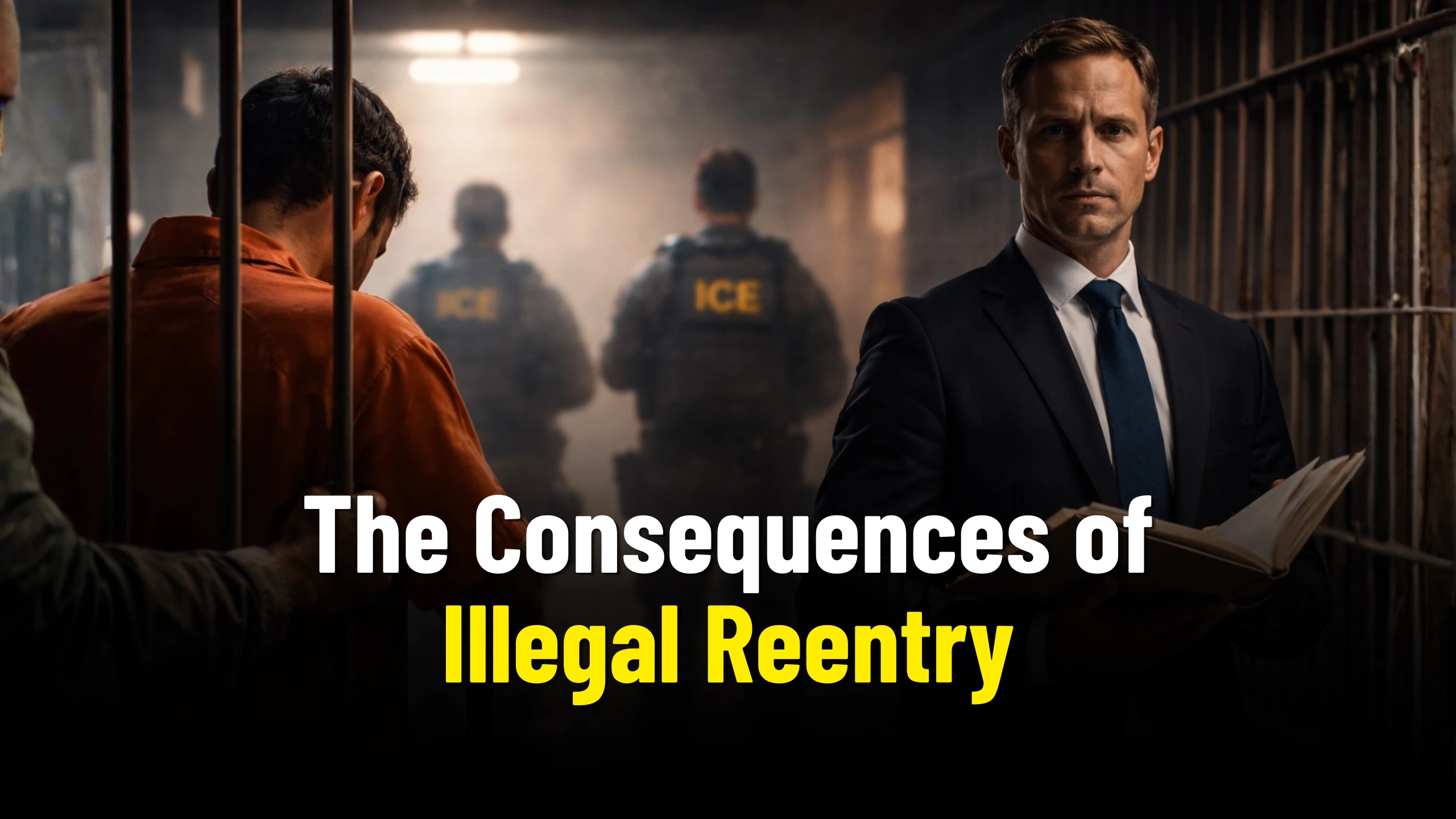
What is Aggravated Assault Under Texas Law?

Legal Definition

Under Texas Penal Code §22.02, a person is guilty of aggravated assault when they commit a simple assault (as defined in §22.01) and either:

  • cause “serious bodily injury” to another person (including a spouse), or
  • use or exhibit a “deadly weapon” during the assault.

Because of these aggravating factors, aggravated assault is treated as a felony under Texas law. 

When Charges Can Be More Severe?

Normally, aggravated assault is charged as a second‑degree felony. But under certain circumstances, the charge can be elevated to a first‑degree felony. Some of those circumstances include when the assault is committed against a family member or household member with a deadly weapon, or when it causes very serious injury (e.g., traumatic brain or spinal injury), or when the victim is a public servant/security officer on duty, or other enhancements per recent 2023 amendments.

Penalties for Aggravated Assault in Texas

Here’s a breakdown of potential penalties under Texas law for aggravated assault, depending on the severity of the offense and aggravating factors:

Offense / Circumstance Felony Classification Typical Sentencing Range*
Aggravated assault — serious bodily injury or use of a deadly weapon (standard case)
2nd‑degree felony
2 to 20 years in prison, up to $10,000 fine
Aggravated assault with enhancements (deadly weapon + victim is family member/household member) or causing severe injury (e.g., traumatic brain/spinal injury)
1st-degree felony
5 to 99 years (or life) in prison, up to $10,000 fine

* The actual sentence depends on many factors: severity of injury, prior criminal record, whether mitigation is successful, plea deals, and how effective the defense is.

Other consequences beyond prison/fine may include: long-term criminal record, loss of certain civil rights (e.g., firearm ownership), difficulties obtaining employment or housing, immigration consequences if applicable, professional licensing issues, and social stigma. Because of these severe consequences, any aggravated assault charge demands serious attention and immediate legal representation.

What Happens After an Arrest in Dallas Fort Worth?

If you’re arrested for aggravated assault in a metro area like Dallas–Fort Worth, here’s generally what to expect and why quick action matters:

  • Booking and initial charges– After arrest, the police will book you, gather reports, evidence, and statements. Prosecutors review to decide formal charges under §22.02 if aggravating factors apply.
  • Bail/bond or pretrial detention — Given the seriousness (felony), bail may be high, or release conditions strict, depending on the facts.
  • Discovery and evidence sharing — Prosecution shares evidence: crime scene reports, weapon or injury evidence, witness statements, medical records, etc.
  • Pretrial defense work — A defense attorney investigates details: Was the “deadly weapon” properly defined? Was the injury truly “serious bodily injury”? Was the proper procedure followed at arrest? Are there inconsistencies or constitutional issues (e.g., illegal search or seizure)?
  • Plea negotiation or trial — Depending on the strength of the case, options include plea deals (reduced charge, probation, less prison time), dismissal, or trial if the defense thinks there’s a strong argument.

Sentencing or acquittal/dismissal — If convicted, sentencing can follow statutory ranges. If defended successfully, possible outcomes include reduced charges, a lesser sentence, or even acquittal.

In Dallas Fort Worth, prosecution and court practices may be aggressive. Having a lawyer familiar with local judges, prosecutors, and jury attitudes helps tailor defense strategy effectively.

How a Criminal Defense Lawyer Can Make a Difference?

When facing aggravated assault charges, having the right criminal defense lawyer can substantially change your chances. Here’s how effective legal representation helps:

  • Understand and challenge the evidence & definitions

A good lawyer will scrutinize whether the prosecution truly meets definitions under §22.02- is the injury “serious bodily injury”? Was the weapon legally “deadly”? If these elements are questionable, the lawyer may challenge or litigate.

  • Raise procedural or constitutional defenses

If evidence was obtained via an illegal search, or an arrest procedure was flawed, or Miranda rights were violated, these can weaken or dismiss charges.

  • Negotiate plea deals or alternative sentencing

For first-time offenders or less severe injuries, a lawyer may negotiate reduced charges, probation, or deferred adjudication, avoiding maximum prison time.

  • Minimize collateral consequences

Besides prison, a conviction can scar future opportunities. A defense lawyer works to protect rights, limit criminal record impact, and manage possible long-term fallouts (employment, licensing, civil rights).

  • Tailor defense to the local court environment

Dallas Fort Worth has specific prosecution patterns, sentencing tendencies, and judicial attitudes. A lawyer familiar with Dallas Fort Worth courts knows how to frame arguments, whom to negotiate with, and what strategies work best.

  • Provide representation throughout the process

From arrest to trial to sentencing or plea, a lawyer ensures your rights are upheld, paperwork and filings are timely, and your side of the story is heard.

In short, you don’t want to face an aggravated assault charge on your own. With skilled legal defense, what looks like a bleak situation may end with reduced charges, a lower sentence, or even complete dismissal,  keeping your future intact.

Why Aggravated Assault Charges in Dallas Fort Worth Need Special Attention?

There are several reasons why cases in Dallas Fort Worth deserve special care:

  • Dallas Fort Worth is densely populated; more incidents, more witnesses, more complicated contexts (traffic stops, bars/clubs, public settings, multiple people).
  • Prosecutors often have resources and pressure to pursue felony charges, especially if a weapon or serious injury is involved.
  • High risk of collateral damage: felony conviction affects employment, housing, professional licenses, public perception — in a big metro area, negative publicity can spread fast.
  • Jury pools may have varied demographics, including people strongly opposed to violence, which affects trial strategies; having a lawyer who knows local jury demographics helps.

Therefore, regardless of the circumstances, whether it was a fight, self-defense gone wrong, accident, or misunderstanding, you need a defense lawyer who knows how to navigate Dallas Fort Worth’s legal terrain.

Table: Aggravated Assault Penalties & Outcomes in Texas

Offense / Factor Felony Degree Prison Sentence Range Fine Other Consequences
Aggravated assault — serious bodily injury or deadly weapon, standard case
2nd‑degree
2–20 years
Up to $10,000
Felony record; loss of gun/voting rights; employment/housing issues
Aggravated assault with enhancement (deadly weapon + family violence / public servant / severe injury)
1st‑degree
5–99 years or life
Up to $10,000
Long-term felony record; higher risk of civil consequences, loss of rights, immigration/civic/ licensing impact

This table shows the real risk involved — depending on circumstances, your future can shift dramatically.

Common Misconceptions and Mistakes to Avoid

Facing an aggravated assault charge can be overwhelming, and many defendants make assumptions that could seriously harm their case. Understanding these misconceptions is critical to protecting your rights.

Misconception 1: “It’s Just a Misdemeanor”

Many people assume that an assault charge will remain a misdemeanor, especially if no one was severely injured. However, under Texas Penal Code §22.02, the use of a weapon, intent to cause serious bodily harm, or the presence of aggravating circumstances can elevate the charge to a felony. Underestimating the severity of the offense can lead to complacency and missed opportunities for a proper defense.

Mistake 2: Speaking to Law Enforcement Without Legal Counsel

Another common error is speaking to police or investigators before consulting a criminal defense lawyer. Statements made in the heat of the moment, even if meant innocently, can be interpreted as admissions of guilt. These remarks may become part of the prosecution’s case and limit your defense options. Always exercise your right to remain silent until your lawyer is present.

Misconception 3: First-Time Offenders Will Automatically Receive Leniency

Some defendants believe that being a first-time offender guarantees lighter treatment. In reality, Texas law does not automatically reduce charges or sentencing for first offenses. The seriousness of the injury, involvement of a weapon, and other aggravating factors can still result in felony charges, substantial prison time, fines, and long-term consequences.

Mistake 4: Handling the Case Without a Lawyer

Trying to manage an aggravated assault case on your own is highly risky. Court procedures are complex, evidence rules are strict, and plea negotiations require strategic planning. Missing deadlines or misinterpreting procedural rules can drastically impact your case.

Criminal Defense Lawyer

Mistake 5: Additional Pitfalls

Other common mistakes include:

  • Sharing case details on social media may be used against you.
  • Failing to preserve evidence or gather witnesses who could support your defense.
  • Underestimating the potential long-term consequences of a conviction, including employment, housing, and civil rights impacts.

Why Early Legal Representation Matters?

Because of these pitfalls, engaging a criminal defense lawyer at the earliest stage is crucial. A lawyer can:

  • Protect your rights and prevent self-incriminating statements.
  • Evaluate the prosecution’s evidence and challenge weaknesses.
  • Develop a strategic defense plan tailored to your case.
  • Navigate court procedures and negotiate potential plea agreements.

Early action can significantly influence the outcome of your case and help safeguard your future.

Conclusion

Facing an aggravated assault charge under Texas Penal Code §22.02, particularly in a major metro like Dallas Fort Worth is a serious matter that can upend your life. Between potential long prison sentences, heavy fines, felony records, loss of rights, and long-term repercussions on career, reputation, and personal life, the consequences are steep. That’s why having a dedicated, experienced criminal defense lawyer is critical. With proper legal representation, you get someone who understands the law, knows how to challenge prosecution evidence or procedure, can negotiate for reduced charges or sentencing, and can work to protect your long-term future. If you are facing aggravated assault charges in Dallas–Fort Worth, consider contacting L & L Law Group — a firm ready to offer strong defense, personalized legal guidance, and committed representation to fight for your rights and the best possible outcome.

Frequently Asked Questions

What is the difference between simple assault and aggravated assault in Texas?

Simple assault under §22.01 involves lesser offenses — such as threats, offensive contact, or minor bodily injury — and can be a misdemeanor or low-level felony depending on circumstances. Aggravated assault under §22.02, however, requires either serious bodily injury or use of a deadly weapon, automatically making it a felony. Because of these aggravating elements, penalties for aggravated assault are far more severe: prison terms, felony records, and long-term collateral consequences.

Can aggravated assault charges be reduced or dismissed?

Yes, it is possible, especially with a skilled criminal defense lawyer. Many cases can be negotiated down through plea bargains, evidence challenges, or procedural defenses. If the prosecution’s evidence is weak — e.g., no serious injury, questionable weapon classification, faulty witness statements — charges may be reduced to simple assault or even dismissed. The strength and timing of your defense can make a big difference.

Does using a weapon always lead to first‑degree felony charges?

Not always. Use or exhibition of a deadly weapon generally qualifies the offense as aggravated assault (felony), but whether it becomes a first‑degree felony depends on additional factors — such as the victim’s status (family member, public servant, etc.), severity of injury, or special statutory enhancements under §22.02(b).

What should I do immediately after being arrested for aggravated assault?

Your first step should be to contact a qualified criminal defense lawyer without giving statements to the police or discussing details with others. Secure evidence, avoid discussing the case publicly or on social media, and preserve any potentially relevant documents, photos, or witness information. Early legal representation helps protect your rights, challenge evidence, and increase the chance of a favorable outcome.

How does a conviction for aggravated assault affect long-term life prospects?

A conviction typically leads to a felony record, which can affect employment opportunities, housing applications, professional licensing, firearms rights, and immigration status if applicable. It may also carry social stigma, difficulties in obtaining loans or credit, and long-term legal restrictions. That’s why defending the case thoroughly, not just aiming to avoid prison, but to protect your future, is crucial.

Section Title

Simplifying Data Breach Liability Law And Your Legal Risks

In the current digital landscape, data breach liability law makes it clear that a breach is no...

What Impacts The Role Of DNA Evidence In Criminal Cases In Texas?

DNA evidence in criminal cases in Texas carries immense weight with modern juries, often viewed as...

Possession Of Prohibited Weapons In Texas: What You Need To Know?

Possession of prohibited weapons in Texas is taken very seriously under state law, even though Texas...

Tampering With Evidence Texas: Hidden Felony Risks And Defense Strategies

Facing accusations of tampering with evidence Texas can be overwhelming, especially when the...

Cryptocurrency Fraud Charges in Frisco, Texas: What You Need to Know?

The legal landscape is shifting as the cryptocurrency fraud charges Texas residents face become a...

Wire Fraud Charges In Texas: Risks, Penalties, And Defense Strategies

Facing wire fraud charges in Texas can feel like the world is crashing down around you. The...

Kidnapping Charges In Frisco, Texas: A Defense Lawyer’s Perspective

Facing kidnapping charges in Frisco is one of the most serious legal situations an individual can...

Capital Murder Charges In Frisco, Texas: A Defense Lawyer’s Guide To High-Stakes Cases

Capital murder charges in Texas represent the most serious legal category in the state’s judicial...

How To Get Frisco Family Violence Charges Dismissed Or Dropped?

Frisco Family Violence Charges can feel overwhelming from the moment an arrest happens in North...
Categories
Criminal Defense

Federal Bribery Lawyer Review and Evaluate Case Evidence

Blog

How Texas Federal Bribery Lawyers Review and Evaluate Case Evidence?

Reggie London

Reggie London

How Texas Federal Bribery Lawyers Review and Evaluate Case Evidence

When facing allegations of corruption or illegal financial influence, a federal bribery lawyer plays a critical role in reviewing and evaluating the evidence against you. In Texas, particularly in the Dallas Fort Worth area, federal bribery charges can carry severe penalties, including long-term imprisonment, steep fines, and reputational damage. A skilled federal bribery lawyer helps clients understand what evidence is strong, what can be challenged, and how to defend against complex federal allegations.

Understanding Federal Bribery Charges in Texas

Federal bribery laws, primarily enforced under 18 U.S.C. §201, are designed to prevent public officials from abusing their position for personal gain. Essentially, bribery occurs when someone offers, gives, or receives something of value with the intention of influencing a government official’s decisions. In Texas, these charges can arise in a variety of situations, and understanding how they apply is critical for anyone facing allegations.

Bribery can take several forms:

  1. Monetary Payments: Offering or receiving money to sway the actions or decisions of a government official is the most common form. Even indirect payments, such as loans or financial favors, can fall under federal bribery statutes.
  2. Gifts, Services, or Benefits: Bribery is not limited to cash. Providing gifts, complimentary services, expensive trips, or other tangible benefits in exchange for favors can also constitute a federal offense.
  3. Influencing Government Contracts or Elections: Attempting to secure favorable contracts, licenses, or political outcomes through offers of value is considered bribery under federal law.

Unlike state-level bribery charges, which often deal with local or municipal officials, federal bribery cases in Texas are usually investigated by multiple federal agencies, including the FBI, the U.S. Attorney’s Office, and federal inspectors general. This multi-agency involvement often makes federal cases more complex and increases the stakes, including the potential for significant prison sentences, fines, and long-term disqualification from holding public office.

Key Elements of a Federal Bribery Case

To secure a conviction in federal court, prosecutors must prove specific elements beyond a reasonable doubt. A Dallas Fort Worth federal bribery lawyer carefully examines each of these elements before building a defense strategy:

  • A Thing of Value Was Offered or Given

The government must show that the defendant offered, promised, or delivered something of value. This could be cash, gifts, services, loans, stock, or other benefits.

  • Intent to Influence

Bribery requires proof that the defendant acted with the intent to influence an official’s decision-making. A casual or unrelated gift is not sufficient; prosecutors must demonstrate a clear quid pro quo arrangement.

  • A Public Official Was Involved

Federal bribery statutes specifically target elected officials, government employees, or candidates for federal office. The law ensures that public trust is not compromised by private gain.

A skilled federal bribery lawyer in Dallas Fort Worth evaluates all available evidence to determine whether these elements are present. By carefully analyzing financial records, communications, and other documentation, the lawyer can identify weaknesses in the prosecution’s case, challenge improperly obtained evidence, and develop an effective defense strategy.

How Federal Bribery Lawyers Review Evidence?

Initial Case Assessment

The first step for a federal bribery lawyer is to conduct a thorough review of the case file provided by the government. This includes:

  • Subpoenaed emails, financial records, and contracts.
  • Witness statements, affidavits, and deposition transcripts.
  • Surveillance footage and communication logs.

During this phase, the lawyer identifies inconsistencies or gaps that could challenge the prosecution’s narrative.

Forensic Analysis of Financial Records

Bribery cases often hinge on financial trails. Federal bribery lawyers in Dallas Fort Worth will:

  • Examine bank statements, wire transfers, and expense reports.
  • Look for unusual or unexplained transactions.
  • Use forensic accounting to determine if money transfers indicate a quid pro quo arrangement.

Even minor discrepancies in financial records can become critical points in the defense strategy.

Witness Interviews and Statements

Federal Bribery Lawyer

Witnesses, including government officials or third parties, often play a pivotal role. A federal bribery lawyer will:

  • Cross-check witness statements for contradictions.
  • Identify potential biases or motivations for false testimony.
  • Seek corroborating evidence to support or refute allegations.

Systematic witness evaluation is one of the most effective ways to challenge the government’s evidence.

Digital Evidence and Surveillance

Emails, text messages, and other digital records often form the backbone of federal bribery prosecutions. Lawyers:

  • Review communications for context and intent.
  • Identify improperly obtained evidence that may violate Fourth Amendment protections.
  • Use expert testimony to interpret digital trails in court.

Experienced federal bribery lawyers know how to leverage digital evidence to support their clients’ defense.

Common Defenses in Texas Federal Bribery Cases

Facing federal bribery charges in Texas is serious, and a strong defense requires careful analysis of both the evidence and the legal elements of the crime. A skilled federal bribery lawyer develops strategies tailored to the specific facts of each case. Several common defenses are frequently used to challenge federal bribery allegations:

Lack of Criminal Intent

One of the most critical elements in a federal bribery case is intent. For a conviction, prosecutors must prove that the defendant acted intending to influence a government official’s actions. If a payment, gift, or benefit was given without this intent, for example, as a routine business transaction or unrelated gesture, a federal bribery lawyer can argue that no federal offense occurred. This defense often involves examining communications, financial records, and the context of the transaction to show that the alleged “bribe” lacked a corrupt motive.

Coercion or Duress

In some cases, defendants may have acted under threat, pressure, or coercion. If an individual was forced to participate in an illegal activity against their will, the law may recognize this as reduced culpability or even negate criminal responsibility. A Dallas Fort Worth federal bribery lawyer can gather evidence, such as communications or witness testimony, to demonstrate that the defendant acted under duress rather than voluntary intent, which can significantly impact the outcome of the case.

Entrapment

Entrapment occurs when government officials or agents induce a person to commit a crime they would not have otherwise committed. If law enforcement entices an individual into offering or accepting a bribe, a federal bribery lawyer can argue that the defendant was entrapped. Successful use of this defense requires demonstrating that the government initiated or pressured the action, rather than merely providing an opportunity to commit a crime.

Procedural Defenses

Federal bribery prosecutions are heavily reliant on evidence, and any procedural missteps by investigators can be challenged. A Dallas Fort Worth federal bribery lawyer will carefully review the methods used to gather evidence, including:

  • Surveillance techniques
  • Subpoenas and search warrants
  • Seized digital communications or financial records

If any evidence was obtained in violation of constitutional rights, such as the Fourth Amendment, it may be suppressed, weakening the prosecution’s case. Procedural defenses are particularly important in federal cases, where strict compliance with investigative protocols is required.

A knowledgeable federal bribery lawyer in Dallas Fort Worth combines these defenses, as appropriate, to craft a comprehensive strategy. By addressing intent, coercion, entrapment, and procedural errors, attorneys maximize the chances of a favorable outcome, whether through case dismissal, reduced charges, or a strong defense at trial.

Penalties for Federal Bribery in Texas

Legal repercussions differ according to the level of the offense:

Penalty Type Federal Statute Maximum
Imprisonment
18 U.S.C. §201
15 years
Fines
18 U.S.C. §3571
Greater of statutory max or 3x bribe amount
Disqualification from Office
18 U.S.C. §201
Permanent in some cases

Strong legal representation from a federal bribery lawyer can help reduce or even eliminate these penalties.

Importance of Local Expertise in Dallas Fort Worth

Federal bribery cases often intersect with local law enforcement and federal courts. Federal bribery lawyers familiar with Dallas Fort Worth understand:

  • Court procedures and judge tendencies.
  • The specific practices of U.S. Attorneys in the Northern District of Texas.
  • How to identify and work with local expert witnesses.

This local knowledge allows lawyers to craft a tailored defense strategy for each client.

When to Contact a Federal Bribery Lawyer in Texas?

Federal Bribery Lawyer

Federal bribery charges are complex and carry serious consequences, including lengthy prison sentences, significant fines, and potential long-term disqualification from holding public office. Because of this, it’s essential to engage a federal bribery lawyer as soon as you suspect you might be involved in an investigation or legal action. Early legal guidance allows for a thorough evidence review, protection of your rights, and the development of a tailored defense strategy.

You should contact a federal bribery lawyer immediately if any of the following situations occur:

  1. You Receive a Subpoena or Indictment
    Receiving a federal subpoena or indictment is a serious matter that signals the government is formally investigating or charging you. A federal bribery lawyer in Dallas Fort Worth can help you understand the legal documents, advise on how to respond, and begin gathering evidence to protect your case.
  2. Law Enforcement Questions or Arrests You
    If federal agents contact you for questioning or make an arrest, it’s critical to have legal representation present. A skilled federal bribery lawyer can ensure that your rights are protected, prevent involuntary or misleading statements, and guide you through initial interactions with law enforcement.
  3. You Suspect Investigations Targeting Your Business or Official Activities

Even if no formal charges have been filed, indications of a government investigation, such as inquiries about contracts, finances, or communications, should prompt immediate consultation. A federal bribery lawyer in Dallas Fort Worth can proactively review your records, advise on compliance, and help mitigate potential risks before charges arise.

Conclusion

Facing federal bribery allegations in Texas can be overwhelming, but the right legal support makes a critical difference. From examining financial records to reviewing witness statements, every detail matters when defending against these charges. In Dallas Fort Worth, a skilled federal bribery lawyer can guide you through federal court procedures, challenge questionable evidence, and advocate for the best possible outcome. Trust L & L Law Group to handle serious allegations with skilled advocacy and a defense built specifically for your situation. Timely action can help protect both your freedom and your reputation.

Frequently Asked Questions

What is considered a bribe under federal law in Texas?

A bribe includes any money, gift, service, or benefit offered or received to influence a government official’s decisions. Under 18 U.S.C. §201, this applies to elected officials, employees, or federal candidates. Even indirect offers like campaign contributions or stock transfers may qualify. A federal bribery lawyer analyzes context and intent to determine if the transaction meets legal standards and prepares defenses accordingly.

How do federal bribery charges differ from state charges in Texas?

State bribery laws typically cover local officials and narrower offenses. Federal charges encompass federal employees, candidates, and broader misconduct. They often involve multiple agencies and carry harsher penalties. A federal bribery lawyer in Dallas Fort Worth knows federal procedures and can defend clients more effectively than attorneys who focus only on state law.

What defenses are commonly used in federal bribery cases?

Defenses include lack of intent, coercion, entrapment, intoxication, and procedural violations. A federal bribery lawyer assesses which defense fits best based on evidence. For instance, proving no intent to influence an official can negate a core element of bribery.

How do lawyers evaluate financial evidence in bribery cases?

Financial evidence is critical. A federal bribery lawyer reviews bank statements, wire transfers, contracts, and expense reports. Using forensic accounting, they trace transactions to determine if funds were linked to illegal influence. This analysis helps strengthen the defense or expose weaknesses in the prosecution’s claims.

Can improperly obtained evidence be excluded in federal bribery cases?

Yes. Evidence collected without proper warrants or through illegal surveillance can be suppressed under the Fourth Amendment. A federal bribery lawyer reviews investigative practices to ensure legality. If violations are found, a motion to exclude can significantly reduce the government’s case strength.

Why is local expertise important in Dallas Fort Worth bribery cases?

Understanding local court rules, judge behavior, and federal prosecutor practices in Dallas Fort Worth is crucial. A federal bribery lawyer familiar with the region can navigate local procedures, secure expert witnesses, and craft effective defense strategies tailored to the area’s legal landscape.

Section Title

Simplifying Data Breach Liability Law And Your Legal Risks

In the current digital landscape, data breach liability law makes it clear that a breach is no...

What Impacts The Role Of DNA Evidence In Criminal Cases In Texas?

DNA evidence in criminal cases in Texas carries immense weight with modern juries, often viewed as...

Possession Of Prohibited Weapons In Texas: What You Need To Know?

Possession of prohibited weapons in Texas is taken very seriously under state law, even though Texas...

Tampering With Evidence Texas: Hidden Felony Risks And Defense Strategies

Facing accusations of tampering with evidence Texas can be overwhelming, especially when the...

Cryptocurrency Fraud Charges in Frisco, Texas: What You Need to Know?

The legal landscape is shifting as the cryptocurrency fraud charges Texas residents face become a...

Wire Fraud Charges In Texas: Risks, Penalties, And Defense Strategies

Facing wire fraud charges in Texas can feel like the world is crashing down around you. The...

Kidnapping Charges In Frisco, Texas: A Defense Lawyer’s Perspective

Facing kidnapping charges in Frisco is one of the most serious legal situations an individual can...

Capital Murder Charges In Frisco, Texas: A Defense Lawyer’s Guide To High-Stakes Cases

Capital murder charges in Texas represent the most serious legal category in the state’s judicial...

How To Get Frisco Family Violence Charges Dismissed Or Dropped?

Frisco Family Violence Charges can feel overwhelming from the moment an arrest happens in North...
Categories
Criminal Defense

Defense Attorney for Child Indecency

Blog

Dallas Fort Worth Indecency With a Child Arrests: Defense Attorney Guide

lawyer

John D.

Dallas Fort Worth Indecency With a Child Arrests

Being arrested for Indecency With a Child in Texas, and particularly in the metro area of Dallas Fort Worth is one of the most serious criminal allegations a person can face. The consequences are harsh, and the legal process is complex. It’s critical to understand what the law says, what you might be charged with, and how a competent defense attorney can guide you through court to protect your rights and future.

In this article, we’ll walk you through:

  • How Indecency With a Child is defined under Texas law
  • The potential penalties and long-term consequences
  • What typically happens after an arrest
  • What a good defense attorney does to help you
  • Key considerations if you’re arrested in Dallas Fort Worth
  • FAQs people commonly have

Understanding Indecency With a Child Under Texas Law

What the Statute Says?

Under Texas Penal Code §21.11, a person commits the offense of Indecency With a Child if, with a child younger than 17 years old (regardless of same or opposite sex, and even if the offender claims they did not know the child’s age), the person:

  • engages in sexual contact with the child; or
  • with intent to arouse or gratify the sexual desire of any person, exposes their genitals (or causes the child to expose themselves) while the child is present.

“Sexual contact” under the statute includes touching even through clothing of the child’s genitals, anus, or breast, or letting a child touch the actor’s genitals/anus/breast, with intent to arouse or gratify.

There are two main categories under the law:

  • Indecency by Contact — involving sexual touching.
  • Indecency by Exposure — involving exposing oneself (or causing a child to expose themselves) for sexual gratification while the minor is present.

The statute also provides some narrow affirmative defenses — for example, if the offender was not more than three years older than the victim, of opposite sex, and didn’t use force or threats, but these defenses are limited and complex.

Penalties and Consequences: Why the Stakes Are High?

A charge of Indecency With a Child is always a felony under Texas law. The potential penalties depend on whether the offense was “contact” or “exposure,” and on any prior criminal history or aggravating factors. 

Here’s a breakdown:

Type of Offense Classification Typical Sentencing Range*
Indecency by Contact (sexual contact)
Second‑degree felony
2–20 years in prison, up to $10,000 fine
Indecency by Exposure (genital exposure)
Third‑degree felony
2–10 years in prison, up to $10,000 fine

* These are statutory ranges; actual sentencing depends on facts, aggravating or mitigating factors, and how the defense is presented.

Additional consequences may include:

  • Mandatory registration on the sex offender registry under Texas law (especially common for contact offenses).
  • Loss of rights (voting, owning firearms, certain professional licenses) and social stigma.
  • Long-term impacts on housing, employment, education, travel, and personal relationships

Because of such severe outcomes, a single arrest can have life-altering consequences.

What Happens Immediately After an Arrest in Dallas Fort Worth?

Defense Attorney

If you are arrested in Dallas Fort Worth on suspected indecency with a child charges, here’s a typical path through the criminal system and why having legal representation matters early.

Arrest and Booking

You’ll be taken into custody, processed, and booked. Evidence will be collected, which may include physical evidence, digital files (photos/videos), forensic interviews, statements, etc.

Filing of Charges

Prosecutors will review evidence and decide whether to file charges under §21.11. Given the seriousness, they often proceed quickly.

Bail / Bond / Pretrial Release

Depending on the facts and criminal history, bail may be high or denied. Conditions may be strict — no contact with minors, electronic monitoring, mandated check‑ins, etc.

Discovery / Evidence Sharing

Prosecution shares evidence (discovery). Defense needs to review, including video or photo evidence, lab reports, witness statements, forensic interviews, and assess whether evidence was legally obtained, whether consent or privacy issues exist, and whether the chain-of-custody was respected.

Pretrial Motions / Defense Strategy

Your attorney may file motions to suppress evidence (if illegally obtained), challenge the reliability of witness statements, argue lack of consent or mistaken identity, challenge procedural errors, etc.

Plea Negotiation or Trial

Depending on the strength of evidence and defense strategy, the case may end in a plea deal (for lesser charges, probation, lower sentencing) or go to trial.

Sentencing or Dismissal / Acquittal

If convicted or if a plea is accepted, sentencing occurs. If defense succeeds, the case may be dismissed or reduced, avoiding some of the worst consequences.

How a Defense Attorney Helps — Why Representation Matters?

Facing indecency with a child without professional legal defense is extremely risky. Here’s how a qualified defense attorney can make a difference:

  • Deep knowledge of the law and statute (§21.11) — An attorney familiar with Texas sexual‑offense law knows exactly what the state must prove: child’s age, intent to arouse or gratify, nature of contact or exposure, consent, etc. A small mistake in evidence or procedure can be grounds for dismissal or suppression.
  • Challenging evidence and procedure — Defense may question how evidence was collected, whether consent was obtained, whether privacy rights were violated, if chain-of-custody was maintained, or if the identification was reliable. Evidence could be inadmissible.
  • Asserting affirmative defenses — In some cases, the law allows defences — e.g, small age difference (within three years), lack of force or coercion, genuine belief about age, etc. A defense attorney evaluates these and determines if they apply.
  • Negotiating plea deals or reduced charges — If evidence is not strong, or there are mitigating factors, an attorney may negotiate a plea to a lesser offense, probation, or reduced penalties instead of lengthy prison time or sex‑offender registration.
  • Protecting long-term future — A charge or conviction can impact employment, housing, licensing, and reputation. A defense attorney works to minimize or avoid felonies, limit collateral consequences, or even seek deferred adjudication or dismissal where possible.
  • Navigating Dallas Fort Worth legal system — Local prosecutors, judges, plea bargaining practices, and courtroom expectations vary. An attorney familiar with Dallas Fort Worth courts knows what strategies work locally and how to manage jury/bench dynamics, sentencing trends, pretrial motions, etc.
  • Ensuring fair treatment and due process — Sexual offense cases often involve high emotion, media attention, and pressure on law enforcement. An attorney ensures your rights are respected: that evidence is handled properly, you are not coerced into statements, and that you get a fair hearing.

In many cases, representation by a skilled defense attorney significantly increases the chances of a favorable outcome — from reduced charges to avoiding registration or prison.

Key Considerations for Those Arrested in Dallas Fort Worth

If you’re arrested for indecency with a child in DFW, you must treat the situation seriously. Here are important things to keep in mind:

  • The arrest is only an accusation, not a conviction. Many cases are dismissed or resolved without a conviction — but only with proper defense and legal strategy.
  • Not all allegations hold up under scrutiny. Mistaken identity, questionable evidence, coerced statements, misunderstandings — these issues are common. A defense attorney will review every detail.
  • First-time offenses aren’t always treated lightly. Even first offenses carry severe felony charges with mandatory consequences like sex offender registration, prison time, and long-lasting impact.
  • Early action is critical. The sooner you engage a defense attorney, the better the chance to influence evidence handling, file motions, and shape favorable outcomes. Delays limit options.
  • Collateral damage can last a lifetime. Beyond jail or fines — losing employment, housing opportunities, damage to reputation, and personal relationships — the effects of a conviction can be far-reaching.
  • It’s not only about the crime — it’s about your future. Even after serving a sentence, sex‑offender registry requirements, social stigma, and legal restrictions can affect life for years. That’s why defense matters.

Given these risks, assuming the situation will “blow over” or “resolve itself” is risky. Proactive legal defense is essential.

Why Do Dallas Fort Worth Cases Require Special Care?

Dallas Fort Worth is a large metropolitan region with high population density, diverse communities, and a busy legal system. For indecency with a child cases:

  • Prosecutors may have more resources, investigative units, and pressure to prosecute aggressively — especially in child‑related cases.
  • Jury pools may include individuals with strong feelings about protecting children, making perception, presentation, and defense strategy critical.
  • Social media, community reaction, and media coverage can influence case atmosphere — making privacy, reputation management, and early legal counsel even more crucial.
  • Local laws, court practices, and plea-bargain norms may differ from other parts of Texas — so you need a defense attorney experienced specifically in DFW.

In short, a case that might be handled differently elsewhere can quickly become a serious, career‑ruining charge in Dallas Fort Worth, underscoring the importance of tailored, local legal defense.

Common Misconceptions and Dangerous Assumptions

Defense Attorney

Many people facing indecency with a child charge make assumptions that can seriously harm their defense. Some common misconceptions:

  • Thinking “it was consensual” or “they said it was okay.” Under §21.11, consent is not a valid defense: the child is under 17; the law deems them unable to legally give consent.
  • Assuming that exposure without contact is “less serious.” Exposure is still a felony (third degree), with prison time and likely sex‑offender registration.
  • Believing that evidence given to police or statements is always accurate. Investigations are sometimes flawed; statements may be coerced; evidence mishandled. Everything must be scrutinized.
    Hoping for leniency because it’s a first offense or because you have no record. Courts often treat child‑related offenses harshly, regardless of criminal history.
  • Assuming immediate plea bargains or quick resolutions. Rushed decisions without legal advice often lead to long-term damage.

These assumptions can backfire badly. That’s why thoughtful, deliberate legal defense is critical from the very start.

Conclusion

An arrest for Indecency With a Child in Texas, particularly in Dallas Fort Worth is not something to take lightly. If you are facing an Indecency With a Child charge in Dallas Fort Worth, you need experienced, dedicated legal representation. A firm deeply familiar with local courts and sex‑offense law can help you navigate the toughest parts of the process. Consider reaching out to L & L Law Group — their team is prepared to fight for your rights, defend your case vigorously, and work toward the best outcome given your circumstances.

Frequently Asked Questions

What is the difference between “indecency by contact” and “indecency by exposure” under Texas law?

Under Texas Penal Code §21.11, “indecency by contact” involves sexual contact with a minor, touching the child’s or adult’s genitals/anus/breast, even through clothing, with intent to arouse or gratify sexual desire. “Indecency by exposure” involves exposing one’s genitals (or causing a child to expose themselves) while a child is present, intending sexual arousal or gratification. The two distinctions matter because contact is classified as a second‑degree felony (typically more severe), while exposure is a third‑degree felony under Texas law.

Can someone charged with Indecency With a Child avoid a sex‑offender registration requirement?

Registration requirements vary, but generally, a conviction (or deferred adjudication) for Indecency With a Child often leads to mandatory registration under Chapter 62 of the Texas Code of Criminal Procedure. In certain limited cases (for example, a minor offender or specific factual circumstances), defense counsel may challenge eligibility for registration, but those situations are rare and highly fact‑specific. A defense attorney would need to examine your entire record, age differences, offense details, and possible defenses before advising on registration risk.

Is there a statute of limitations for Indecency With a Child charges in Texas?

No. For Indecency With a Child, there is no statute of limitations. This means that the state may bring charges at any time if evidence or allegations arise, even many years after the alleged act. That makes timely legal representation critical whenever such allegations emerge, regardless of how long ago the alleged incident occurred.

Can an Indecency With a Child charge be reduced to a lesser offense?

In some cases, yes. Depending on the facts — for example, lack of proof of intent, disputed evidence, procedural issues, or mitigating circumstances — a defense attorney may negotiate with prosecutors for a reduced charge, deferred adjudication, or alternative resolution. However, reduction is not guaranteed and heavily depends on case facts, the quality of defense, and the prosecutor’s discretion.

Should I talk to the police or investigators if I'm arrested for indecency with a child?

You should not speak to police, witnesses, or investigators without first consulting a defense attorney. Anything you say — even what feels like an innocent explanation — can be used against you. A skilled defense attorney will guide you on when and how to respond, and help protect your rights from the start.

Section Title

Simplifying Data Breach Liability Law And Your Legal Risks

In the current digital landscape, data breach liability law makes it clear that a breach is no...

What Impacts The Role Of DNA Evidence In Criminal Cases In Texas?

DNA evidence in criminal cases in Texas carries immense weight with modern juries, often viewed as...

Possession Of Prohibited Weapons In Texas: What You Need To Know?

Possession of prohibited weapons in Texas is taken very seriously under state law, even though Texas...

Tampering With Evidence Texas: Hidden Felony Risks And Defense Strategies

Facing accusations of tampering with evidence Texas can be overwhelming, especially when the...

Cryptocurrency Fraud Charges in Frisco, Texas: What You Need to Know?

The legal landscape is shifting as the cryptocurrency fraud charges Texas residents face become a...

Wire Fraud Charges In Texas: Risks, Penalties, And Defense Strategies

Facing wire fraud charges in Texas can feel like the world is crashing down around you. The...

Kidnapping Charges In Frisco, Texas: A Defense Lawyer’s Perspective

Facing kidnapping charges in Frisco is one of the most serious legal situations an individual can...

Capital Murder Charges In Frisco, Texas: A Defense Lawyer’s Guide To High-Stakes Cases

Capital murder charges in Texas represent the most serious legal category in the state’s judicial...

How To Get Frisco Family Violence Charges Dismissed Or Dropped?

Frisco Family Violence Charges can feel overwhelming from the moment an arrest happens in North...