


Categories
Criminal Defense

The Role of Field Sobriety Tests in DWI Arrests

Blog

The Role of Field Sobriety Tests in DWI Arrests

Reggie London

Reggie London

The Role of Field Sobriety Tests in DWI Arrests

Getting pulled over on suspicion of drunk driving can be a nerve-wracking experience. Your heart races, your palms sweat, and suddenly you’re being asked to step out of your vehicle to perform a series of physical tests on the side of the road. These are field sobriety tests, and they play a crucial role in determining whether you’ll face DWI charges. Understanding what these tests are, how they work, and what rights you have during this process can make a significant difference in protecting yourself legally.

Field sobriety tests have become a standard tool for law enforcement officers across the country when they suspect a driver is under the influence. However, many people don’t realize that these tests are far from foolproof, and various factors can affect their accuracy. Let’s explore how these tests actually work and what you need to know if you ever find yourself in this situation.

What Are Field Sobriety Tests?

Field sobriety tests are physical and cognitive exercises that police officers use to assess whether a driver is impaired by alcohol or drugs. These tests are typically administered during a traffic stop when an officer notices signs of potential intoxication, such as erratic driving, the smell of alcohol, or slurred speech.

The primary purpose is to give officers probable cause to make an arrest or request a chemical test like a breathalyzer. Officers look for specific indicators during these tests that suggest impairment, including balance issues, inability to follow instructions, and poor coordination.

The Three Standardized Field Sobriety Tests

The National Highway Traffic Safety Administration has approved three standardized tests that officers commonly use:

Horizontal Gaze Nystagmus (HGN)

This test involves an officer observing your eyes as you follow a moving object, usually a pen or flashlight. The officer looks for involuntary jerking of the eyeball, which becomes more pronounced when a person is intoxicated. You’ll be asked to follow the object with your eyes while keeping your head still.

Walk-and-Turn Test

You’ll be instructed to take nine heel-to-toe steps along a straight line, turn on one foot, and return in the same manner. Officers watch for signs like stepping off the line, using arms for balance, taking the wrong number of steps, or turning incorrectly.

One-Leg Stand Test

This test requires you to stand with one foot approximately six inches off the ground and count aloud until told to stop, typically for about 30 seconds. Officers look for swaying, using arms for balance, hopping, or putting your foot down.

Non-Standardized Tests Officers May Use

Beyond the three standardized tests, officers sometimes employ additional exercises:

  • Finger-to-nose test
  • Reciting the alphabet
  • Counting backwards
  • Romberg balance test (standing with feet together and head tilted back)

These non-standardized tests have less scientific backing and are more subjective in their assessment. Courts may view results from these tests with more skepticism compared to the standardized versions.

Factors That Can Affect Test Results

Field sobriety tests aren’t always accurate indicators of intoxication. Several legitimate factors can cause you to fail even when you’re completely sober.

Physical and Medical Conditions

Inner ear problems, leg injuries, back issues, and neurological conditions can significantly impact your balance and coordination. Being overweight or elderly can also make certain physical tasks more challenging. If you have any medical conditions that affect your mobility, these tests may not accurately reflect your level of impairment.

Environmental Conditions

Performing these tests on an uneven road surface, in poor lighting, or during bad weather creates additional challenges. Gravel, ice, rain, or even poorly maintained pavement can cause anyone to stumble regardless of sobriety. Officers are supposed to find suitable locations for testing, but this doesn’t always happen.

Footwear and Clothing

High heels, flip-flops, or bulky clothing can make balance tests nearly impossible to complete successfully. Women wearing heels are particularly disadvantaged during these assessments.

Your Rights During Field Sobriety Testing

Many drivers don’t realize they have options when asked to perform field sobriety tests. In most states, these tests are voluntary, meaning you can refuse to take them without automatic penalties. However, refusing may lead to arrest based on other observations the officer has made. Understanding the difference between field sobriety tests and chemical tests is important. 

While field tests are typically voluntary, refusing a breathalyzer or blood test after arrest can result in license suspension under implied consent laws in most states. You have the right to politely decline field sobriety tests, though you should be respectful when doing so. Simply state that you prefer not to participate in the tests.

How Test Results Are Used in Court?

Prosecutors often rely heavily on field sobriety test results to build their DWI cases. Officers will testify about your performance during these tests, describing every misstep or sign of impairment they observed. Video footage from dashboard or body cameras may be presented as evidence.

However, skilled defense attorneys can challenge these results effectively. They may question the officer’s training and administration of the tests, highlight environmental factors that affected performance, or present medical evidence explaining why you struggled with certain tasks. The subjective nature of these tests leaves room for reasonable doubt.

Common Mistakes Officers Make

Law enforcement officers must follow specific protocols when administering field sobriety tests. Deviations from these standards can compromise the validity of the results. Officers sometimes fail to properly explain instructions, conduct tests in unsuitable locations, or don’t account for physical limitations. 

Some rush through the evaluation process or allow distractions to interfere. When officers don’t follow proper procedures, the test results may be challenged or thrown out entirely in court. Documentation is another area where mistakes occur. If an officer’s written report contradicts video evidence or contains inconsistencies, it can undermine the prosecution’s case.

Conclusion

Field sobriety tests remain a cornerstone of DWI enforcement, but they’re far from perfect indicators of impairment. These tests can be influenced by numerous factors beyond alcohol consumption, from medical conditions to weather and road conditions. An experienced attorney can examine every detail of your stop and testing procedure to identify weaknesses in the prosecution’s case. L& L Law Group specializes in DWI defense and can provide the skilled representation you need to protect your rights and fight for the best possible outcome.

Section Title

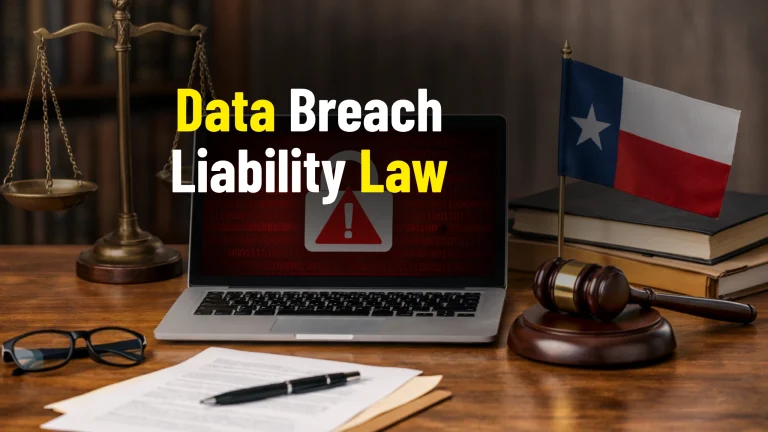
Simplifying Data Breach Liability Law And Your Legal Risks

In the current digital landscape, data breach liability law makes it clear that a breach is no...
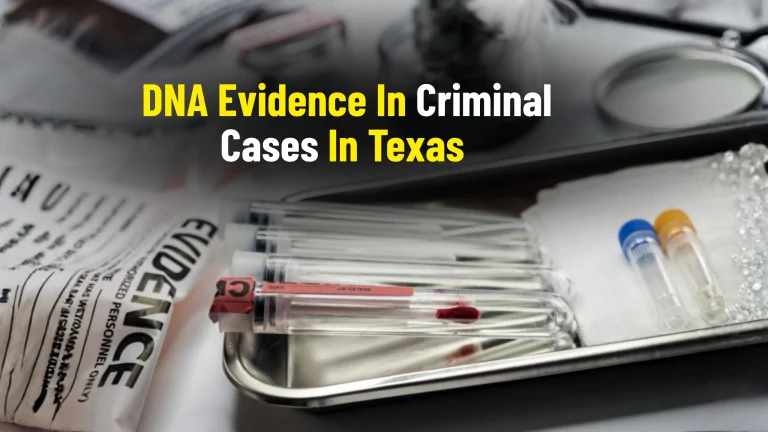
What Impacts The Role Of DNA Evidence In Criminal Cases In Texas?

DNA evidence in criminal cases in Texas carries immense weight with modern juries, often viewed as...

Possession Of Prohibited Weapons In Texas: What You Need To Know?

Possession of prohibited weapons in Texas is taken very seriously under state law, even though Texas...
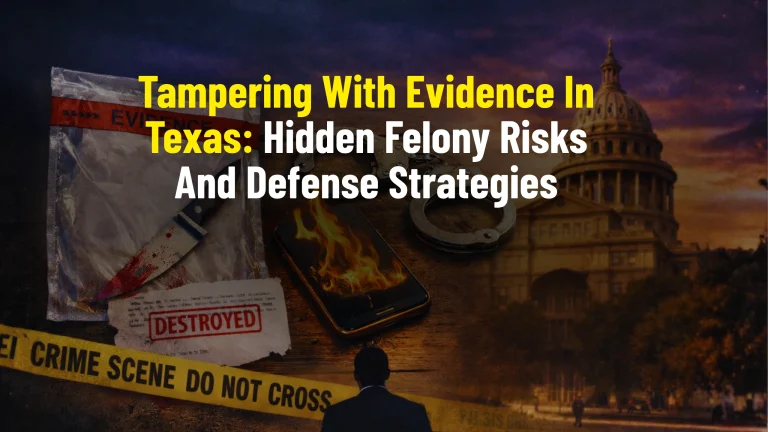
Tampering With Evidence Texas: Hidden Felony Risks And Defense Strategies

Facing accusations of tampering with evidence Texas can be overwhelming, especially when the...
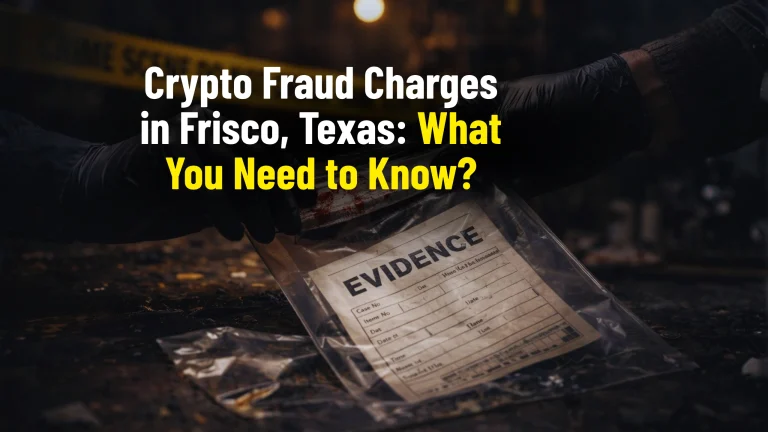
Cryptocurrency Fraud Charges in Frisco, Texas: What You Need to Know?

The legal landscape is shifting as the cryptocurrency fraud charges Texas residents face become a...

Wire Fraud Charges In Texas: Risks, Penalties, And Defense Strategies

Facing wire fraud charges in Texas can feel like the world is crashing down around you. The...

Kidnapping Charges In Frisco, Texas: A Defense Lawyer’s Perspective

Facing kidnapping charges in Frisco is one of the most serious legal situations an individual can...
Capital Murder Charges In Frisco, Texas: A Defense Lawyer’s Guide To High-Stakes Cases

Capital murder charges in Texas represent the most serious legal category in the state’s judicial...

How To Get Frisco Family Violence Charges Dismissed Or Dropped?

Frisco Family Violence Charges can feel overwhelming from the moment an arrest happens in North...

Categories
Criminal Defense

Protect Yourself Legally from False Allegations of Family Violence in Texas

Blog

How to Protect Yourself Legally from False Allegations of Family Violence in Texas?

Reggie London

Reggie London

Protect Yourself Legally from False Allegations of Family Violence in Texas?

False accusations of family violence can turn your world upside down overnight. In Texas, even a single unproven claim can result in a protective order that forces you out of your home, restricts contact with your children, and damages your professional reputation. The stakes are incredibly high, and the system often acts quickly on allegations alone.

Taking the right steps immediately after learning about false accusations can make all the difference in protecting your future. From preserving evidence to understanding your legal rights, knowing what to do and what to avoid helps you build a strong defense. This guide breaks down practical strategies to safeguard yourself when facing baseless family violence allegations in Texas.

Start Documenting Every Interaction Immediately

The moment you suspect someone might make false claims against you, begin keeping detailed records of everything. Write down dates, times, and descriptions of all interactions with the person involved. Include what was said, who else was present, and any relevant context.

What to document:

  • Every conversation, argument, or peaceful interaction
  • Text messages, emails, and social media exchanges
  • Phone call logs with times and durations
  • Locations where you were on specific dates

Save everything digitally and create backup copies. Store these records in a secure location that only you and your attorney can access. Additionally, consider keeping a daily journal that tracks your activities and whereabouts.

Collect and Preserve All Available Evidence

Evidence is your strongest weapon against false allegations. Beyond written documentation, gather any physical or digital proof that supports your version of events.

Digital Evidence

Modern technology offers numerous ways to prove what really happened. Screenshots of social media posts, GPS location data from your phone, and even fitness tracker information can establish where you were and what you were doing. Furthermore, credit card statements and bank records can verify your location at specific times.

Physical Evidence

If an incident occurs, take photographs immediately. This includes:

  • Any injuries you sustained during an altercation
  • Property damage that contradicts the accuser’s story
  • The scene where an alleged incident took place
  • Calendar entries showing your schedule

Security camera footage from your home, workplace, or nearby businesses can provide crucial proof. Act quickly to obtain this footage before it’s automatically deleted or recorded over.

Identify and Secure Witness Statements

People who witnessed interactions between you and your accuser can provide testimony that supports your innocence. Reach out to potential witnesses as soon as possible while memories are still fresh. Key witnesses might include:

  • Friends or family members present during incidents.
  • Neighbors who saw or heard what happened
  • Coworkers who can verify your whereabouts
  • Service providers like delivery drivers or repair technicians

Ask witnesses to write down exactly what they observed, including specific details.

Know Your Rights Regarding Protective Orders

Texas courts can issue protective orders based on allegations alone, often without giving you a chance to defend yourself initially. Understanding how this process works helps you respond appropriately.

Temporary vs. Final Orders

An ex parte protective order can be granted without your presence at the hearing. However, you’ll receive notice of a hearing for a final protective order, typically scheduled within 20 days. This hearing is your opportunity to contest the allegations and present evidence.

Never violate any protective order, even if you believe it’s completely unjust. Breaking the order gives the accuser exactly what they need to make you look guilty. Instead, work with your attorney to challenge the order through proper legal channels.

What Protective Orders Can Do

These orders can seriously disrupt your life by:

  • Requiring you to move out of your own home
  • Prohibiting contact with your children
  • Restricting you from going near certain locations
  • Forcing you to surrender any firearms you own

That’s why fighting back with solid evidence and legal representation is so important.

Stop All Direct Communication Immediately

Once accusations surface, cut off all direct contact with your accuser. Any attempt to discuss the situation, defend yourself, or reason with them can backfire spectacularly. Even well-meaning messages can be misinterpreted to appear as harassment or intimidation.

If you must communicate about children or legal matters, do so only through:

  • Your attorney
  • A court-approved communication app
  • A neutral third party designated by the court

Keep any required communications short, factual, and strictly business-like. Avoid using emotional language, making accusations, or attempting to discuss the allegations. Every word can potentially be used against you in court.

Hire a Skilled Texas Family Law Attorney Right Away

Getting legal help isn’t optional when you’re facing false family violence allegations—it’s absolutely essential. An experienced attorney knows how Texas courts handle these cases and can guide you through every step of the process.

How an Attorney Protects You

Your lawyer will:

  • Review all evidence and identify weaknesses in the accusations.
  • Prepare you for hearings and testimony.
  • Cross-examine the accuser to expose inconsistencies.
  • Present your evidence in the most compelling way.
  • Advise you on what to say (and not say) to the police.

Moreover, an attorney can spot motives behind false allegations that you might miss. In many cases, accusations arise during divorce proceedings or custody battles as a strategic move to gain an advantage. Your lawyer can help the court see the bigger picture.

Finding the Right Representation

Look for an attorney who specializes in family law and has specific experience defending against false allegations. They should understand the local court system and have a track record of successful outcomes in similar cases.

Control Your Behavior and Public Presence

How you conduct yourself during this period matters tremendously. Courts will consider your overall character and behavior when evaluating the allegations against you.

Essential do's and don'ts:

  • Stay calm and composed in all situations.
  • Avoid alcohol or substances that could impair judgment.
  • Keep your social media clean and professional.
  • Continue meeting work and family obligations.
  • Stay away from places where you might encounter the accuser.
  • Don’t post anything online about the case or the person involved.

Think of this time as being under a microscope. Everything you do can either help or hurt your case. Show the court that you’re a stable, responsible person who doesn’t fit the profile of an abuser.

Final Thoughts

Protecting yourself from false family violence allegations requires immediate action, careful documentation, and strategic legal defense. Remember, staying calm and following the right legal steps gives you the best chance of clearing your name. If you’re facing false allegations in Texas, L&L Law Group provides the skilled representation you need to defend your rights and restore your reputation.

Section Title

Simplifying Data Breach Liability Law And Your Legal Risks

In the current digital landscape, data breach liability law makes it clear that a breach is no...

What Impacts The Role Of DNA Evidence In Criminal Cases In Texas?

DNA evidence in criminal cases in Texas carries immense weight with modern juries, often viewed as...

Possession Of Prohibited Weapons In Texas: What You Need To Know?

Possession of prohibited weapons in Texas is taken very seriously under state law, even though Texas...

Tampering With Evidence Texas: Hidden Felony Risks And Defense Strategies

Facing accusations of tampering with evidence Texas can be overwhelming, especially when the...

Cryptocurrency Fraud Charges in Frisco, Texas: What You Need to Know?

The legal landscape is shifting as the cryptocurrency fraud charges Texas residents face become a...

Wire Fraud Charges In Texas: Risks, Penalties, And Defense Strategies

Facing wire fraud charges in Texas can feel like the world is crashing down around you. The...

Kidnapping Charges In Frisco, Texas: A Defense Lawyer’s Perspective

Facing kidnapping charges in Frisco is one of the most serious legal situations an individual can...

Capital Murder Charges In Frisco, Texas: A Defense Lawyer’s Guide To High-Stakes Cases

Capital murder charges in Texas represent the most serious legal category in the state’s judicial...

How To Get Frisco Family Violence Charges Dismissed Or Dropped?

Frisco Family Violence Charges can feel overwhelming from the moment an arrest happens in North...

Categories
Criminal Defense

How an Expert Criminal Defense Attorney Helps You Keep a Clean Record

Blog

How an Expert Criminal Defense Attorney Helps You Keep a Clean Record

Reggie London

Reggie London

Expert Criminal Defense Attorney

Getting arrested or charged with a crime feels terrifying. Your mind races with questions about your future, your job, and your reputation. However, having a criminal record doesn’t have to be your reality. An experienced criminal defense attorney knows how to protect your rights and fight for your freedom.

Many people think hiring a lawyer only matters when facing serious felony charges. That’s not true. Even minor misdemeanor charges can follow you for years. They appear on background checks, impact job applications, and restrict housing options. Therefore, obtaining legal help early makes a significant difference in maintaining a clean record.

Early Intervention Protects Your Future

Time matters in criminal cases. Moreover, what you say or do right after an arrest can hurt your case later. A skilled defense attorney steps in immediately to prevent mistakes that could damage your chances.

First, they advise you on what to say to law enforcement. Police officers may seem friendly, but their job is to build a case against you. Your attorney ensures you don’t accidentally incriminate yourself. Additionally, they start gathering evidence right away before it disappears or becomes harder to find. Key benefits of early legal representation:

  • Prevents self-incrimination during police questioning
  • Preserves crucial evidence and witness statements
  • Identifies weaknesses in the prosecution’s case
  • Negotiates for reduced charges before formal filing

Strategic Case Analysis Reveals Hidden Opportunities

Expert criminal defense attorneys don’t just react to charges. Instead, they examine every detail of your case, looking for opportunities. They review police reports, witness statements, and arrest procedures with a critical eye. Often, law enforcement makes mistakes during arrests or investigations. For instance, they might violate your constitutional rights during a search. Perhaps they didn’t have probable cause for the stop.

These violations can lead to dismissed charges or suppressed evidence. Furthermore, your attorney analyzes the strength of the prosecutor’s evidence. Weak evidence means better negotiating power. They identify inconsistencies in witness statements or problems with how evidence was collected.  

Building a Strong Defense Strategy

Your attorney crafts a defense tailored to your specific situation. They consider multiple angles, from challenging evidence to presenting alternative explanations. Each case is unique, so cookie-cutter approaches don’t work.

Negotiating Reduced Charges Keeps Records Clean

Many criminal cases never go to trial. Instead, attorneys negotiate with prosecutors to reduce charges or modify penalties. This skill separates average lawyers from exceptional ones. An experienced defense attorney understands what prosecutors want. They build relationships with local district attorneys and know how to present your case favorably. As a result, they often secure plea deals that minimize the impact on their record. Common negotiation outcomes include:

  • Charge reduction from felony to misdemeanor
  • Deferred adjudication avoids a conviction.
  • Pretrial diversion programs
  • Probation instead of jail time
  • Dismissal in exchange for community service

Expunctions and Non-Disclosures Remove Past Mistakes

Even if you’ve been convicted before, options exist to clean your record. Texas law allows expunctions and non-disclosures in certain situations. Nevertheless, the process is complex and requires legal knowledge. Expunctions completely erase arrests and charges from your record. It’s like they never happened.

Non-disclosures seal records so they don’t appear on most background checks. Both options give you a fresh start. A criminal defense attorney evaluates your eligibility for these remedies. They handle the paperwork, court filings, and hearings. Successfully clearing your record opens doors that were previously closed. Jobs, housing, and educational opportunities become available again.

Who Qualifies for Record Clearing?

Not everyone qualifies, but many people don’t realize they’re eligible. Your attorney reviews your case history to determine which option works for you. They explain the timeline and requirements clearly. Generally, you might qualify if charges were dismissed, you completed deferred adjudication, or you were acquitted.

Protecting Your Rights Throughout the Process

The criminal justice system is intimidating and confusing. Consequently, many defendants unknowingly give up their rights. Your attorney acts as your shield against violations and unfair treatment. They ensure police followed proper procedures during your arrest. They challenge illegal searches and seizures.

If evidence was obtained improperly, they file motions to exclude it from trial. These protections are fundamental to a fair process. Additionally, your lawyer prevents coerced confessions or improper interrogations. They make sure you understand your rights at every stage. From arraignment to sentencing, they’re by your side advocating fiercely.

Courtroom Experience Delivers Better Results

If your case goes to trial, courtroom experience matters tremendously. Trial attorneys know how to present evidence, cross-examine witnesses, and argue persuasively before judges and juries. They anticipate prosecution tactics and counter them effectively. Their presence commands respect in the courtroom.

Judges and prosecutors take cases seriously when they see experienced counsel. This reputation alone can influence outcomes. Moreover, seasoned attorneys remain calm under pressure. They adapt quickly when unexpected issues arise. Their confidence reassures you during a stressful time. You know someone capable is fighting for your freedom.

Jury Selection and Trial Strategy

Picking the right jury can determine your case outcome. Defense attorneys understand jury psychology and selection strategies. They ask questions that reveal biases and identify sympathetic jurors. During the trial, they tell your story in a compelling way that resonates with ordinary people.

Minimizing Collateral Consequences Beyond the Courtroom

Criminal charges affect more than just your legal status. They impact your life in countless ways. An expert defense attorney considers these collateral consequences when building your defense strategy.

For instance, certain convictions trigger professional license suspensions. Teachers, nurses, and contractors could lose their careers. Immigration status might be affected for non-citizens. Child custody battles become harder with a criminal record. 

Potential collateral consequences include:

  • Professional license suspension or revocation
  • Immigration complications, including deportation
  • Loss of firearm rights
  • Difficulty securing employment or housing
  • Impact on child custody and family court matters.
  • Increased insurance premiums
  • Loss of voting rights for felonies

Your Future Deserves Expert Protection

Criminal charges don’t have to define your future. With the right legal representation, you can fight back and protect your record. An experienced criminal defense attorney brings knowledge, strategy, and dedication to your case. If you’re dealing with criminal charges in Dallas, you can contact L & L Law Group today. The team of dedicated criminal defense attorneys has the experience and track record to help you achieve the best possible outcome.

Section Title

Simplifying Data Breach Liability Law And Your Legal Risks

In the current digital landscape, data breach liability law makes it clear that a breach is no...

What Impacts The Role Of DNA Evidence In Criminal Cases In Texas?

DNA evidence in criminal cases in Texas carries immense weight with modern juries, often viewed as...

Possession Of Prohibited Weapons In Texas: What You Need To Know?

Possession of prohibited weapons in Texas is taken very seriously under state law, even though Texas...

Tampering With Evidence Texas: Hidden Felony Risks And Defense Strategies

Facing accusations of tampering with evidence Texas can be overwhelming, especially when the...

Cryptocurrency Fraud Charges in Frisco, Texas: What You Need to Know?

The legal landscape is shifting as the cryptocurrency fraud charges Texas residents face become a...

Wire Fraud Charges In Texas: Risks, Penalties, And Defense Strategies

Facing wire fraud charges in Texas can feel like the world is crashing down around you. The...

Kidnapping Charges In Frisco, Texas: A Defense Lawyer’s Perspective

Facing kidnapping charges in Frisco is one of the most serious legal situations an individual can...

Capital Murder Charges In Frisco, Texas: A Defense Lawyer’s Guide To High-Stakes Cases

Capital murder charges in Texas represent the most serious legal category in the state’s judicial...

How To Get Frisco Family Violence Charges Dismissed Or Dropped?

Frisco Family Violence Charges can feel overwhelming from the moment an arrest happens in North...

Categories
Criminal Defense

Why Expert Advocacy is Essential for DWI, Assault & Drug Charges?

Blog

Why Expert Advocacy is Essential for DWI, Assault & Drug Charges?

Reggie London

Reggie London

Why Expert Advocacy is Essential for DWI, Assault & Drug Charges?

Facing criminal charges can turn your life upside down in seconds. Whether it’s a DWI stop on your way home, an assault accusation after a heated argument, or drug possession allegations, these situations carry serious consequences that extend far beyond fines and jail time. Your career, reputation, family relationships, and future opportunities all hang in the balance.

Many people believe they can handle these matters alone or with minimal legal help. However, this approach often leads to devastating outcomes. Criminal law is complex, characterized by technical procedures, strict deadlines, and nuanced defenses that only experienced attorneys truly understand. Moreover, prosecutors have extensive resources and years of experience securing convictions. Without skilled representation, you’re essentially fighting an uphill battle with your freedom at stake.

The High Stakes of DWI Charges

DWI accusations come with immediate consequences that most people don’t anticipate. Beyond the potential jail time, you could lose your driver’s license, face skyrocketing insurance rates, and struggle to maintain employment. Additionally, a conviction creates a permanent criminal record that follows you for years. Immediate consequences include:

  • License suspension or revocation
  • Mandatory ignition interlock devices
  • Steep fines and court costs
  • Potential job loss
  • Professional license complications

Technical Defense Strategies Matter

Skilled attorneys know how to challenge DWI evidence effectively. They examine whether the traffic stop was legal, if field sobriety tests were administered correctly, and whether breathalyzer equipment was properly calibrated and maintained. Furthermore, they can identify violations of your constitutional rights during the arrest process. Many DWI cases have technical weaknesses that prosecutors hope defendants won’t discover. Expert lawyers spot these issues and use them to negotiate reduced charges or secure dismissals.

Assault Charges Require Immediate Legal Protection

Assault allegations can arise from misunderstandings, self-defense situations, or false accusations. Unfortunately, once charges are filed, the legal system moves quickly, and you need immediate protection. The prosecution will build its case while you’re still trying to understand what happened.

Different assault classifications carry varying penalties:

  • Simple assault: Typically involves minor injuries or threats
  • Aggravated assault: Includes serious bodily harm or weapon use
  • Domestic assault: Carries additional protective orders and restrictions

Self-Defense Claims Need Proper Documentation

If you acted in self-defense, you must present this argument correctly. Simply telling your story isn’t enough. Experienced attorneys gather witness statements, security footage, medical records, and other evidence to support your claim. They also understand how to present self-defense arguments in ways that courts and juries find compelling.

Drug Charges Have Long-Term Consequences

Drug-related offenses range from simple possession to trafficking charges. Each carries different penalties, but all can result in jail time, massive fines, and a criminal record that affects housing, education, and employment opportunities. Even first-time offenders face serious consequences without proper representation.

Search and Seizure Issues

Many drug cases hinge on how police obtained evidence. Did officers have probable cause for the search? Was a search warrant valid? Were your Fourth Amendment rights violated? These questions can make or break a case. Knowledgeable attorneys file motions to suppress illegally obtained evidence. If successful, prosecutors may have no choice but to drop charges entirely. This is why early legal intervention is critical.

Prosecutors Have Extensive Resources

District attorneys’ offices employ teams of prosecutors, investigators, and support staff dedicated to securing convictions. They handle criminal cases daily and are familiar with every tactic to build strong prosecutions. Meanwhile, defendants without proper representation find themselves overwhelmed and outmatched. Prosecution advantages include:

  • Full-time legal teams
  • Law enforcement cooperation
  • Forensic experts
  • Established relationships with judges

Consequently, you need an equally skilled advocate who knows how to level the playing field and protect your rights throughout the process.

Plea Bargains Aren't Always the Best Option

Prosecutors often pressure defendants to accept plea deals quickly. While some agreements make sense, others are unfavorable and only benefit the prosecution. Many people accept these deals out of fear or confusion, not realizing they might have strong defenses.

Evaluating Offers Properly

Experienced lawyers analyze plea offers carefully. They consider:

  • The strength of the prosecution’s evidence
  • Possible constitutional violations
  • Alternative sentencing options
  • Long-term implications of conviction

Sometimes fighting charges in court yields better results than accepting the first offer. Other times, negotiating improved terms makes more sense than going to trial. Either way, you need someone who knows the difference.

Courtroom Experience Matters Significantly

Trial skills develop through years of courtroom practice. Knowing how to question witnesses, present evidence, and argue legal points effectively requires experience that most people simply don’t have. Even small procedural mistakes can cost you the case.

Jury Selection and Strategy

If your case goes to trial, jury selection becomes crucial. Skilled attorneys identify potential jurors who might be sympathetic to your situation while excluding those likely to favor the prosecution. They also craft opening statements, direct examinations, and closing arguments designed to resonate with jurors.

Protecting Your Future Beyond the Courtroom

A criminal conviction affects more than your immediate freedom. It impacts job applications, professional licensing, child custody arrangements, immigration status, and countless other aspects of life. Therefore, fighting charges isn’t just about avoiding jail—it’s about protecting your entire future.

Expungement and Record Sealing

Even after resolving your case, your attorney can help seal or expunge records when possible. This gives you a fresh start and removes barriers to employment, housing, and education. However, these options require specific legal procedures that vary by jurisdiction and charge type.

Final Thoughts

Criminal charges for DWI, assault, or drug offenses threaten everything you’ve worked to build. The prosecution won’t go easy on you, and the system is designed to move forward whether you’re ready or not. Don’t leave your future to chance. Contact L & L Law Group today to discuss your case with attorneys who have the experience and dedication to protect your freedom and future. Having expert legal representation means someone fights for your rights, challenges weak evidence, and works toward the best possible outcome.

Section Title

Simplifying Data Breach Liability Law And Your Legal Risks

In the current digital landscape, data breach liability law makes it clear that a breach is no...

What Impacts The Role Of DNA Evidence In Criminal Cases In Texas?

DNA evidence in criminal cases in Texas carries immense weight with modern juries, often viewed as...

Possession Of Prohibited Weapons In Texas: What You Need To Know?

Possession of prohibited weapons in Texas is taken very seriously under state law, even though Texas...

Tampering With Evidence Texas: Hidden Felony Risks And Defense Strategies

Facing accusations of tampering with evidence Texas can be overwhelming, especially when the...

Cryptocurrency Fraud Charges in Frisco, Texas: What You Need to Know?

The legal landscape is shifting as the cryptocurrency fraud charges Texas residents face become a...

Wire Fraud Charges In Texas: Risks, Penalties, And Defense Strategies

Facing wire fraud charges in Texas can feel like the world is crashing down around you. The...

Kidnapping Charges In Frisco, Texas: A Defense Lawyer’s Perspective

Facing kidnapping charges in Frisco is one of the most serious legal situations an individual can...

Capital Murder Charges In Frisco, Texas: A Defense Lawyer’s Guide To High-Stakes Cases

Capital murder charges in Texas represent the most serious legal category in the state’s judicial...

How To Get Frisco Family Violence Charges Dismissed Or Dropped?

Frisco Family Violence Charges can feel overwhelming from the moment an arrest happens in North...

Categories
Criminal Defense

Impact of a Solicitation of a Minor Case on Your Criminal Record

Blog

Understanding the Impact of a Solicitation of a Minor Case on Your Criminal Record

Reggie London

Reggie London

Impact of a Solicitation of a Minor Case on Your Criminal Record

Being accused of soliciting a minor carries severe consequences that extend far beyond court proceedings. This charge affects every aspect of your life, from employment prospects to personal relationships. The stigma attached to these allegations can be devastating, even before a conviction occurs. Understanding the full scope of these charges helps you prepare for the challenges ahead.

A solicitation of a minor lawyer provides essential guidance during this critical time. These legal professionals understand the complexities of defending against such serious accusations. Their expertise can mean the difference between a ruined future and protecting your rights. Let’s examine how these charges impact your life and why skilled representation matters.

The Severity of Solicitation Charges

Solicitation of a minor involves attempting to engage an underage individual in prohibited activities. Texas law treats these offenses with extreme seriousness. Even first-time offenders face harsh penalties that alter their lives permanently.

These charges typically stem from:

  • Online communications with undercover officers
  • Text messages or social media interactions
  • Attempted meetings with individuals believed to be minors
  • Offering incentives or coercion through digital platforms

Prosecutors pursue these cases aggressively, often with substantial evidence from sting operations. The legal system shows little leniency for those accused of targeting children.

How a Solicitation of a Minor Case Affects Your Record

How a solicitation of a minor case affects your record question that concerns everyone facing these charges. A conviction creates a permanent mark that follows you indefinitely.

Criminal Record Consequences
A guilty verdict means having a felony on your permanent criminal history. This record appears in background checks conducted by employers, landlords, and educational institutions. Expungement options are extremely limited for these offenses.
Sex Offender Registration
Perhaps the most life-altering consequence involves mandatory sex offender registration. This requirement forces you to:

  • Register with local law enforcement regularly.
  • Provide current address and employment information.
  • Submit to periodic verification visits.
  • Notify authorities of any changes in residence.

Public access to sex offender registries means neighbors, coworkers, and community members can view your information. This exposure affects where you can live and work.

Employment and Career Destruction

Professional consequences begin immediately upon accusation and worsen after conviction. Your career goals become nearly impossible to achieve.
Job Loss and Barriers
Current employers often terminate employees facing these charges. Future employment becomes extremely difficult as most companies conduct background screenings. Certain industries become completely off-limits.

Professions requiring licenses face additional hurdles:

  • Teaching positions at any educational level
  • Healthcare and medical practice roles
  • Legal and financial service careers
  • Positions involving vulnerable populations
  • Government and public sector jobs

Even entry-level positions may reject applicants with these convictions. The economic impact creates long-term financial instability.

Professional License Revocation

Licensed professionals face disciplinary action from governing boards. Doctors, lawyers, nurses, and therapists risk losing their ability to practice. Years of education and training become worthless overnight.

Housing and Residency Restrictions

Finding suitable housing presents significant challenges for those with these convictions. Sex offender status limits where you can legally reside.

Restricted Living Zones

Many jurisdictions prohibit registered offenders from living near:

  • Schools and educational facilities
  • Parks and recreational areas
  • Daycare centers and youth programs
  • School bus stops and transportation routes

These restrictions eliminate vast portions of available housing. Urban areas become particularly difficult to find compliant residences.

Landlord Discrimination

Private landlords often refuse to rent to individuals with these records. Background checks reveal convictions, leading to automatic rejections. Even when legally permissible, securing housing requires extensive searching.

Impact on Family Relationships

Personal relationships suffer tremendously under the weight of these accusations. Family dynamics change permanently, regardless of case outcomes.

Custody and Visitation Rights

Parents facing these charges risk losing custody of their children. Family courts prioritize child safety above parental rights. Even supervised visitation may be restricted or denied. Divorce proceedings often accelerate when one spouse faces solicitation charges. The accused parent may lose decision-making authority regarding children’s welfare.

Social Isolation

Friends and extended family members may distance themselves from the accused. Social stigma creates isolation that compounds emotional distress. Community activities become uncomfortable or impossible to attend.

The Role of Solicitation of a Minor Legal Representation in Texas

Securing solicitation of a minor’s legal representation in Texas immediately after accusations provides crucial protection. Defense attorneys develop strategies to challenge evidence and protect your rights.

Case Investigation and Evidence Review

Experienced lawyers examine how law enforcement obtained evidence against you. They identify:

  • Potential entrapment by undercover operations
  • Violations of constitutional rights during investigations
  • Inconsistencies in the prosecution’s evidence
  • Technical errors in digital evidence collection

Thorough investigation often reveals weaknesses in the state’s case.

Negotiation and Plea Bargaining

Skilled attorneys negotiate with prosecutors for reduced charges when appropriate. Lesser offenses may avoid sex offender registration requirements. These negotiations require a deep understanding of Texas criminal statutes.

Trial Defense Strategies

When cases proceed to trial, your attorney presents compelling defenses. They challenge witness credibility and question evidence authenticity. Effective courtroom representation can result in acquittals or hung juries.

Long-Term Psychological and Emotional Toll

Beyond legal and practical consequences, these charges create lasting emotional damage. Stress affects mental health in profound ways. Anxiety and depression commonly develop during prosecution. The uncertainty of potential outcomes causes sleepless nights and constant worry. Even after case resolution, rebuilding your life requires tremendous effort. Therapy and counseling become necessary for many individuals.

Financial Devastation

The monetary costs extend far beyond legal fees. Multiple financial burdens accumulate throughout the process. Legal defense expenses can reach tens of thousands of dollars. Court costs, expert witnesses, and investigation expenses add up quickly. Many defendants exhaust their savings and retirement accounts. Lost income from job termination compounds financial struggles.

Building Your Defense Strategy

Early intervention by qualified attorneys improves case outcomes significantly. Immediate legal consultation allows your team to preserve evidence and identify defenses. Your lawyer will gather evidence supporting your innocence or mitigating circumstances. Character witnesses and expert testimony strengthen your position. Digital forensics experts may challenge the prosecution’s technical evidence. Trust between client and attorney forms the foundation of effective representation.

In the End

Solicitation of minor charges carries devastating consequences that permanently alter your life. From criminal records to employment barriers, the impact touches every aspect of your future. Sex offender registration creates additional hardships that affect housing, relationships, and community participation.

Fighting these allegations requires immediate action and experienced legal counsel. L & L Law Group offers the dedicated defense representation needed to protect your rights and pursue the best possible outcome in these serious cases.

Categories
Criminal Defense

Texas Occupational License Attorney in Securing Your Driving Privileges

Blog

The Role of a Texas Occupational License Attorney in Securing Your Driving Privileges

Reggie London

Reggie London

Texas Occupational License Attorney in Securing Your Driving Privileges

Losing your driving privileges can feel like losing a sense of independence. Daily tasks become challenging when you can’t drive to work, appointments, or family obligations. A suspended license impacts every aspect of life, making simple errands feel impossible. This hardship affects not just you but everyone who depends on you.

Fortunately, an occupational license attorney in Texas can help restore your mobility. These legal professionals specialize in securing limited driving permits for individuals facing license suspensions. Their expertise ensures you maintain the ability to handle essential responsibilities despite legal setbacks. Let’s explore how these attorneys can make a difference in your situation.

Understanding Occupational Driving Permits

An occupational driving permit allows individuals with suspended licenses to drive for specific purposes. This restricted license enables individuals to maintain employment and fulfill their essential duties. The permit isn’t a full reinstatement but provides crucial mobility.

These permits typically cover:

  • Driving to and from work
  • Medical appointments and treatments
  • Educational activities and classes
  • Household duties and childcare responsibilities
  • Court-ordered obligations

The eligibility requirements vary based on your suspension reason and driving history. Not everyone qualifies automatically, which is why professional guidance matters.

Why Do You Need Legal Representation?

Navigating the occupational license application process involves complex legal procedures. Many applications get denied due to paperwork errors or insufficient documentation. An attorney understands the requirements and prevents costly mistakes.

Expertise in Texas Traffic Laws

Attorneys specializing in occupational permits know state regulations inside out. They understand what judges look for in applications. Their experience helps anticipate potential obstacles before they arise.

Proper Documentation Preparation

Your application requires specific forms, supporting documents, and evidence. Missing even one element can result in denial. Legal professionals ensure every piece is complete and properly formatted.

Court Representation

Most occupational permit requests require a court hearing. Your attorney presents your case persuasively to the judge. They highlight why you need driving privileges and demonstrate your responsibility.

Benefits of Having an Occupational Driving License in Texas

Securing this permit offers numerous advantages beyond basic transportation. Understanding these benefits of having an occupational driving license in Texas motivates many to pursue this option.

Maintain Employment

Without the ability to drive, many people lose their jobs. An occupational permit prevents this devastating consequence. You can continue earning income and supporting your family.

Access Healthcare

Regular medical appointments become possible with driving privileges. Chronic conditions require consistent treatment that public transportation can’t always accommodate. Your health shouldn’t suffer due to a license suspension.

Educational Continuity

Students and those pursuing professional development need reliable transportation. This permit ensures education remains accessible. You won’t have to abandon classes or training programs.

Family Obligations

Parents need to transport children to school and activities. Elderly family members may depend on you for doctor visits. The permit helps you meet these responsibilities without hardship.

The Application Process Explained

Understanding how to obtain an occupational permit reduces anxiety about the process. Your attorney guides you through each step efficiently.

Initial Consultation

Your lawyer reviews your suspension circumstances and driving needs. They assess eligibility and explain realistic expectations. This meeting establishes the foundation for your case.

Gathering Required Evidence

Documentation proves your need for limited driving privileges. Your attorney helps compile:

  • Employment verification letters
  • Work schedules and location details
  • Medical appointment records
  • School enrollment confirmation
  • Proof of household responsibilities

Filing Petition

The formal petition requests the court’s approval for restricted driving. Your attorney ensures the petition meets all legal standards. Proper filing avoids delays and additional hearings.

Filing Petition

The formal petition requests the court’s approval for restricted driving. Your attorney ensures the petition meets all legal standards. Proper filing avoids delays and additional hearings.

Attending the Hearing

Court appearances can be intimidating without representation. Your lawyer presents evidence and answers the judge’s questions. They advocate for your driving needs convincingly.

Common Obstacles and Solutions

Several challenges can complicate the application process. Experienced attorneys know how to overcome these hurdles.

Previous Violations

Multiple traffic offenses make approval more difficult. Your attorney demonstrates rehabilitation and changed behavior. They emphasize current responsibility over past mistakes.

Insufficient Documentation

Missing paperwork causes immediate denials. Legal professionals verify all documents before submission. They obtain missing items quickly to prevent delays.

Unclear Driving Routes

Judges want specific information about where you’ll drive. Vague descriptions hurt your chances. Your lawyer prepares detailed route maps and schedules.

How Attorneys Strengthen Your Case?

Professional representation significantly increases approval odds. Attorneys employ strategic approaches that self-represented applicants often miss. They craft compelling narratives explaining your circumstances. Personal details matter when judges make discretionary decisions. Effective storytelling highlights your genuine need without exaggeration. Legal experts also address potential concerns proactively. They anticipate the judge’s questions and prepare thorough responses. This preparation demonstrates seriousness and reliability.

Costs vs. Consequences

Some people hesitate to hire attorneys due to cost concerns. However, consider the expenses of remaining without driving privileges. Lost wages from job termination far exceed legal fees. Transportation alternatives like taxis become expensive quickly. The inconvenience costs time that money can’t replace. An attorney’s investment often pays for itself through successful permit acquisition. The peace of mind and restored independence prove invaluable.

Choosing the Right Attorney

Not all lawyers have equal experience with occupational permits. Selecting the right representative requires careful consideration. Look for attorneys with specific traffic law experience. Ask about their success rate with permit applications. Client testimonials reveal their effectiveness and professionalism. Communication style matters during this stressful process. Your attorney should explain things clearly and respond promptly. Feeling comfortable with your legal team reduces anxiety.

Concluding

Facing a license suspension doesn’t mean losing all driving privileges permanently. An occupational permit provides the mobility you need for essential activities. Professional legal assistance makes obtaining this permit far more likely and less stressful. The right attorney navigates complex procedures while you focus on meeting your responsibilities. If you’re struggling with suspended driving privileges, L & L Law Group offers the experienced representation you need to secure your occupational permit and regain your independence.

Categories
Criminal Defense

Qualify for Expunction and Don’t Even Know It

Blog

Why You Might Qualify for Expunction and Don't Even Know It?

Reggie London

Reggie London

Qualify for Expunction and Don't Even Know It

Many people assume their criminal records are permanent marks they’ll carry forever. They accept that background checks will always reveal past arrests or charges. What they don’t realize is that Texas law provides opportunities to erase certain records completely. These aren’t just sealed from public view; they’re destroyed as if they never existed.

You might qualify for criminal record expungement without realizing it. Perhaps your charges were dismissed years ago, or you completed deferred adjudication successfully. Maybe you were arrested but never charged. Texas expunction laws apply to more situations than most people understand, and qualifying doesn’t always require legal expertise to recognize. Let’s explore the specific scenarios where you might be eligible to clear your record entirely.

What Expunction Actually Means?

Expunction goes beyond hiding records from public view. When a court grants expunction, law enforcement agencies, courts, and criminal justice databases must destroy all records related to your arrest and charges. After execution, you can legally deny that the arrest ever happened.

Difference Between Expunction and Sealing

Expunction destroys records completely. Nondisclosure orders (record sealing) keep records but restrict who can access them. Government agencies and certain employers can still see sealed records, but the general public cannot. Expunction offers more complete relief.

Who Can See Expunged Records?

After a successful expunction, virtually no one can access those records. The arrest won’t appear on:

  • Employment background checks
  • Housing applications
  • Professional license verifications
  • Public record searches
  • Criminal history reports

Even law enforcement databases remove the information. The legal effect is as though the arrest never occurred.

Arrests That Didn't Lead to Charges

Perhaps the police arrested you, but prosecutors never filed charges. This situation qualifies for immediate expunction in many cases. You don’t need to wait years or meet additional requirements.

Time Requirements for Non-Prosecution

If prosecutors didn’t file charges, you can seek expunction after specific waiting periods:

  • Class C misdemeanors: 180 days
  • Class A and B misdemeanors: One year
  • Felonies: Three years

These waiting periods begin from the arrest date. Once the time passes and no charges were filed, you can petition for expunction.

Why Does This Matter?

Many people arrested during investigations never face actual charges. Prosecutors might determine insufficient evidence exists or that charges aren’t warranted. Yet the arrest record remains, appearing on background checks and creating problems despite your innocence.

Charges That Were Dismissed

Dismissals create strong grounds for expunction. If a court dismissed your charges, you likely qualify regardless of why the dismissal occurred.

Types of Qualifying Dismissals

  • Prosecutor’s discretionary dismissals
  • Court-ordered dismissals for lack of evidence
  • Dismissals after completing pretrial diversion programs
  • Due dismissals to mistaken identity
  • Dismissed because the statute of limitations expired

The reason for dismissal typically doesn’t affect eligibility. The key factor is that charges were formally dismissed rather than resulting in a conviction.

Conditional Dismissals

Some dismissals come with conditions like completing community service or attending classes. Once you satisfy all conditions and obtain formal dismissal, you can pursue expunction. Keep documentation proving you met every requirement.

Acquittals After Trial

If you went to trial and the jury found you not guilty, you qualify for immediate expunction. Acquittals prove your innocence, and Texas law recognizes you shouldn’t carry records of crimes you didn’t commit.

Partial Acquittals

Sometimes juries convict on some charges but acquit on others. You can seek expunction for the acquitted charges even if convictions exist on related matters. Each charge stands independently for expunction purposes.

Bench Trials

Judge-decided cases (bench trials) follow the same rules as jury trials. Not guilty findings from judges create expunction eligibility just as jury acquittals do.

Pardons and Certain Juvenile Records

Receiving a pardon from the governor creates expunction eligibility even after conviction. Pardons are rare but powerful tools for clearing records.

Full Pardons vs. Conditional Pardons

Full pardons grant complete forgiveness and create immediate expunction rights. Conditional pardons might not qualify depending on their terms. Review pardon documents carefully to understand which type you received.

Juvenile Records

Conduct occurring before age 17 might qualify for expunction under special juvenile provisions. Texas law recognizes that youthful mistakes shouldn’t define entire lives. Specific waiting periods and eligibility requirements apply based on the offense type and your age at the time.

Identity Theft Victims

Were you arrested for crimes someone else committed using your identity? Identity theft victims can seek expunction even if initial investigations suggested they were involved.

Proving Identity Theft

You’ll need evidence showing someone else used your identity. This might include:

  • Police reports documenting identity theft.
  • Affidavits explaining the situation
  • Evidence showing you were elsewhere when the crimes occurred.
  • Documentation of fraudulent use of your identifying information

Courts take identity theft seriously. Strong evidence that someone else committed crimes in your name creates compelling grounds for expunction.

Certain Alcohol-Related Minor Offenses

Texas provides special expunction provisions for alcohol offenses committed as minors. If you were charged with minors in possession of alcohol or similar offenses before turning 21, you might qualify.

Eligibility Requirements

You can seek expunction if you:

  • We were under 21 when charged.
  • Have turned 21 since the offense.
  • Successfully completed any required programs or probation.
  • Haven’t committed other offenses.

This provision recognizes that teenage drinking mistakes shouldn’t haunt people into adulthood. Many people don’t realize these specific offenses have easier expunction paths.

The Expunction Process Explained

Filing the Petition

Expunction begins with filing a petition in the court where charges were filed or arrests occurred. The petition must list all agencies that have records related to your case. This includes police departments, sheriff’s offices, courts, and the Texas Department of Public Safety.

Serving Notice

All agencies listed in your petition must receive formal notice. They have opportunities to object if they believe you don’t qualify. Most agencies don’t object when eligibility is clear.

The Hearing

Courts schedule hearings to review expunction petitions. You’ll need to prove you meet statutory requirements. This involves presenting dismissal orders, acquittal judgments, or other documentation showing eligibility.

After the Court Order

Once a judge grants expunction, the court order goes to all relevant agencies. They must destroy their records within specified timeframes. You’ll receive certified copies of the order proving expunction occurred.

Taking the Next Step

You might qualify for expunction right now without realizing it. Old dismissed charges, arrests that never became cases, or acquittals from years ago could all be eligible. Don’t let a lack of information keep you from opportunities to clear your record. If you believe you might qualify for criminal record expungement, L & L Law Group can review your situation and determine whether expungement is available for your specific circumstances.

Categories
Criminal Defense

Handle Contact with Law Enforcement After a Past Conviction

Blog

How to Handle Contact with Law Enforcement After a Past Conviction?

Reggie London

Reggie London

Handle Contact with Law Enforcement After a Past Conviction

A criminal record doesn’t disappear once you’ve served your time. When police stop you for routine matters, your past conviction surfaces in their database immediately. This reality creates anxiety about how to interact with officers who already know your history. Many people with records fear that officers will treat them differently or assume guilt in new situations.

Having a past conviction makes encounters with law enforcement more complex. Officers might scrutinize you more closely or ask invasive questions about your activities. Knowing how to protect yourself while remaining respectful becomes essential. Legal advice after conviction, Texas residents often receive advice that focuses on maintaining their rights without creating unnecessary conflict during these interactions. Here’s what you need to know about handling these situations effectively while protecting your legal interests.

Know What Officers Can and Cannot Access

Police databases reveal your criminal history during traffic stops and field encounters. Officers see conviction dates, charges, sentence details, and probation or parole status. This information influences how they approach interactions with you.

Information in Police Systems

When an officer runs your name or license, their system displays:

  • Prior convictions and arrest records
  • Active warrants
  • Probation or parole conditions
  • Sex offender registry status
  • Protection orders or restraining orders

What They Cannot Assume?

Despite having access to your record, officers cannot legally treat you differently based solely on past convictions. They still need reasonable suspicion or probable cause to search, detain, or arrest you. Your history alone doesn’t justify these actions. However, the practical reality differs from the legal standard.

Your Rights During Police Encounters

Past convictions don’t erase your constitutional protections. You retain specific rights regardless of your criminal history. Understanding these protections prevents officers from overstepping legal boundaries.

Fourth Amendment Protections

Officers need reasonable suspicion to stop you and probable cause to search your property. Your criminal record doesn’t automatically provide either. They must articulate specific, current facts that suggest criminal activity.

Fifth Amendment Rights

You can decline to answer questions about:

  • Where you’re going or coming from
  • Who you’ve been with
  • What you’ve been doing
  • Whether you have anything illegal

Officers often phrase questions to make silence seem suspicious. “You’re not hiding anything, are you?” or “Why won’t you answer if you have nothing to hide?” These tactics pressure you into speaking, but you’re not obligated to respond.

Situations That Require Compliance

You must provide:

  • Your name and identification when lawfully detained
  • Vehicle registration and insurance during traffic stops
  • Probation or parole officer contact information if you’re under supervision.

Physical compliance with lawful orders is mandatory. Refusing to exit a vehicle when directed or resisting arrest creates new criminal charges.

How Probation and Parole Affect Your Rights?

Active supervision significantly changes your interactions with law enforcement. Probation and parole conditions often waive certain constitutional protections you’d otherwise have.

Standard Supervision Conditions

Most supervision agreements include conditions like:

  • Submitting to searches by probation officers without warrants
  • Avoiding contact with known criminals
  • Staying within designated geographic areas
  • Abstaining from alcohol or drugs
  • Maintaining employment or enrollment in programs

Violating these terms can send you back to jail even without new criminal charges. Technical violations like breaking supervision rules rather than committing new crimes account for a significant portion of re-incarcerations.

When Police Can Contact Your Probation Officer?

Officers who encounter you can notify your probation or parole officer about the interaction. Even if the encounter doesn’t result in arrest, this notification can trigger supervision violations if you were somewhere prohibited or with people you’re supposed to avoid. Be honest with your supervision officer about police contacts.

Best Practices During Traffic Stops

Traffic stops are the most common law enforcement encounters. Your approach during these situations can prevent escalation and protect your rights.

Initial Response

  • Pull over promptly and safely.
  • Turn off your engine.
  • Keep your hands visible on the steering wheel.
  • Turn on interior lights if it’s dark.
  • Stay calm and avoid sudden movements.

These actions reduce officer anxiety and demonstrate cooperation. Even if you feel the stop is unjustified, the roadside isn’t where you challenge it.

Answering Questions

Officers typically ask where you’re going, where you’ve been, and whether you’ve been drinking. You can politely decline: “I prefer not to answer questions. Am I free to leave?” If the officer says you’re not free to leave, ask, “Am I being detained?” If yes, ask what reasonable suspicion justifies the detention.

Refusing Searches

Unless officers have probable cause or a warrant, you can refuse vehicle searches. Say clearly: “I do not consent to searches.” Don’t physically interfere if they search anyway—your refusal creates legal grounds to challenge the search later.

Managing Encounters in Public Spaces

Police interactions don’t only happen during traffic stops. Officers might approach you in parks, on sidewalks, or in businesses. Your responses in these settings require equal care.

Consensual Encounters vs. Detentions

Not every police conversation is a detention. If you’re free to leave, it’s a consensual encounter. You can walk away without answering questions. Ask directly: “Am I being detained or am I free to go?” If detained, officers need reasonable suspicion of criminal activity.

Recording Police Interactions

Texas allows you to record police officers performing public duties. Recording creates evidence of what was said and done. Using your phone to record an openly hidden recording can escalate tensions. Announce that you’re recording: “Officer, I’m recording this interaction for my records.” If they order you to stop, comply but note their demand.

What to Do If Arrested?

Despite your best efforts, you might face arrest. How you handle the immediate aftermath affects your case significantly.

Invoking Your Rights

You have the constitutional right to remain silent and to ask for a lawyer. The best way to protect yourself is to say clearly: ‘I’m choosing to remain silent, and I want to speak with an attorney.’ Once you say this, the police must legally stop asking you questions. Some people hesitate, thinking it makes them look guilty.

Information to Provide

Give officers:

  • Your name and basic identification
  • Your probation or parole officer’s contact information, if applicable

Don’t explain what happened, where you were, or who you were with. Wait for your attorney before making any statements.

Booking and Processing

During booking, officers will ask questions about your address, employment, and emergency contacts. Answer these administrative questions. They’re not about the alleged crime, and refusing causes unnecessary complications.

Rebuilding Trust After Conviction

Living with a criminal record means constantly proving you’ve moved beyond your past. This reality feels unfair, but accepting it reduces frustration during law enforcement encounters.

Carrying Documentation

Keep copies of:

  • Your probation or parole terms
  • Court documents showing completed sentences
  • Employment verification
  • Housing leases or ownership papers

This documentation proves you’re complying with supervision requirements and living lawfully. It won’t always prevent problems, but it can defuse situations where officers question your activities.

Knowing Your Restrictions

Understand all conditions imposed by your conviction. Can you possess firearms? Are certain locations off-limits? Do you have curfew restrictions? Violating these conditions creates new legal problems even without committing new crimes.

Moving Forward With Confidence

Encounters with law enforcement after a conviction feel intimidating, but you maintain important legal protections. Exercise your rights respectfully but firmly. Don’t let past mistakes prevent you from standing up for yourself when officers overstep legal boundaries. Each interaction is an opportunity to demonstrate that you’re moving forward responsibly. If you face new charges or believe officers violated your rights during an encounter, L&L Law Group can evaluate your situation and help protect your interests going forward.

Categories
Criminal Defense

Legal Differences Between Felony and Misdemeanor Theft

Blog

Exploring the Legal Differences Between Felony and Misdemeanor Theft

Reggie London

Reggie London

Legal Differences Between Felony and Misdemeanor Theft

Theft charges come in different forms, and each type carries distinct legal consequences. Many people don’t realize that stealing property can lead to either a minor criminal record or serious prison time, depending on specific circumstances. The law categorizes theft offenses based on multiple factors that determine how severely the crime will be punished.

Anyone facing theft accusations needs to grasp the distinction between felony vs misdemeanor theft law before making any decisions. The classification of your charge affects everything from potential jail time to future employment opportunities. Moreover, knowing these differences helps you choose the right legal strategy and understand what you’re actually up against in court.

What Defines Theft Under Criminal Law?

Theft occurs when someone takes another person’s property without permission and intends to keep it permanently. This basic definition applies to both major and minor theft offenses. However, courts look at several elements before deciding how to classify the crime.

The prosecution must prove certain factors to secure a conviction, which include the following:

  • Unlawful taking where the accused physically removed or controlled someone else’s property
  • Lack of consent showing the owner never agreed to let the accused take their belongings
  • The intent to deprive proves the person meant to keep the property rather than borrow it temporarily.
  • Knowledge of ownership demonstrates that the accused knew the property belonged to someone else.

These elements form the foundation of any theft case, regardless of whether it gets charged as a felony or misdemeanor.

Primary Factors That Determine Charge Classification

Courts don’t randomly decide whether theft qualifies as a felony or misdemeanor. Instead, they evaluate specific circumstances surrounding each case. The most important factor is typically the value of the stolen property, but other considerations also play a role.

Property Value Thresholds

Most states set dollar amount cutoffs that separate felony theft from misdemeanor theft. For instance, stealing property worth less than $950 might be classified as a misdemeanor in one state, while the threshold could be $500 or $1,500 in another jurisdiction. Therefore, checking your state’s specific laws becomes necessary to understand your situation.

Type of Property Stolen

Certain items receive special treatment under theft laws regardless of their monetary value. Stealing firearms, vehicles, or livestock often results in automatic felony charges even if the item’s worth falls below typical felony thresholds. Additionally, theft of government property or items from vulnerable victims like elderly individuals, may face enhanced classification.

Criminal History Considerations

Prior convictions significantly impact how new theft charges get classified. Someone with previous theft convictions might face felony charges for an offense that would normally be a misdemeanor. Repeat offenders receive harsher treatment because the law aims to deter continued criminal behavior through escalating penalties.

Misdemeanor Theft Charges and Penalties

Misdemeanor theft represents the less serious category of stealing offenses. These charges typically involve lower-value items and less aggravating circumstances. Nevertheless, even misdemeanor convictions create lasting problems for those found guilty. Penalties for misdemeanor theft generally include the following consequences:

  • Jail time ranging from a few days to one year in county jail rather than state prison
  • Fines that can reach several thousand dollars, depending on the jurisdiction and circumstances
  • Probation requiring regular check-ins with a probation officer and compliance with specific conditions
  • Restitution payments force the convicted person to pay back the victim for their losses.
  • Community service hours that must be completed within a set timeframe

Beyond these official penalties, misdemeanor convictions appear on background checks and can create obstacles when applying for jobs, housing, or loans.

Felony Theft Charges and Penalties

Felony theft represents serious criminal conduct that courts punish much more severely. These charges involve higher-value property, aggravating factors, or repeat offenses. Consequently, the penalties increase dramatically compared to misdemeanor cases. People convicted of felony theft face significantly harsher consequences. State prison sentences can range from one year to ten years or more, depending on the severity and jurisdiction.

Fines often reach tens of thousands of dollars, creating long-term financial hardship. Furthermore, felony convictions strip away certain civil rights, including voting privileges in many states and the ability to own firearms. The long-term impact of a felony conviction extends far beyond the initial sentence.

How Prosecutors Decide Between Felony and Misdemeanor Charges?

Prosecutors hold significant discretion when filing theft charges. They review all available evidence and circumstances before deciding which classification to pursue. Understanding the difference between felony and misdemeanor theft helps explain why similar cases sometimes receive different charges.

District attorneys consider multiple factors during their evaluation. The exact dollar value of stolen property gets calculated carefully, often requiring appraisals or receipts. They examine the defendant’s criminal background thoroughly to identify any prior theft convictions or related offenses.

Why Legal Representation Matters for Theft Charges?

Facing any theft charge without an attorney puts you at a serious disadvantage. The legal system operates through complex rules and procedures that most people don’t understand. Prosecutors have extensive experience and resources, while defendants representing themselves often make costly mistakes. Consulting a theft charge lawyer provides several important benefits right from the start.

An experienced attorney reviews the evidence against you and identifies weaknesses in the prosecution’s case. They explain your options clearly so you can make informed decisions about how to proceed. Also negotiate with prosecutors on your behalf to seek charge reductions or alternative sentencing. Attorneys protect your rights throughout the process and ensure law enforcement follows proper procedures.

Potential Defenses Against Theft Charges

Multiple defense strategies exist for fighting theft accusations depending on the specific circumstances. A skilled attorney evaluates which approaches offer the best chances of success in your particular case. Sometimes, combining several defenses creates the strongest position.  

Attorneys might argue a lack of intent by showing you planned to return the item or made an honest mistake about ownership. Mistaken identity defenses work when evidence fails to clearly prove you committed the theft. In some cases, attorneys successfully argue that the property value was miscalculated and should place the offense below felony thresholds.

Concluding

Theft charges divide into felony and misdemeanor categories based on property value, criminal history, and other aggravating factors. Misdemeanors typically involve shorter jail sentences and smaller fines, while felonies lead to years in state prison and permanent loss of civil rights. The classification of your charge dramatically affects both immediate penalties and long-term life consequences. If you’re facing theft accusations of any kind, contact L & L Law Group today for experienced legal guidance that protects your rights and future.

Categories
Criminal Defense

How Prosecutors Decide Who to Indict Before Filing Charges?

Blog

How Prosecutors Decide Who to Indict During the Critical Moments Before Charges Are Filed?

Reggie London

Reggie London

The decision to indict someone carries life-changing consequences that extend far beyond the courtroom. Prosecutors work behind closed doors, weighing evidence and evaluating witnesses before filing charges. This critical period often catches potential defendants off guard. Many people never realize they’re under investigation until it’s too late.

During these pivotal moments, Federal indictment prevention becomes crucial for anyone facing potential charges. Prosecutors follow specific criteria when deciding whom to indict and when to proceed. The process involves multiple factors that defense attorneys can potentially influence with timely intervention. Strategic legal representation during this window can make the difference between facing charges and avoiding them entirely. Here’s what happens during those critical pre-indictment moments and how prosecutors make their choices.

What Evidence Standards Guide Prosecutorial Charging Decisions?

Prosecutors must meet specific evidence thresholds before seeking charges. They need enough proof to convince a grand jury that probable cause exists. This standard sits lower than trial requirements but still demands substantial evidence.

Physical evidence carries tremendous weight in these decisions. Documents, recordings, and forensic materials form the backbone of strong cases. Prosecutors also verify that all evidence was obtained legally and can withstand defense challenges. Critical evidence elements include:

  • Financial records showing suspicious transactions or patterns
  • Email communications demonstrating intent or knowledge.
  • Witness statements that corroborate each other independently
  • Physical items linking suspects to alleged criminal conduct
  • Expert testimony supporting the prosecution’s case theory

Prosecutors hesitate when evidence appears weak or primarily circumstantial. They recognize that weak cases harm their professional reputation and waste taxpayer resources. Therefore, they often delay charging decisions until stronger evidence emerges.

How Witness Reliability Affects Indictment Decisions?

Witness credibility plays a major role in whether prosecutors move forward. They examine whether witnesses have criminal backgrounds or personal biases. Defense attorneys will exploit any credibility issues at trial.

Cooperating witnesses present special challenges because they’ve negotiated deals for themselves. Their testimony might be shaped by self-interest rather than truth. Prosecutors recognize this weakness and look for independent corroboration.

Building Cases on Multiple Independent Witnesses

Strong cases feature several witnesses who tell consistent stories without obvious coordination. This pattern gives prosecutors confidence that their case will hold up at trial. Single-witness cases face much higher scrutiny and often get declined.

Resource Constraints That Shape Charging Priorities?

Federal prosecutors work with limited budgets despite their considerable authority. They must choose which cases deserve their time and resources. High-value targets naturally receive more attention than smaller cases.

Indictment risk assessment often depends on the severity of alleged conduct. Cases involving millions of dollars in losses rise to the top. Matters aligned with Department of Justice enforcement priorities also get fast-tracked. Priority factors include:

  • Financial impact of the alleged criminal activity
  • Number of victims affected by the conduct
  • Whether the case involves organized criminal networks
  • Alignment with current enforcement initiatives
  • Public interest and community impact

Budget limitations force prosecutors to decline cases they might otherwise pursue. Complex investigations requiring extensive resources may get pushed aside for simpler prosecutions.

The Grand Jury's Role in Federal Charging Decisions

Grand juries serve as the official checkpoint in federal cases. However, prosecutors control what evidence grand jurors see and hear. Defense attorneys cannot present evidence during these proceedings. Despite this advantage, smart prosecutors still avoid weak cases. A grand jury indictment that leads to an acquittal looks terrible professionally.

They prefer to decline charges rather than risk embarrassing trial losses. The proceedings remain completely secret by law. Targets often learn about indictments only when arrest warrants are executed. This secrecy gives prosecutors tactical advantages but also creates responsibility to act fairly.

Signs You May Be Indicted Soon

Certain warning signals indicate that charges may be coming. Receiving a target letter means you’re in serious legal jeopardy. These letters inform you that prosecutors consider you a subject of their criminal investigation.

Subpoenas requesting documents or testimony often come before charging decisions. When prosecutors send multiple subpoenas to your business associates or family members, charges may be near. Experienced attorneys recognize these patterns and act quickly.

Additional Warning Signs

Search warrants executed at your home or office indicate an advanced investigation stage. Prosecutors typically seek warrants only after months of preliminary work. Direct contact from FBI agents or federal investigators also signals heightened scrutiny.

Public statements about ongoing investigations can accelerate prosecutorial timelines. Discussing the investigation publicly may prompt prosecutors to act quickly. They want to preserve evidence and prevent any potential witness tampering.

Taking Action During the Pre-Indictment Window

The period before charges are filed offers the best opportunity for favorable outcomes. Defense attorneys can present evidence that prosecutors may have missed or overlooked. They highlight weaknesses in the government’s case and offer alternative explanations.

Proffer sessions let defense attorneys present their client’s perspective under controlled conditions. These meetings carry risks but sometimes convince prosecutors that charges aren’t warranted. The decision to participate requires careful strategic analysis. Effective early intervention strategies:

  • Providing exculpatory evidence voluntarily to prosecutors
  • Presenting expert analysis that challenges government theories
  • Demonstrating a lack of criminal intent through documentation
  • Showing how prosecution would strain limited government resources
  • Offering civil or administrative resolutions as alternatives

Early legal representation dramatically improves outcomes during this phase. Attorneys who know how prosecutors think can craft presentations addressing their specific concerns.

When Prosecutors Choose Not to File Charges?

Prosecutors possess broad discretion to decline charges even when evidence exists. They consider whether prosecution serves justice and protects public interest. Alternative resolutions like civil penalties may seem more appropriate than criminal charges. First-time offenders showing genuine rehabilitation potential sometimes avoid indictment through diversion programs.

Prosecutors weigh whether their charging decisions align with proportional justice principles. Cases involving unclear criminal intent may result in declination decisions. Supervisors and Department of Justice officials review high-profile cases carefully. This oversight can either speed up or slow down charging timelines. Political climate rarely influences decisions officially, though public opinion sometimes factors in.

Concluding

The moments before prosecutors file charges represent your best opportunity to influence the outcome and protect your future. Charging decisions depend on evidence quality, witness credibility, available resources, and strategic enforcement priorities, all of which skilled attorneys can address. If you’re facing potential federal charges or have received any indication of an investigation, taking swift action becomes essential. L & L Law Group provides strategic defense during these critical pre-indictment stages, protecting your rights and pursuing favorable outcomes when timing matters most.

Section Title

Simplifying Data Breach Liability Law And Your Legal Risks

In the current digital landscape, data breach liability law makes it clear that a breach is no...

What Impacts The Role Of DNA Evidence In Criminal Cases In Texas?

DNA evidence in criminal cases in Texas carries immense weight with modern juries, often viewed as...

Possession Of Prohibited Weapons In Texas: What You Need To Know?

Possession of prohibited weapons in Texas is taken very seriously under state law, even though Texas...

Tampering With Evidence Texas: Hidden Felony Risks And Defense Strategies

Facing accusations of tampering with evidence Texas can be overwhelming, especially when the...

Cryptocurrency Fraud Charges in Frisco, Texas: What You Need to Know?

The legal landscape is shifting as the cryptocurrency fraud charges Texas residents face become a...

Wire Fraud Charges In Texas: Risks, Penalties, And Defense Strategies

Facing wire fraud charges in Texas can feel like the world is crashing down around you. The...

Kidnapping Charges In Frisco, Texas: A Defense Lawyer’s Perspective

Facing kidnapping charges in Frisco is one of the most serious legal situations an individual can...

Capital Murder Charges In Frisco, Texas: A Defense Lawyer’s Guide To High-Stakes Cases

Capital murder charges in Texas represent the most serious legal category in the state’s judicial...

How To Get Frisco Family Violence Charges Dismissed Or Dropped?

Frisco Family Violence Charges can feel overwhelming from the moment an arrest happens in North...

How Prosecutors Decide Who to Indict Before Filing Charges?

The decision to indict someone carries life-changing consequences that extend far beyond the courtroom. Prosecutors work behind closed doors, weighing evidence and evaluating witnesses before filing charges. This critical period often catches potential defendants off guard. Many people never realize they’re under investigation until it’s too late.

During these pivotal moments, Federal indictment prevention becomes crucial for anyone facing potential charges. Prosecutors follow specific criteria when deciding whom to indict and when to proceed. The process involves multiple factors that defense attorneys can potentially influence with timely intervention. Strategic legal representation during this window can make the difference between facing charges and avoiding them entirely. Here’s what happens during those critical pre-indictment moments and how prosecutors make their choices.

What Evidence Standards Guide Prosecutorial Charging Decisions?

Prosecutors must meet specific evidence thresholds before seeking charges. They need enough proof to convince a grand jury that probable cause exists. This standard sits lower than trial requirements but still demands substantial evidence.

Physical evidence carries tremendous weight in these decisions. Documents, recordings, and forensic materials form the backbone of strong cases. Prosecutors also verify that all evidence was obtained legally and can withstand defense challenges. Critical evidence elements include:

  • Financial records showing suspicious transactions or patterns
  • Email communications demonstrating intent or knowledge.
  • Witness statements that corroborate each other independently
  • Physical items linking suspects to alleged criminal conduct
  • Expert testimony supporting the prosecution’s case theory

Prosecutors hesitate when evidence appears weak or primarily circumstantial. They recognize that weak cases harm their professional reputation and waste taxpayer resources. Therefore, they often delay charging decisions until stronger evidence emerges.

How Witness Reliability Affects Indictment Decisions?

Witness credibility plays a major role in whether prosecutors move forward. They examine whether witnesses have criminal backgrounds or personal biases. Defense attorneys will exploit any credibility issues at trial.

Cooperating witnesses present special challenges because they’ve negotiated deals for themselves. Their testimony might be shaped by self-interest rather than truth. Prosecutors recognize this weakness and look for independent corroboration.

Building Cases on Multiple Independent Witnesses

Strong cases feature several witnesses who tell consistent stories without obvious coordination. This pattern gives prosecutors confidence that their case will hold up at trial. Single-witness cases face much higher scrutiny and often get declined.

Resource Constraints That Shape Charging Priorities?

Federal prosecutors work with limited budgets despite their considerable authority. They must choose which cases deserve their time and resources. High-value targets naturally receive more attention than smaller cases.

Indictment risk assessment often depends on the severity of alleged conduct. Cases involving millions of dollars in losses rise to the top. Matters aligned with Department of Justice enforcement priorities also get fast-tracked. Priority factors include:

  • Financial impact of the alleged criminal activity
  • Number of victims affected by the conduct
  • Whether the case involves organized criminal networks
  • Alignment with current enforcement initiatives
  • Public interest and community impact

Budget limitations force prosecutors to decline cases they might otherwise pursue. Complex investigations requiring extensive resources may get pushed aside for simpler prosecutions.

The Grand Jury's Role in Federal Charging Decisions

Grand juries serve as the official checkpoint in federal cases. However, prosecutors control what evidence grand jurors see and hear. Defense attorneys cannot present evidence during these proceedings. Despite this advantage, smart prosecutors still avoid weak cases. A grand jury indictment that leads to an acquittal looks terrible professionally.

They prefer to decline charges rather than risk embarrassing trial losses. The proceedings remain completely secret by law. Targets often learn about indictments only when arrest warrants are executed. This secrecy gives prosecutors tactical advantages but also creates responsibility to act fairly.

Signs You May Be Indicted Soon

Certain warning signals indicate that charges may be coming. Receiving a target letter means you’re in serious legal jeopardy. These letters inform you that prosecutors consider you a subject of their criminal investigation.

Subpoenas requesting documents or testimony often come before charging decisions. When prosecutors send multiple subpoenas to your business associates or family members, charges may be near. Experienced attorneys recognize these patterns and act quickly.

Additional Warning Signs

Search warrants executed at your home or office indicate an advanced investigation stage. Prosecutors typically seek warrants only after months of preliminary work. Direct contact from FBI agents or federal investigators also signals heightened scrutiny.

Public statements about ongoing investigations can accelerate prosecutorial timelines. Discussing the investigation publicly may prompt prosecutors to act quickly. They want to preserve evidence and prevent any potential witness tampering.

Taking Action During the Pre-Indictment Window

The period before charges are filed offers the best opportunity for favorable outcomes. Defense attorneys can present evidence that prosecutors may have missed or overlooked. They highlight weaknesses in the government’s case and offer alternative explanations.

Proffer sessions let defense attorneys present their client’s perspective under controlled conditions. These meetings carry risks but sometimes convince prosecutors that charges aren’t warranted. The decision to participate requires careful strategic analysis. Effective early intervention strategies:

  • Providing exculpatory evidence voluntarily to prosecutors
  • Presenting expert analysis that challenges government theories
  • Demonstrating a lack of criminal intent through documentation
  • Showing how prosecution would strain limited government resources
  • Offering civil or administrative resolutions as alternatives

Early legal representation dramatically improves outcomes during this phase. Attorneys who know how prosecutors think can craft presentations addressing their specific concerns.

When Prosecutors Choose Not to File Charges?

Prosecutors possess broad discretion to decline charges even when evidence exists. They consider whether prosecution serves justice and protects public interest. Alternative resolutions like civil penalties may seem more appropriate than criminal charges. First-time offenders showing genuine rehabilitation potential sometimes avoid indictment through diversion programs.

Prosecutors weigh whether their charging decisions align with proportional justice principles. Cases involving unclear criminal intent may result in declination decisions. Supervisors and Department of Justice officials review high-profile cases carefully. This oversight can either speed up or slow down charging timelines. Political climate rarely influences decisions officially, though public opinion sometimes factors in.

Final Thoughts

The moments before prosecutors file charges represent your best opportunity to influence the outcome and protect your future. Charging decisions depend on evidence quality, witness credibility, available resources, and strategic enforcement priorities, all of which skilled attorneys can address. If you’re facing potential federal charges or have received any indication of an investigation, taking swift action becomes essential. L & L Law Group provides strategic defense during these critical pre-indictment stages, protecting your rights and pursuing favorable outcomes when timing matters most.