Categories
Criminal Defense

When a Cop Interrupts You: Know Your Rights During a Traffic Stop

Blog

Navigating a Traffic Stop: Your Rights and How L & L Law Group Can Help

Reggie London

Reggie London

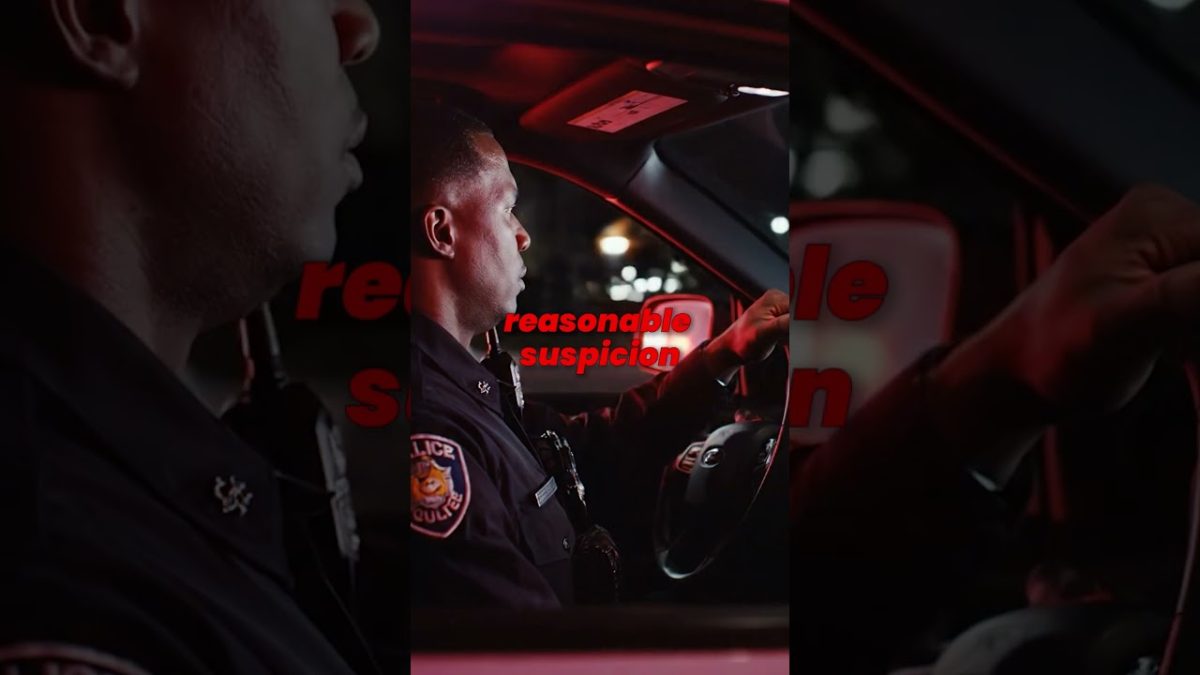
Getting pulled over by law enforcement in Frisco can be stressful. The flashing lights and sudden siren can make it hard to think clearly. Knowing your rights during a traffic stop is crucial to protect yourself and prevent legal complications. At L & L Law Group, we help drivers in Frisco and surrounding areas understand their rights and navigate these situations with confidence.

Why Knowing Your Rights Matters During a Traffic Stop

Many drivers are unaware of the legal boundaries during police interactions. This lack of knowledge can lead to self-incrimination or the loss of rights. Being informed helps you:

  • Protect Your Legal Standing: Know what you are required to do and say.

  • Prevent Escalation: Respond calmly and correctly to de-escalate tension.

  • Avoid Additional Charges: Proper conduct can prevent extra charges like resisting arrest or obstruction.

The Power of Legal Guidance in Securing a Successful Expungement

Key Rights and Actions During a Traffic Stop

Here’s what to do from the moment you see flashing lights until the stop ends:

1. Safe Pull-Over Procedures

  • Signal and Stop Safely: Pull over to the right shoulder or nearest safe spot.

  • Stay in Your Vehicle: Only exit if the officer instructs.

  • Keep Hands Visible: Hands should stay on the steering wheel or dashboard.

2. Your Documentation and Identification

  • Provide Required Documents: License, registration, and proof of insurance.

  • Inform Before Reaching: Example: “My registration is in the glove box; may I retrieve it?”

3. The Right to Remain Silent

  • No Obligation to Incriminate Yourself: You can remain silent beyond giving basic identification.

  • Exercise Your Right: Politely state, “I choose to exercise my right to remain silent.”

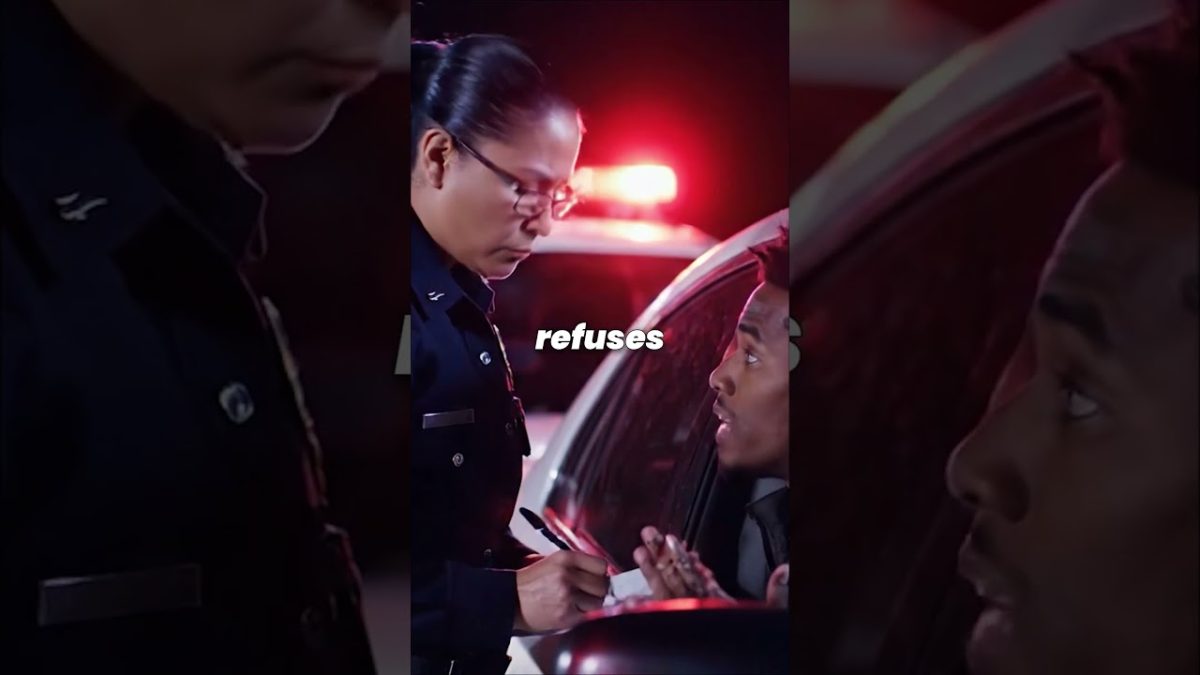
4. Refusing Vehicle Searches

  • Consent is Required: Officers need your consent, probable cause, or a warrant.

  • Clearly Refuse: “I do not consent to a search of my vehicle.”

  • Do Not Physically Resist: State your refusal verbally; it can help in court.

5. If You Are Detained or Arrested

  • Ask for Clarity: “Am I free to go?” to understand if you’re being detained.

  • Request an Attorney: “I would like to speak with an attorney.”

  • No Resistance: Never resist arrest, even if it seems unjust.

6. Documenting the Stop

  • Observe and Record: Badge number, patrol car, time, location, and reason for stop.

  • Passenger Recording: Passengers may record in some states—check local laws.

After the Traffic Stop: Your Next Steps

  • Traffic Ticket: Paying often counts as an admission of guilt; you can contest it in court.

  • Rights Violated: Contact a qualified attorney immediately.

  • DUI/DWI Charges: Require urgent legal defense; penalties are severe.

How L & L Law Group Protects Your Rights

At L & L Law Group, we specialize in traffic law and criminal defense in Frisco and Collin County. Our team provides:

  • Expert Legal Counsel: Understanding traffic laws and police procedures.

  • Aggressive Defense: Challenging improper stops and illegal searches.

  • Court Representation: Representing your interests in traffic and criminal cases.

Don’t let a traffic stop turn into a legal nightmare. Knowing your rights is your first defense.

Contact L & L Law Group today for a confidential consultation.

Section Title

Legal Defense Strategies For Grooming Allegations In Texas

Grooming allegations in Texas carry serious legal weight. These cases move fast. They also involve...
What To Know When Facing Continuous Sexual Abuse Charges In Texas?

Continuous sexual abuse charges in Texas are taken very seriously under state law. In fact, these...

Drug Trafficking Charges In Texas: Legal Risks And Defense Strategies

Drug trafficking charges in Texas cases place you on the front line of federal and state drug...

Penalties And Legal Defense Strategies For Texas Federal RICO Charges

Facing federal RICO charges feels like a nightmare. Although Congress created these laws to target...
What to Do If Facing Embezzlement Charges in Texas?

Facing embezzlement charges in Texas is a serious and often life-altering situation. These cases...
Simplifying Data Breach Liability Law And Your Legal Risks

In the current digital landscape, data breach liability law makes it clear that a breach is no...
What Impacts The Role Of DNA Evidence In Criminal Cases In Texas?

DNA evidence in criminal cases in Texas carries immense weight with modern juries, often viewed as...

Possession Of Prohibited Weapons In Texas: What You Need To Know?

Possession of prohibited weapons in Texas is taken very seriously under state law, even though Texas...

Tampering With Evidence Texas: Hidden Felony Risks And Defense Strategies

Facing accusations of tampering with evidence Texas can be overwhelming, especially when the...
Categories
Criminal Defense

Drug Court = Second Chance in Texas

Blog

Drug Court: Your Second Chance and Path to a Fresh Start

Reggie London

Reggie London

Facing a drug-related charge in Frisco, Texas, can feel overwhelming, with the threat of jail time, heavy fines, and a permanent criminal record looming large. You might feel like you’re out of options. But there’s a vital alternative in the Texas judicial system designed specifically for rehabilitation over punishment: the Texas Drug Court program.

At L & L Law Group, we know that one mistake shouldn’t define your entire future. The Drug Court program offers a second chance to eligible individuals, focusing on long-term sobriety and successful reintegration into the Frisco community.

What is the Texas Drug Court Program?

The Texas Drug Court is not a traditional courtroom. It is a specialized, intensive, court-supervised treatment program designed for individuals with substance use disorders whose addiction is connected to their non-violent criminal offense.

Unlike the traditional criminal process that focuses solely on punishment, the Drug Court model recognizes addiction as a disease and focuses on a therapeutic approach. This is an incredible opportunity for eligible Frisco residents to avoid the devastating consequences of a conviction.

Key Features of a Texas Drug Court

  • Treatment Over Incarceration: The primary goal is rehabilitation and sustained recovery.

  • Intensive Supervision: Participants engage in frequent, mandatory check-ins with the Drug Court Judge, community supervision officers, and treatment providers.

  • Regular Testing: Frequent and random drug and alcohol testing is required to monitor abstinence.

  • Support Services: Programs include clinical treatment, counseling, job training, and educational support.

  • A Collaborative Team: A judge, prosecutor, defense attorney, probation officer, and treatment provider all work together to support the participant’s success.

How the Texas Penal Code Shapes Sex Offense Cases?

The Life-Changing Benefits of Drug Court for Frisco Residents

Successfully completing a Texas Drug Court program offers benefits that far outweigh the temporary inconvenience of the rigorous schedule. For anyone facing drug charges in Frisco, these benefits represent a truly second chance:

1. Avoiding a Criminal Conviction and Jail Time

This is often the most significant benefit. For many participants, successful graduation from the program leads to:

  • Dismissal of Criminal Charges: If you enter the program through a Pre-Trial Diversion model, the charges can be dropped entirely upon completion.

  • No Jail or Prison Sentence: Instead of incarceration, you receive necessary treatment.

2. Mandatory Non-Disclosure of Your Record

In Texas, successful completion of a Drug Court program often mandates an automatic Order of Non-Disclosure. This means your criminal record related to that offense will be sealed from the public, effectively giving you a clean slate.

  • Impact on Future: This “sealed” record will not show up on most background checks, removing major barriers to:

    • Employment: Access better job opportunities.

    • Housing: Improve your chances of securing an apartment or home.

    • Education: Allow you to pursue degrees and vocational training without stigma.

3. Lower Recidivism (Less Chance of Re-Offending)

Drug Courts work. Studies consistently show that participants who successfully complete the program have a significantly lower rate of re-arrest compared to those sentenced through the traditional system. The intensive treatment addresses the root cause of the criminal behavior, leading to lasting life changes.

Your Frisco Criminal Lawyer is Key to Drug Court Success

Entering the Texas Drug Court is a multi-step legal process that requires negotiation with prosecutors and presentation to a Drug Court Team. You should not try to do this alone.

As a dedicated Frisco criminal defense attorney, [Your Law Firm Name] can:

  • Assess Eligibility: Quickly determine if your specific charge and history qualify you for the program.

  • Advocate for Your Placement: Negotiate with the prosecutor and present a compelling case to the Drug Court Team for your entry.

  • Protect Your Rights: Ensure your due process rights are protected throughout the program.

  • Guide You to Non-Disclosure: Handle all the legal steps necessary to ensure your records are sealed upon successful graduation.

The Texas Drug Court truly offers a path to redeem your future. If you are facing drug charges in Frisco or Collin County, don’t settle for the traditional, punitive route. Let us help you fight for the second chance you deserve.

Your Frisco Criminal Lawyer is Key to Drug Court Success

Entering the Texas Drug Court is a multi-step legal process that requires negotiation with prosecutors and presentation to a Drug Court Team. You should not try to do this alone.

As a dedicated Frisco criminal defense attorney, L & L Law Group can:

  • Assess Eligibility: Quickly determine if your specific charge and history qualify you for the program.

  • Advocate for Your Placement: Negotiate with the prosecutor and present a compelling case to the Drug Court Team for your entry.

  • Protect Your Rights: Ensure your due process rights are protected throughout the program.

  • Guide You to Non-Disclosure: Handle all the legal steps necessary to ensure your records are sealed upon successful graduation.

The Texas Drug Court truly offers a path to redeem your future. If you are facing drug charges in Frisco or Collin County, don’t settle for the traditional, punitive route. Let us help you fight for the second chance you deserve.

Ready to Explore Your Second Chance?

If you or a loved one is facing a drug charge in Frisco, Plano, or anywhere in Collin County, contact the experienced team at L & L Law Group today for a confidential consultation.

Section Title

Legal Defense Strategies For Grooming Allegations In Texas

Grooming allegations in Texas carry serious legal weight. These cases move fast. They also involve...

What To Know When Facing Continuous Sexual Abuse Charges In Texas?

Continuous sexual abuse charges in Texas are taken very seriously under state law. In fact, these...

Drug Trafficking Charges In Texas: Legal Risks And Defense Strategies

Drug trafficking charges in Texas cases place you on the front line of federal and state drug...

Penalties And Legal Defense Strategies For Texas Federal RICO Charges

Facing federal RICO charges feels like a nightmare. Although Congress created these laws to target...

What to Do If Facing Embezzlement Charges in Texas?

Facing embezzlement charges in Texas is a serious and often life-altering situation. These cases...

Simplifying Data Breach Liability Law And Your Legal Risks

In the current digital landscape, data breach liability law makes it clear that a breach is no...

What Impacts The Role Of DNA Evidence In Criminal Cases In Texas?

DNA evidence in criminal cases in Texas carries immense weight with modern juries, often viewed as...

Possession Of Prohibited Weapons In Texas: What You Need To Know?

Possession of prohibited weapons in Texas is taken very seriously under state law, even though Texas...

Tampering With Evidence Texas: Hidden Felony Risks And Defense Strategies

Facing accusations of tampering with evidence Texas can be overwhelming, especially when the...
Categories
Criminal Defense

What Are the Penalties for Sex Crimes in Dallas Fort Worth?

Blog

What Are the Penalties for Sex Crimes in Dallas Fort Worth?

Reggie London

Reggie London

Penalties for Sex Crimes in Dallas Fort Worth

Sex crime allegations carry severe consequences that can alter your life permanently. In Dallas Fort Worth, the legal system treats these offenses with extreme seriousness. A conviction can result in mandatory sex offender registration, loss of employment opportunities, destroyed relationships, and a tarnished reputation that follows you for decades.

The complexity of Texas laws surrounding sexual offenses requires experienced legal guidance. This comprehensive guide breaks down the penalties, classifications, and long-term consequences of sex crime convictions in Dallas Fort Worth. Let’s explore what you need to know about sex crime penalties and how the right legal representation can protect your future.

Understanding Sex Crime Classifications in Texas

Texas law categorizes sex crimes into multiple levels based on severity, victim age, and circumstances. These classifications directly impact the penalties you may face. Most sex crimes in Dallas Fort Worth are charged as felonies rather than misdemeanors.

Felony Offense Categories

First-Degree Felonies:

  • Prison sentence: 5 to 99 years
  • Maximum fine: $10,000
  • Most serious sex crime category

Second-Degree Felonies:

  • Prison sentence: 2 to 20 years
  • Maximum fine: $10,000
  • Includes standard sexual assault cases

Third-Degree Felonies:

  • Prison sentence: 2 to 10 years
  • Maximum fine: $10,000
  • Lesser sex crime offenses

Misdemeanor Offense Categories

Class A Misdemeanors:

  • Jail time: Up to 1 year in county jail
  • Maximum fine: $4,000

Class B Misdemeanors:

  • Jail time: Up to 180 days
  • Maximum fine: $2,000

A qualified crime attorney in Dallas Fort Worth understands these distinctions. They know how prosecutors classify charges based on case specifics.

Defense Attorney

Aggravating Factors

Certain circumstances can elevate charges and result in enhanced penalties. When the victim is under 14 years of age, charges often increase. Use of force or violence during the offense leads to harsher sentencing. Multiple victims involved in the case typically result in consecutive sentences. A position of authority over the victim serves as an aggravating factor. Previous sex crime convictions dramatically increase penalties. Commission of the crime in a school zone adds years to potential sentences.

Prison Sentences for Major Sex Crimes

Incarceration terms vary widely depending on the specific offense charged. The circumstances surrounding each case play a crucial role in sentencing outcomes.

Sexual Assault Penalties

Sexual assault is typically charged as a second-degree felony. Standard penalties include 2 to 20 years in state prison. Fines can reach up to $10,000. Mandatory sex offender registration accompanies virtually every conviction. If aggravating factors exist, charges may be elevated to a first-degree felony. A defense attorney with experience in Dallas Fort Worth cases understands how to challenge evidence effectively.

Aggravated Sexual Assault Penalties

This represents one of the most serious sex crimes prosecuted in Texas. Penalties include 5 to 99 years or life in prison. Fines can reach up to $10,000. No possibility of deferred adjudication exists for this offense. Lifetime sex offender registration becomes mandatory upon conviction. The Texas legal system provides no leniency for aggravated sexual assault.  

Indecency with a Child Penalties

This offense involves sexual contact or exposure with a minor under 17 years old. Two categories exist under Texas law. Indecency with a child by contact is charged as a second-degree felony. This results in 2 to 20 years in prison. Fines can reach up to $10,000. Indecency with a child by exposure is classified as a third-degree felony. This carries 2 to 10 years in prison. Both offenses require sex offender registration.

Continuous Sexual Abuse of a Child Penalties

This charge applies when someone commits two or more sexual acts against a child under 14. The acts must occur over a 30-day period. This carries a mandatory minimum sentence of 25 years. The maximum sentence reaches 99 years in prison. No parole eligibility exists for this offense. If released, lifetime supervision applies. The severity of these penalties makes having a skilled defense attorney essential.

Financial Penalties and Associated Costs

Beyond incarceration, sex crime convictions in Dallas Fort Worth carry substantial financial consequences. These costs can devastate families for years.

Court-imposed fines reach up to $10,000 for all felony sex crimes. Class A misdemeanors carry fines up to $4,000. Class B misdemeanors can result in $2,000 fines. However, these court-ordered fines represent only a fraction of the total financial burden.

Offense Level Maximum Fine
First-Degree Felony
$10,000
Second-Degree Felony
$10,000
Third-Degree Felony
$10,000
Class A Misdemeanor
$4,000
Class B Misdemeanor
$2,000

Additional Financial Burdens

Convicted individuals face numerous ongoing expenses. Attorney fees and court costs accumulate quickly. Annual sex offender registration fees continue indefinitely. Supervision fees during probation or parole add monthly expenses.

Mandatory counseling and treatment program costs run into thousands of dollars. Civil lawsuit damages often follow criminal convictions. Lost wages and permanently damaged employment opportunities create additional hardship. Working with an experienced defense attorney can help minimize these financial burdens.

Sex Offender Registration Requirements

Texas maintains one of the strictest sex offender registration systems in the nation. Compliance failures result in additional felony charges.

Registration periods vary based on offense severity and victim age. Standard sex offenses require a minimum of 10 years registration. Aggravated offenses and crimes against children mandate lifetime registration. Repeat offenders face permanent registration requirements with no possibility of removal.

Offense Type Registration Duration
Standard Sex Offense
10 years minimum
Aggravated Offense
Lifetime
Offense Against Child
Lifetime
Repeat Offender
Lifetime
Sexually Violent Predator
Lifetime

Registration Obligations

Registered sex offenders in Dallas Fort Worth must report to local law enforcement within 7 days of moving. They must update information annually or after any change. Current photographs must be provided regularly.

All internet identifiers and email addresses require reporting. Employment and vehicle information must be disclosed. Residence restrictions prohibit living within 1,000 feet of schools or parks in most cases.

Failure to register properly constitutes a separate felony offense. This can result in additional prison time ranging from 2 to 10 years. A defense attorney can sometimes negotiate charges that don’t require registration.

Probation and Community Supervision Options

Some sex crime convictions result in probation rather than immediate prison time. However, conditions are exceptionally strict. Standard probation conditions include regular meetings with probation officers. Random drug and alcohol testing occurs frequently. Mandatory sex offender treatment programs are required. Prohibited contact with victims or minors is strictly enforced.

Electronic monitoring or GPS tracking allows authorities to monitor movements constantly. Curfew restrictions limit when individuals can leave home. Employment requirements mandate steady work. Limitations on internet or social media access create significant lifestyle restrictions. Probation terms typically range from 5 to 10 years for felony sex crimes.

Long-Term Consequences Beyond Legal Penalties

A sex crime conviction creates lasting impacts that extend well beyond court-ordered penalties. These affect virtually every aspect of life.

Employment and Career Impact

Employment difficulties arise immediately upon conviction. Background checks reveal convictions to potential employers. Professional licenses are often revoked permanently. Entire career fields become permanently inaccessible. Teaching positions become impossible to obtain. Healthcare careers are eliminated. Childcare work is prohibited. Positions requiring trust or authority are unavailable. Military service disqualification occurs automatically. Limited job opportunities create long-term financial instability.

Housing Restrictions

Housing options become severely limited in Dallas Fort Worth. Being prohibited from living near schools or parks eliminates most residential neighborhoods. Landlords routinely deny rental applications. Public housing assistance becomes unavailable. Many face eviction from current residences. The limited housing options often force individuals into isolated areas. These areas are far from family, employment, and support systems.

Personal and Social Consequences

Personal relationships suffer devastating damage. Family relationships become strained or severed. Loss of child custody or visitation rights occurs frequently. Public stigma creates intense social isolation. Restrictions from volunteer opportunities limit community involvement. Difficulty obtaining loans or credit compounds financial challenges. These consequences create profound emotional and psychological hardship.

Civil Liability

Victims can file separate civil lawsuits seeking monetary damages. These lawsuits proceed independently from criminal cases. Medical expenses can be claimed. Therapy and counseling costs add up quickly. Lost wages become part of damage calculations. Pain and suffering damages can be substantial. Emotional distress claims often succeed. These lawsuits can result in financial judgments that last for decades.

How Prosecutors Determine Charges and Penalties?

Prosecutors in Dallas Fort Worth evaluate multiple factors when deciding charges. They consider what penalties to seek against defendants. Evidence quality and quantity drive charging decisions. Victim testimony and credibility play a major role. Physical evidence like DNA and medical examinations strengthens cases. Digital evidence including texts and emails provides documentation.

Witness statements corroborate or contradict allegations. The defendant’s criminal history influences charging severity. The specific circumstances of the alleged offense determine charge levels. Location, victim age, and use of force all factor into decisions. Prosecutorial discretion grants significant power in these cases.

Defense Attorney

Defense Strategies That Impact Penalties

The right legal approach can significantly affect case outcomes and penalties. Various defense strategies exist depending on case circumstances.

Common Defense Approaches

Evidence Challenges:

  • Challenging evidence admissibility through constitutional arguments
  • Identifying illegal searches and seizures
  • Exposing chain of custody problems

Witness Credibility Issues:

  • Questioning witness credibility by exposing inconsistencies
  • Revealing bias or motivation to lie
  • Demonstrating memory problems

Alternative Explanations:

  • Demonstrating mistaken identity through alibi evidence
  • Presenting scientific analysis that contradicts allegations
  • Highlighting procedural violations by law enforcement

Importance of Early Representation

Securing a defense attorney immediately after arrest provides substantial advantages. Constitutional rights receive protection from the start. Self-incrimination during police interrogation is prevented. Immediate investigation and evidence preservation begin right away.

Strategic case planning starts from day one. Better plea negotiation opportunities exist early in the process. Many cases in Dallas Fort Worth are resolved more favorably with strong legal representation from the beginning.

Defense Attorney

Plea Bargains and Sentence Negotiations

Most sex crime cases are resolved through plea agreements rather than trials. This makes negotiation skills essential for defense attorneys. Potential plea outcomes include reduced charges with lesser penalties. Deferred adjudication may be available for eligible offenses. Reduced prison time can be negotiated. Probation instead of incarceration becomes possible. Elimination of sex offender registration requirements represents a significant victory.

Determining when to accept a plea deal requires careful evaluation. A skilled defense attorney analyzes the strength of the prosecution’s evidence. The likelihood of conviction at trial must be assessed. The potential trial sentence versus the plea sentence requires comparison. Collateral consequences of conviction weigh heavily in decisions. Registration requirements and employment impacts affect long-term outcomes.

Post-Conviction Relief Options

Even after conviction, legal options may exist to reduce penalties or clear records. However, opportunities are limited in sex crime cases. Appeals provide one avenue for challenging convictions. Grounds for appeal include insufficient evidence to support the verdict. Improper jury instructions that confused jurors can be challenged. Prosecutorial misconduct during trial may warrant reversal.

Ineffective assistance of counsel provides grounds for appeal. Constitutional rights violations require correction. Successfully appealing a sex crime conviction requires identifying specific legal errors. Appellate courts must be persuaded that these errors affected the outcome. Expungement and non-disclosure options are severely limited for sex crime convictions in Texas. Some cases may qualify for non-disclosure orders that seal records from public view.

Final Verdict

Sex crime penalties in Dallas Fort Worth represent some of the harshest consequences in the nation. Prison sentences, mandatory registration, financial penalties, and lifelong restrictions combine to devastate lives permanently. Your choice of legal representation will significantly impact your future if you’re facing sex crime allegations. L & L Law Group provides experienced defense representation to protect your rights and fight for the best possible outcome in your case.

Experience with sex crime cases specifically is crucial. These cases involve unique legal issues and defense strategies. A proven track record of favorable outcomes demonstrates competence and effectiveness. Knowledge of local courts and prosecutors provides strategic advantages.

Frequently Asked Questions

Q1: Can sex crime charges be dropped in Dallas Fort Worth?

Yes, sex crime charges can be dropped under certain circumstances. If evidence is insufficient, prosecutors may dismiss charges. When the alleged victim recants or refuses to cooperate, cases often fall apart. A defense attorney who successfully challenges the prosecution’s case increases dismissal chances. However, prosecutors rarely dismiss sex crime charges without significant legal pressure. Having an experienced defense attorney substantially increases the chances of charge dismissal or reduction.

Q2: Will I automatically have to register as a sex offender if convicted?

Most sex crime convictions in Dallas Fort Worth carry mandatory sex offender registration requirements. However, some lesser charges may not require registration. Skilled defense attorneys sometimes negotiate plea agreements that eliminate registration requirements. The specific offense affects registration mandates. Victim age plays a role in registration requirements. Plea negotiation determines whether registration becomes mandatory. This represents one of the most important aspects your defense attorney should prioritize.

Q3: How long does a sex crime case take in Dallas Fort Worth?

Sex crime cases typically take 6 months to 2 years to resolve. Case complexity affects timelines significantly. Evidence volume determines how long investigation takes. Whether the case goes to trial extends the process considerably. Simple cases with clear evidence may resolve quickly through plea agreements. Complex cases involving multiple victims require more time. Extensive digital evidence needs thorough analysis. Trial preparation and court scheduling can extend timelines significantly.

Q4: Can I be convicted of a sex crime without physical evidence?

Yes, convictions can occur based solely on victim testimony. Texas law allows juries to convict defendants without physical evidence like DNA. Cases without corroborating physical evidence are generally easier to defend. An experienced defense attorney in Dallas Fort Worth can challenge witness credibility effectively. Exposing inconsistencies in testimony creates reasonable doubt. Presenting alternative explanations helps juries question allegations. However, victim testimony alone can support conviction if jurors find it credible.

Q5: What should I do immediately after being accused of a sex crime?

Immediately contact a defense attorney before speaking with police or investigators. Do not provide any statements, explanations, or denials without legal representation present. Anything you say can be used against you in court. This remains true even if you believe it helps your case. Preserve all relevant evidence including text messages, emails, and social media communications. Follow your attorney’s advice precisely. Avoid contact with the alleged victim or witnesses. Early legal intervention provides the best opportunity for favorable case resolution.

Section Title

Legal Defense Strategies For Grooming Allegations In Texas

Grooming allegations in Texas carry serious legal weight. These cases move fast. They also involve...

What To Know When Facing Continuous Sexual Abuse Charges In Texas?

Continuous sexual abuse charges in Texas are taken very seriously under state law. In fact, these...

Drug Trafficking Charges In Texas: Legal Risks And Defense Strategies

Drug trafficking charges in Texas cases place you on the front line of federal and state drug...

Penalties And Legal Defense Strategies For Texas Federal RICO Charges

Facing federal RICO charges feels like a nightmare. Although Congress created these laws to target...

What to Do If Facing Embezzlement Charges in Texas?

Facing embezzlement charges in Texas is a serious and often life-altering situation. These cases...

Simplifying Data Breach Liability Law And Your Legal Risks

In the current digital landscape, data breach liability law makes it clear that a breach is no...

What Impacts The Role Of DNA Evidence In Criminal Cases In Texas?

DNA evidence in criminal cases in Texas carries immense weight with modern juries, often viewed as...

Possession Of Prohibited Weapons In Texas: What You Need To Know?

Possession of prohibited weapons in Texas is taken very seriously under state law, even though Texas...

Tampering With Evidence Texas: Hidden Felony Risks And Defense Strategies

Facing accusations of tampering with evidence Texas can be overwhelming, especially when the...
Categories
Criminal Defense

Best Way to Get Probation on a Drug Case: Texas Legal Guide

Blog

Best Way to Get Probation on a Drug Case: Texas Legal Guide

Reggie London

Reggie London

Juvenile Be Tried as an Adult in Texas

Facing a drug charge in Texas can be overwhelming. Many people ask: “What’s the best way to get probation on a drug case?” The answer depends on your case, the judge, and how you handle your defense. Probation is not guaranteed, but there are steps you can take to increase your chances.

What is Probation in a Drug Case?

Probation, also called community supervision, is a court-ordered period during which a defendant avoids jail by following strict rules. In drug cases, probation often includes:

  • Regular drug testing

  • Counseling or treatment programs

  • Check-ins with a probation officer

  • Community service or educational programs

Probation gives defendants a chance to avoid incarceration while demonstrating responsibility and rehabilitation.

Why Probation May Be Your Best Option

For many Texans, probation is the most practical alternative to jail. It allows you to:

  • Keep your job

  • Maintain family responsibilities

  • Avoid the long-term consequences of incarceration

  • Show the court you are taking your rehabilitation seriously

Courts are often more willing to grant probation if you can prove you’re committed to change and follow the law.

Best Ways to Get Probation on a Drug Case in Texas

Here are the most effective strategies:

1. Hire an Experienced Criminal Defense Attorney

An attorney familiar with Texas drug laws can:

  • Negotiate with the prosecutor for probation

  • Highlight your clean record or mitigating circumstances

  • Ensure all court filings and documents are accurate

A strong lawyer can make a big difference in whether probation is granted.


2. Complete a Drug Treatment Program

Courts look favorably on defendants who:

  • Voluntarily enter rehab programs

  • Attend counseling sessions

  • Participate in drug education or recovery programs

Showing initiative demonstrates responsibility and commitment to change.


3. Maintain a Clean Record

Even minor infractions can affect probation eligibility. Courts review:

  • Past criminal history

  • Current charges

  • Any probation violations

Demonstrating law-abiding behavior strengthens your case.


4. Show Evidence of Rehabilitation

Texas judges value tangible proof of positive change, such as:

  • Counseling certificates

  • Community service completion

  • Job stability or educational progress

Document everything—you want the court to see a pattern of responsibility.


5. Attend All Court Dates and Comply Fully

Missing a hearing or failing to follow court rules reduces your chance of probation. Always:

  • Appear on time

  • Dress appropriately

  • Follow all legal instructions

Compliance reflects your respect for the legal process.


6. Prepare a Personal Statement for the Judge

A clear, honest statement can make a strong impression. Focus on:

  • Owning responsibility for your actions

  • Steps taken toward rehabilitation

  • Commitment to follow probation conditions

Keep it sincere and professional.


Common Mistakes to Avoid

  • Waiting until the last minute to seek legal advice

  • Failing to show proof of rehabilitation efforts

  • Ignoring court instructions or deadlines

  • Assuming probation is automatic

Avoiding these mistakes can significantly improve your odds of probation.

Conclusion

The best way to get probation on a drug case in Texas is to demonstrate responsibility, take proactive steps toward rehabilitation, and work closely with an experienced attorney. By following these strategies, you increase your chances of avoiding jail and showing the court that you’re committed to a law-abiding future.

Section Title

Legal Defense Strategies For Grooming Allegations In Texas

Grooming allegations in Texas carry serious legal weight. These cases move fast. They also involve...

What To Know When Facing Continuous Sexual Abuse Charges In Texas?

Continuous sexual abuse charges in Texas are taken very seriously under state law. In fact, these...

Drug Trafficking Charges In Texas: Legal Risks And Defense Strategies

Drug trafficking charges in Texas cases place you on the front line of federal and state drug...

Penalties And Legal Defense Strategies For Texas Federal RICO Charges

Facing federal RICO charges feels like a nightmare. Although Congress created these laws to target...

What to Do If Facing Embezzlement Charges in Texas?

Facing embezzlement charges in Texas is a serious and often life-altering situation. These cases...

Simplifying Data Breach Liability Law And Your Legal Risks

In the current digital landscape, data breach liability law makes it clear that a breach is no...

What Impacts The Role Of DNA Evidence In Criminal Cases In Texas?

DNA evidence in criminal cases in Texas carries immense weight with modern juries, often viewed as...

Possession Of Prohibited Weapons In Texas: What You Need To Know?

Possession of prohibited weapons in Texas is taken very seriously under state law, even though Texas...

Tampering With Evidence Texas: Hidden Felony Risks And Defense Strategies

Facing accusations of tampering with evidence Texas can be overwhelming, especially when the...
Categories
Criminal Defense

Why Do Cops Follow You for Miles? What It Really Means in Texas

Blog

Why Do Cops Follow You for Miles? The Real Reason Officers Trail Drivers

Reggie London

Reggie London

Car Search Laws in Texas

Imagine this: You’re driving, minding your own business, and a police car slides in behind you. One block… two blocks… two miles. No lights. No sirens. Just following.

Most drivers instantly panic. Did I do something wrong? Is this normal? Why is he following me?

Here’s the honest truth: cops don’t follow people for no reason. If an officer is behind you for a long stretch, it’s intentional, and it’s usually about one thing:

They’re watching you.

Is It Legal for a Cop to Follow You for Miles?

Yes. Police can drive anywhere the public can drive. They can follow any car, observe any driver, and move freely without giving an explanation. But here’s the part most people don’t know:

When an officer follows you for an extended distance, they’re not sightseeing.
They’re looking for reasonable suspicion.

Reasonable suspicion is a legal standard that allows officers to stop you if they believe you’re doing something wrong—even something small.

Why Would a Cop Follow You for So Long?

There are several common reasons:

  • They’re Running Your Plates
    This is the most common reason. While behind you, an officer may be checking:
    • – Registration status
    • – Expired plates
    • – Outstanding warrants
    • – Vehicle flags
    • – Past violations linked to the vehicle
    This can take a few minutes—and during that time, they stay behind you.
  • They’re Waiting for You to Mess Up
    Harsh but true. If a cop believes something “seems off,” they’ll wait for:
    • – Slight speeding
    • – Crossing a line
    • – Touching the shoulder
    • – Failure to signal
    • – Rolling through a stop
    Even the smallest mistake gives them legal grounds to pull you over.
  • You Matched a Vehicle Description
    If your car matches a BOLO (Be On the Lookout) alert:
    • – Same color
    • – Same model
    • – Same type
    • – Same general area
    They may trail you until they can confirm you’re not the suspect.
  • They Noticed Nervous Driving
    When drivers see a cop behind them, they often overcorrect:
    • – Sudden braking
    • – Driving too slow
    • – Constant lane checking
    • – Overuse of turn signals
    These behaviors can make officers even more suspicious.
  • They’re Positioning for a Traffic Stop
    Sometimes a cop wants to pull you over but is waiting for a safe location:
    • – Wider shoulder
    • – Better lighting
    • – Less traffic
    • – A spot with cameras
    So they follow you until the right moment.

Is a Cop Following You a Bad Sign?

Not necessarily, but it’s not random. Police rarely follow someone for miles without a purpose.

Here’s the rule most officers openly admit:

“If I’m behind you for a long time, I’m watching you for something.”

A police officer does not tail a driver accidentally. It is a deliberate act.

What Should You Do if a Cop Is Following You?

Stay calm and do these things:

1. Maintain the Speed Limit

Don’t slow to an unnatural speed. Drive normally and confidently.

2. Signal Early and Clearly

Use turn signals at least 3 seconds before turning or changing lanes.

3. Avoid Sudden Movements

Keep your driving smooth and predictable.

4. Don’t Stare at the Rearview Mirror

You’ll drive worse if you keep watching the officer.

5. Pull Into a Public Place (Optional)

If you feel uncomfortable:

  • A gas station

  • A grocery store

  • A lit parking lot

The officer may pass you, or if they stop you, you’re in a safer, visible location.

What If the Officer Never Pulls You Over?

If they follow you for miles and then turn away:

  • They didn’t find a reason to stop you

  • They confirmed your plates were clean

  • You didn’t commit any violation

  • You weren’t the vehicle they were looking for

You passed the test.

So Why Do Cops Follow You for Miles?

Because they’re evaluating you.

Police don’t waste time trailing drivers without a purpose.
If they stay behind you:

  • They’re observing

  • They’re looking for reasonable suspicion

  • They’re checking your plates

  • They’re waiting for a safe spot

  • They’re confirming you’re not a suspect

One thing is certain:

A cop doesn’t follow you by accident. If they’re behind you, they’re doing it intentionally, and they’re doing it for you.

Section Title

Legal Defense Strategies For Grooming Allegations In Texas

Grooming allegations in Texas carry serious legal weight. These cases move fast. They also involve...

What To Know When Facing Continuous Sexual Abuse Charges In Texas?

Continuous sexual abuse charges in Texas are taken very seriously under state law. In fact, these...

Drug Trafficking Charges In Texas: Legal Risks And Defense Strategies

Drug trafficking charges in Texas cases place you on the front line of federal and state drug...

Penalties And Legal Defense Strategies For Texas Federal RICO Charges

Facing federal RICO charges feels like a nightmare. Although Congress created these laws to target...

What to Do If Facing Embezzlement Charges in Texas?

Facing embezzlement charges in Texas is a serious and often life-altering situation. These cases...

Simplifying Data Breach Liability Law And Your Legal Risks

In the current digital landscape, data breach liability law makes it clear that a breach is no...

What Impacts The Role Of DNA Evidence In Criminal Cases In Texas?

DNA evidence in criminal cases in Texas carries immense weight with modern juries, often viewed as...

Possession Of Prohibited Weapons In Texas: What You Need To Know?

Possession of prohibited weapons in Texas is taken very seriously under state law, even though Texas...

Tampering With Evidence Texas: Hidden Felony Risks And Defense Strategies

Facing accusations of tampering with evidence Texas can be overwhelming, especially when the...