

Categories
Criminal Defense

Tips From a Federal Defense Attorney on Identity Theft

Blog

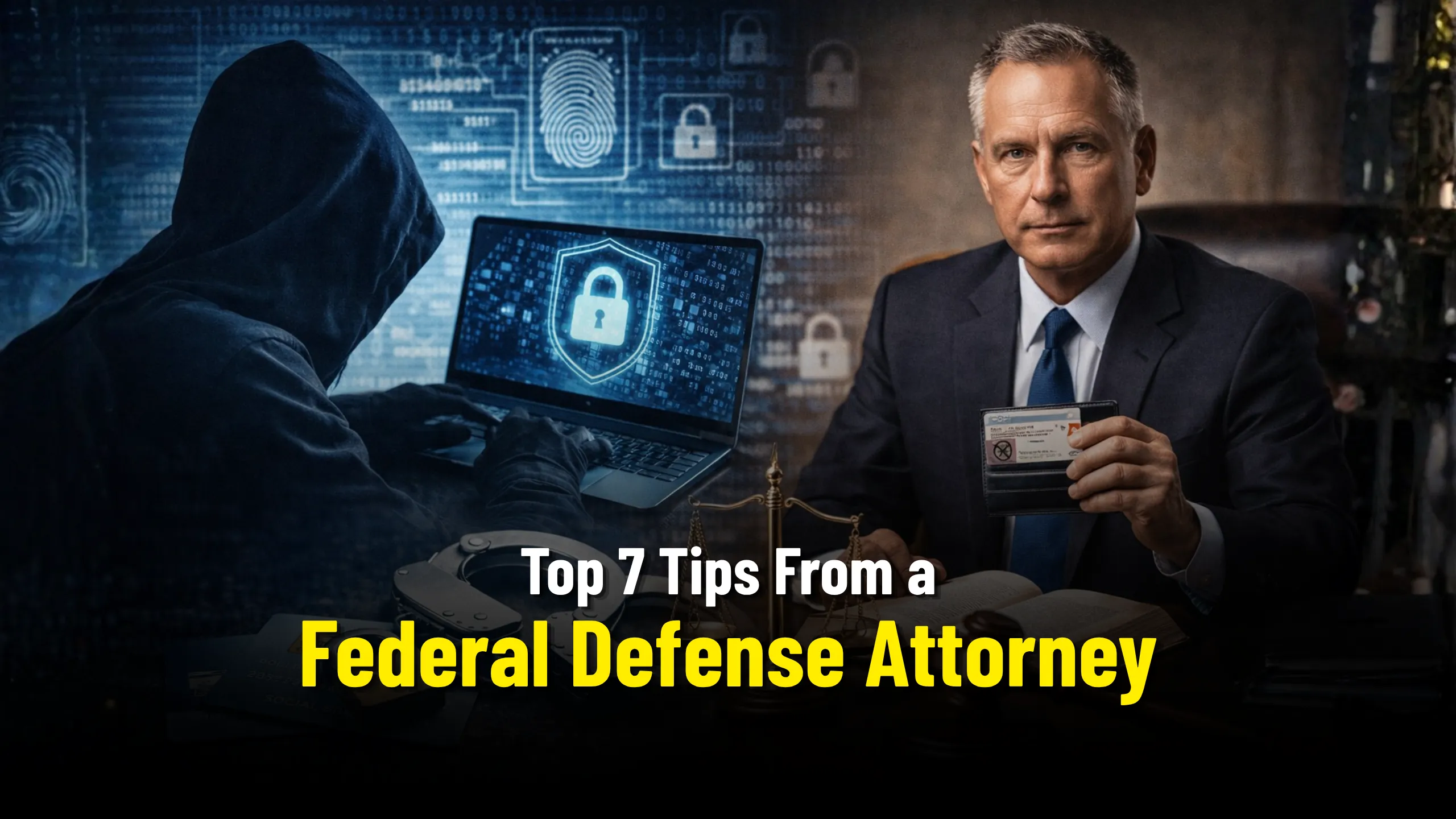
Top 7 Tips From a Federal Defense Attorney on Identity Theft

Reggie London

Reggie London

Top 7 Tips From a Federal Defense Attorney on Identity Theft

Identity theft is more than just an inconvenience; it’s a federal crime with serious consequences. In Dallas Fort Worth, both state and federal authorities take these cases seriously, and the penalties can include hefty fines, restitution, and even prison time. That’s why hearing advice directly from a federal defense attorney can be invaluable.

In this article, we’ll walk through seven essential tips from attorneys experienced in federal identity theft cases. Each tip includes practical examples and guidance tailored to Dallas Fort Worth residents, helping you protect your rights, respond appropriately if accused, and reduce potential legal risks.

Understanding Federal Identity Theft in Texas

Before diving into the tips, it’s important to understand how identity theft is treated under federal and Texas law.

Federal Law:

  • Covered under 18 U.S.C. § 1028, federal identity theft involves unauthorized use of another person’s personal information with the intent to commit fraud.
  • Penalties can reach up to 20 years in prison, especially for repeat offenders or large-scale schemes.

Texas State Law:

  • Identity theft is also a criminal offense under Texas statutes. Penalties depend on the number of items stolen and the value involved, ranging from state jail felonies to first-degree felonies.
Items Stolen Texas Penalty Classification Potential Prison Term Fine Cap
Less than 5
State Jail Felony
180 days–2 years
$10,000
5–10
Third-Degree Felony
2–10 years
$10,000
10–50
Second-Degree Felony
2–20 years
$10,000
50+
First-Degree Felony
5–99 years
$10,000

Example: In Dallas Fort Worth, recent federal cases have involved employees who misused client information, online account hacks, and schemes involving multiple victims. Each situation requires a different legal approach, which is why attorney advice is so critical.

Common Identity Theft Scenarios in Dallas Fort Worth

Understanding how identity theft typically occurs can help you recognize potential risks and take steps to protect yourself. In Dallas Fort Worth, identity theft can arise in a variety of situations, often involving both personal and professional settings. Some of the most common scenarios include:

  • Using a family member’s Social Security number or financial accounts without clear permission: Even seemingly minor use of a relative’s information, like making purchases or accessing bank accounts, can be considered identity theft if proper consent is not established.
  • Accessing company databases after leaving a job: Former employees who retain or access confidential client or company information without authorization may face serious legal consequences under both federal and state laws.
  • Sharing online credentials or account access without authorization: Many people share passwords for convenience, but unauthorized use of online accounts, including financial platforms, subscription services, or email accounts, can lead to identity theft charges if used for personal gain.
  • Managing an elderly relative’s finances without proper legal documentation: Acting on behalf of an elderly family member without clear authorization, such as a power of attorney or legal consent, can be interpreted as misusing personal information, which may be prosecuted under identity theft statutes.
  • Fraudulent applications or credit misuse: Applying for loans, credit cards, or government benefits using someone else’s information, even if you believe you are helping, can trigger federal investigations and serious charges.

Data breaches and hacking incidents: Unauthorized access to computer systems, email accounts, or other digital platforms, even without intent to steal money, can constitute identity theft if personal information is compromised.

Federal Defense Attorney

By understanding these scenarios, you can better recognize situations that may put you at risk and take appropriate preventive or legal measures. Awareness of common patterns of identity misuse is a critical first step in protecting your rights and preparing a strong defense if accusations arise.

Tip 1: Understand the Charges Clearly

The first piece of advice from a federal defense attorney is to fully understand the charges you’re facing. Federal and Texas laws differ significantly, and each charge has its own legal requirements.

Example: Someone accused of using a stolen credit card might think it’s a minor offense. In reality, if federal prosecutors pursue it, it could involve multiple charges, including wire fraud, aggravated identity theft, and conspiracy. Knowing this early helps you respond correctly.

Attorney Insight: Understanding the exact charges prevents missteps like making self-incriminating statements or unknowingly agreeing to a plea that’s harsher than necessary.

Tip 2: Keep Thorough Documentation

Attorneys consistently advise clients to keep detailed records. Documentation can include:

  • Bank and credit card statements
  • Emails, text messages, or correspondence showing authorization
  • Receipts or logs related to disputed transactions

Example: In one Dallas Fort Worth case, a client was wrongly accused of submitting fraudulent invoices. By presenting their personal email records and internal company communications, their attorney could clearly show the transactions were authorized, ultimately reducing penalties.

Attorney Insight: Even minor details can become critical evidence. Organized documentation strengthens your defense and may challenge the prosecution’s narrative.

Tip 3: Review Evidence Carefully

Evidence in identity theft cases can include financial records, digital communications, and witness statements. A federal defense attorney emphasizes the importance of careful evidence review.

Example: If the government relies on digital logs showing access to an online account, an attorney might examine timestamps, IP addresses, and permissions to demonstrate that access was legitimate.

Attorney Insight: Identifying mistakes or inaccuracies in evidence can be a game-changer. It’s not about denying facts but ensuring they are represented accurately.

Tip 4: Avoid Self-Incrimination

Another key tip is to avoid making statements that could be used against you. Even casual conversations with coworkers, bank representatives, or neighbors can inadvertently complicate a case.

Example: A client in Dallas Fort Worth spoke to a friend about an ongoing investigation, thinking it was harmless. Later, portions of that conversation were cited by prosecutors. Learning from this, attorneys advise clients to communicate only through legal counsel.

Attorney Insight: Silence and careful communication protect your rights and prevent accidental admissions that could be interpreted as guilt.

Tip 5: Explore All Legal Defenses

Federal defense attorneys evaluate all possible defenses to identify the best strategy. Common defenses include:

  • Lack of criminal intent: Proving you didn’t intend to commit fraud
  • Authorized use: Showing you had permission to use information
  • Mistaken identity: Demonstrating you were incorrectly identified

Example: A client who managed an elderly relative’s finances without formal paperwork successfully argued “authorized use” when a federal defense attorney presented prior verbal approvals and financial statements.

Attorney Insight: Carefully building legal defenses with supporting evidence can significantly reduce charges or even result in dismissal.

Tip 6: Understand Federal Sentencing Guidelines

Federal identity theft cases follow strict sentencing rules that consider:

  • Number of victims
  • Total financial loss
  • Prior criminal history

Example: In Dallas Fort Worth, one defendant’s attorney was able to negotiate a reduced sentence by demonstrating minor financial impact and lack of prior offenses, relying on local trends in federal sentencing.

Attorney Insight: Understanding guidelines helps set realistic expectations and allows for strategic plea negotiations or trial preparation.

Tip 7: Take Preventive Measures

Even if you haven’t been accused, federal defense attorneys advise steps to protect yourself from identity theft:

  • Regularly monitor credit reports and accounts
  • Use strong, unique passwords and two-factor authentication
  • Secure sensitive documents
  • Report suspicious activity promptly

Example: A Dallas Fort Worth resident noticed unusual credit card activity early. Acting immediately prevented a large financial loss and avoided a potential federal investigation.

Attorney Insight: Prevention not only protects your finances but also demonstrates responsible behavior if questioned by authorities.

How a Local Dallas Fort Worth Attorney Can Help?

Working with a local federal defense attorney in Dallas Fort Worth offers advantages that go beyond general legal knowledge. Attorneys familiar with the region understand the nuances of both federal and Texas law, which can be crucial in identity theft cases. Some key ways a local attorney can assist include:

  • In-depth knowledge of local federal prosecutors, judges, and court customs

A Dallas Fort Worth attorney knows how federal prosecutors typically approach identity theft cases, which judges are handling these matters, and how hearings are usually conducted. This insight allows for more strategic planning and effective representation.

  • Experience with regional case patterns

Local attorneys often recognize trends in identity theft cases within the area, including how similar cases have been prosecuted, common defenses that have worked, and factors that influence sentencing decisions. This experience helps tailor defense strategies to the realities of the Dallas Fort Worth legal system.

  • Effective advocacy during hearings and trials

Whether negotiating with prosecutors or presenting evidence in court, a local attorney can advocate confidently on your behalf. Their familiarity with courtroom procedures and local expectations enhances your chances of achieving favorable outcomes.

Federal Defense Attorney
  • Guidance tailored to both federal and Texas laws

Identity theft cases may involve overlapping state and federal statutes. Local attorneys ensure your defense addresses both levels of law appropriately, avoiding missteps that could compromise your case.

  • Strategic insight in sentencing and plea discussions

Federal guidelines allow for some discretion in sentencing, and local attorneys can leverage their knowledge of how judges in the region typically interpret these guidelines to negotiate better outcomes or minimize penalties.

Overall, a local Dallas Fort Worth attorney combines legal expertise with practical, region-specific knowledge. This combination can make a meaningful difference in navigating complex identity theft cases, ensuring that your defense is both strong and informed by local legal realities.

Conclusion

Identity theft charges are serious, but following guidance from a federal defense attorney can protect your rights and minimize potential penalties. Understanding your charges, keeping organized records, reviewing evidence, and exploring legal defenses are all steps that make a real difference in federal cases. In Dallas Fort Worth, having a knowledgeable attorney who knows local courts and procedures provides an added advantage. If you’re dealing with identity theft allegations, L & L Law Group can offer experienced guidance and strong representation throughout the process.

Frequently Asked Questions

What is the difference between state and federal identity theft charges?

State charges usually involve local cases, such as using someone’s information within the same city or county, and often relate to smaller amounts of money or fewer victims. Penalties under Texas law depend on the number of items stolen and the financial impact, ranging from state jail felonies to first-degree felonies. Federal charges, on the other hand, are used for larger schemes, cases that cross state lines, or situations involving multiple victims. Federal cases are typically investigated by agencies like the FBI or Department of Homeland Security, and penalties are stricter, with prison terms that can reach 20 years or more, plus heavy fines. Essentially, federal cases are considered more severe due to the scale and complexity of the crime.

How can an attorney help reduce charges?

A federal defense attorney can significantly influence the outcome of an identity theft case. They can:

  • Review evidence carefully to identify inconsistencies or mistakes that could weaken the prosecution’s case.
  • Spot procedural errors, such as improperly obtained digital records, which can be challenged in court.
  • Negotiate plea agreements to reduce charges or sentencing exposure, especially for first-time offenders or cases with minor financial impact.
  • Present legal defenses, like proving lack of criminal intent, demonstrating authorized use, or showing mistaken identity.

By combining these strategies, attorneys can often lower potential penalties and sometimes help clients avoid federal charges altogether.

What should I do if accused in Dallas Fort Worth?

If you are facing identity theft accusations in Dallas Fort Worth, the first step is to contact a federal defense attorney immediately. Avoid speaking to law enforcement, banks, or anyone else about the case without your attorney present. Preserve all documentation, emails, and transaction records related to the situation, as these can be critical for your defense. Acting quickly and following professional legal guidance helps protect your rights, prevents unintentional admissions, and allows your attorney to start building a strong defense strategy from the outset.

Can accidental misuse of information be prosecuted?

Yes, even unintentional misuse of someone else’s information can be prosecuted under both state and federal law. However, criminal intent must be proven for a conviction. A federal defense attorney can argue legal defenses such as:

  • Authorized use: You had explicit or implied permission to use the information.
  • Consent: The owner of the information allowed the action.
  • Mistaken identity: You were incorrectly accused.

These defenses can be particularly useful in Dallas Fort Worth cases where misunderstandings about consent or access are common.

Are digital records treated differently in federal cases?

Yes. In federal identity theft cases, digital evidence like emails, online account logs, banking records, and IP addresses is often crucial to proving or disproving intent. Federal prosecutors rely heavily on digital trails to build their case, while attorneys scrutinize these records for errors, omissions, or evidence of lawful access. Properly analyzing digital evidence can reveal inconsistencies that strengthen the defense and may even lead to charges being reduced or dismissed.

How long are federal identity theft sentences in Texas?

Sentencing depends on several factors, including:

  • Number of victims affected
  • Total financial loss
  • Prior criminal history

For smaller cases with limited impact, sentences may be relatively short, but large-scale identity theft can result in years or even decades of imprisonment under federal law. Fines and restitution may also be imposed. A federal defense attorney in Dallas Fort Worth can provide guidance on likely sentencing ranges, work to reduce exposure, and explore legal avenues to mitigate penalties.

Section Title

How To Identify And Avoid AI Scams In Texas, USA?

AI Scams in Texas are rising as cities like Frisco continue to grow and adopt new technology. The...
Legal Defense Strategies For Grooming Allegations In Texas

Grooming allegations in Texas carry serious legal weight. These cases move fast. They also involve...
What To Know When Facing Continuous Sexual Abuse Charges In Texas?

Continuous sexual abuse charges in Texas are taken very seriously under state law. In fact, these...

Drug Trafficking Charges In Texas: Legal Risks And Defense Strategies

Drug trafficking charges in Texas cases place you on the front line of federal and state drug...
Penalties And Legal Defense Strategies For Texas Federal RICO Charges

Facing federal RICO charges feels like a nightmare. Although Congress created these laws to target...
What to Do If Facing Embezzlement Charges in Texas?

Facing embezzlement charges in Texas is a serious and often life-altering situation. These cases...
Simplifying Data Breach Liability Law And Your Legal Risks

In the current digital landscape, data breach liability law makes it clear that a breach is no...
What Impacts The Role Of DNA Evidence In Criminal Cases In Texas?

DNA evidence in criminal cases in Texas carries immense weight with modern juries, often viewed as...

Possession Of Prohibited Weapons In Texas: What You Need To Know?

Possession of prohibited weapons in Texas is taken very seriously under state law, even though Texas...

Categories
Criminal Defense

Solicitation of Prostitution Arrest in Texas

Blog

What Happens After a Solicitation of Prostitution Arrest in Texas: Attorney Guidance?

Reggie London

Reggie London

Solicitation of Prostitution

Facing a charge for solicitation of prostitution in Texas can be a frightening and confusing experience. One moment, what might seem like a private decision — agreeing or offering to pay for sexual conduct can quickly spiral into serious criminal charges. This is especially true under the state’s current laws, which treat solicitation much more severely than in the past. If you are arrested in Texas and especially in a metro area like Dallas Fort Worth, knowing what comes next, what the stakes are, and how a qualified solicitation of prostitution attorney can help you navigate the aftermath can make a major difference to your future. In this blog, we walk you through the law, the possible outcomes, what to expect, and how an attorney helps you fight back.

Understanding Solicitation of Prostitution Under Texas Law

What is “Solicitation of Prostitution”?

Under Texas law, solicitation of prostitution occurs when a person knowingly offers or agrees to pay a fee to another person for the purpose of engaging in sexual conduct.  It’s important to note: the crime is complete the moment the offer or agreement is made. It does not require that sexual conduct actually occur — meaning police sting operations, undercover decoys, messages, payment offers, even online communication can lead to arrest.  This law was significantly updated in 2021 by the 87th Texas Legislature, making solicitation a felony rather than a misdemeanor.

Penalties — How Serious Can They Be?

Because solicitation is now a felony, the consequences can be severe. The exact penalty depends on factors such as prior convictions or whether the person solicited is under 18 (or believed to be under 18). 

Here is a summary:

Situation / Fact Offense Classification Possible Penalties*
First-time solicitation (adult, no aggravators)
State jail felony
180 days – 2 years in state jail; up to $10,000 fine
Prior conviction for solicitation / prostitution‑type offense
Third-degree felony
2 – 10 years in prison; up to $10,000 fine
Solicitation involving a person under 18 (or believed to be under 18)
Second‑degree felony (or enhanced felony)
2 – 20 years in prison; up to $10,000 fine
Solicitation near a school/school‑event location (enhancement zone)
Enhanced offense (felony)
Penalty elevated to the next highest felony category

* These penalties do not always reflect additional collateral consequences like sex-offender registration (in certain cases), damage to reputation, employment issues, or difficulties with housing or licensing.

Because of the felony classification, a conviction may follow someone for years. In a populated region such as Dallas Fort Worth, where law enforcement and prosecutors have both the resources and will to pursue solicitation cases aggressively, these laws are enforced strictly.

What Happens Immediately After Arrest: The Legal Process?

If you are arrested for solicitation of prostitution in Texas, here are the general steps that follow — and what they mean for you.

1. Detention & Booking

Once arrested (which might happen during a sting, undercover operation, online sting, or after an offer/payment), you are detained and booked. Police gather evidence — messages, cash, phone records, any payment proof, or other alleged indicia of solicitation.

2. Charges & Indictment / Information

Prosecutors review the evidence and decide whether to formally charge you under Texas Penal Code §43.021. As of 2021-2023, solicitation is treated as a felony. 

3. Bail / Bond / Pretrial Release

Given the seriousness (felony), bail amounts may be significant. Release may require appearances, bail bond, or strict conditions.

Solicitation of Prostitution Attorney

4. Pretrial Phase: Evidence Review & Defense Planning

This phase is critical. It’s when a defense attorney reviews whether the evidence is strong or flawed: Were procedures followed properly? Was there entrapment? Is the identification accurate? Could the alleged victim’s statements be challenged?

5. Plea Bargaining or Trial

Depending on evidence strength, the defense may negotiate a plea bargain (reduced charges, deferred adjudication, probation, reduced sentence) — or, if there’s a defensible case, push for trial.

6. Sentencing or Dismissal

If convicted or if a plea is accepted, sentencing includes jail/prison time, fines, possible registration requirements (in severe felonies), and other long-term repercussions. If dismissed or acquitted, records might still exist, but a good defense can reduce the risk of long-term harm.

Why Does Texas (Especially Dallas Fort Worth) Take Solicitation Very Seriously?

There are several reasons why solicitation of prostitution is treated so strictly now, and why areas like Dallas Fort Worth see aggressive enforcement.

  • Law change making solicitation a felony: As of September 1, 2021, the legislature reclassified solicitation under § 43.021 — shifting from a misdemeanor to a felony, even for first-time offenders.
  • Combatting human trafficking and exploitation: The tougher laws are part of a broader legislative and prosecutorial push to crack down on commercial sex exploitation and human trafficking.
  • High population density and high visibility: Large metro zones like Dallas Fort Worth witness more sting operations, undercover stings, and coordinated enforcement — leading to more arrests and prosecutions.
  • Aggressive prosecution and harsh sentencing guidelines: With statutory penalties that include jail/prison, fines, and felony records, prosecutors have a wide latitude to impose tough punishments.

Collectively, these factors mean that, if arrested, you are likely to face serious consequences unless you act quickly and carefully.

How a Solicitation of Prostitution Attorney Can Help You?

Facing a felony charge for solicitation can be overwhelming. This is where a skilled solicitation of prostitution attorney becomes essential. Here is how such an attorney helps:

Legal Analysis of the Case

A good attorney reviews all evidence: communications, messages, law enforcement conduct, potential entrapment, identification of parties, and whether your constitutional rights were respected (e.g., search and seizure law, due process).

Challenge Procedure or Evidence

Defense may challenge the legality of the arrest, the reliability of evidence (e.g., was it entrapment? Was the “offer” coerced? was there urgency or inducement?), or question the sufficiency of proof. In many cases, an offer or a message may not sufficiently prove “agreement” or “intent.”

Negotiation & Plea Deals

Even if evidence is strong, a skilled attorney may negotiate with prosecutors for reduced charges, probation instead of jail, deferred adjudication, or other mitigated outcomes — especially for first-time offenders or borderline cases.

Avoiding Felony Record or Sex‑Offender Consequences

Depending on circumstances (e.g., juvenile involvement, belief about age, enhancements, prior record), a felony conviction can bring life‑altering consequences such as sex‑offender registration, difficulty obtaining employment, loss of rights, or damage to reputation. A lawyer helps explore all options to avoid those outcomes or minimize them.

Representation in Court Proceedings

From bail hearings to indictment, pretrial motions, trial, sentencing, having representation helps ensure your side of the story is heard, procedures are followed, and your rights are protected throughout.

Managing Long‑Term Collateral Effects

Beyond jail or prison, a felony conviction for solicitation may impact employment, housing, immigration (if applicable), professional licenses, and social stigma. An attorney helps navigate these challenges: possibly sealing records, negotiating probation or diversion, or using other legal tools to protect your future.

In a region like Dallas Fort Worth, where courts, prosecutors, and law enforcement treat solicitation seriously, having this kind of defense is often the difference between a manageable outcome and a life‑altering conviction.

Solicitation of Prostitution Attorney

Key Considerations for Those Arrested in Dallas Fort Worth

If you are arrested in the Dallas Fort Worth area for solicitation of prostitution, it is essential to understand that the legal process is complex and the stakes are high. Here are some critical points to consider:

1. Arrest does not mean conviction

Being taken into custody is only the first step in a long legal process. An arrest is essentially an allegation; it does not automatically prove guilt. The charges can be challenged, reduced, or even dismissed depending on the circumstances. Your defense strategy, evidence review, and how you respond immediately after the arrest will significantly influence the outcome of your case.

2. Evidence may be weak or disputable

Many solicitation cases in Dallas Fort Worth originate from sting operations, undercover officers, or decoy communications. While these operations are designed to catch illegal activity, they can sometimes result in unclear or coerced “offers” or “agreements.” An experienced attorney can carefully review the evidence, identify inconsistencies, and challenge whether the law enforcement procedures were properly followed. Even minor mistakes in the collection or interpretation of evidence can be used to strengthen your defense.

3. First-time offense doesn’t guarantee leniency

With recent changes in Texas law, solicitation is treated as a felony even for first-time offenders. This means that simply being new to the legal system or having no prior criminal history does not automatically reduce your risk of serious penalties. Courts and prosecutors in Dallas Fort Worth are generally aware of the statutory minimums and felony classification, so leniency cannot be assumed.

4. Time is a critical factor

The sooner you secure a qualified solicitation of prostitution attorney, the better your chances of protecting your rights. Early representation allows your attorney to challenge improper evidence, negotiate with prosecutors, and explore diversion programs or plea deals. Delaying legal counsel can limit options and may lead to unfavorable outcomes that could have been avoided with timely action.

5. Long-term consequences extend beyond jail time

A conviction for solicitation can have far-reaching consequences beyond immediate fines or imprisonment. A felony record can affect your employment opportunities, professional licensing, housing applications, and personal relationships. In some cases, individuals may even face travel restrictions or mandatory registration requirements depending on the specifics of the case. Understanding these long-term impacts is essential in taking the right steps early in the legal process.

6. Do not assume the situation will resolve itself

It can be tempting to hope that charges will disappear or that the legal system will be lenient. However, Texas courts take solicitation seriously, and Dallas Fort Worth prosecutors are known for pursuing cases diligently. Treating the arrest lightly or failing to act can result in harsher penalties, reduced negotiation leverage, or missed opportunities to challenge the charges. Proactive legal guidance is critical from the outset.

Conclusion

A solicitation of prostitution arrest in Texas carries serious consequences under Texas Penal Code §43.021, including felony charges, potential jail or prison time, fines, and long-term impacts on your career and personal life. In Dallas Fort Worth, where enforcement is aggressive, having skilled legal representation is crucial to protecting your rights and navigating the complex legal system. If you or a loved one is facing a solicitation charge, L & L Law Group can provide strong guidance and advocacy. Their team of dedicated solicitation of prostitution attorneys understands local courts, law enforcement practices, and the strategies needed to challenge evidence, negotiate better outcomes, and minimize long-term consequences. With L & L Law Group on your side, you gain a partner focused on defending your rights and helping you pursue the best possible resolution.

Frequently Asked Questions

Does solicitation of prostitution in Texas require that sex actually occur to be charged?

No. In Texas, the crime of solicitation of prostitution is complete the moment a person knowingly offers or agrees to pay a fee for sexual conduct, regardless of whether the sexual act actually takes place. This means law enforcement can arrest someone based solely on communication, including text messages, online exchanges, phone calls, or in-person offers. The focus is on the agreement or offer itself, not the completion of sexual activity. Because of this, even preliminary or attempted arrangements can result in felony charges under Texas Penal Code §43.021.

What is the penalty range for a first-time solicitation arrest in Texas?

For a first offense of solicitation under Texas Penal Code §43.021, the charge is considered a state jail felony. The penalties for a conviction can include 180 days to 2 years in state jail, along with fines that can reach up to $10,000. In addition to jail and fines, defendants may face probation, court fees, or additional conditions imposed by the judge. Although first-time offenders might hope for leniency, the felony classification means consequences are serious, and early legal intervention is crucial to mitigating penalties or negotiating alternative outcomes.

Can prior convictions make a solicitation charge much worse?

Yes. If someone facing solicitation charges has prior convictions related to prostitution or similar offenses, the legal consequences become much more severe. A subsequent solicitation charge in Texas can escalate to a third-degree felony, which carries a potential prison sentence of 2 to 10 years and fines up to $10,000. Prior convictions also affect the likelihood of plea negotiations, as prosecutors are more likely to pursue maximum penalties. Therefore, having a history of related offenses significantly increases the stakes, making the role of a skilled solicitation of prostitution attorney essential to navigating the legal process effectively.

What if the person I solicited was under 18, or I believed they were under 18?

If the person involved is under 18, or even believed to be under 18, the solicitation charge can escalate to a second-degree felony. This elevates potential penalties to a prison sentence of 2 to 20 years, plus substantial fines. The law does not provide exceptions if the defendant claims they did not know the individual’s age; the belief or representation that the person is under 18 is enough to trigger harsher charges. In these cases, strong legal representation is critical to challenge evidence, review circumstances, and explore any available defenses.

Does hiring a solicitation of prostitution attorney guarantee my case will be dropped?

No attorney can guarantee that a case will be dropped, but hiring a qualified solicitation of prostitution attorney greatly improves your chances of a favorable outcome. A skilled lawyer can challenge the legality and reliability of evidence, raise procedural or constitutional defenses, evaluate potential entrapment, and negotiate with prosecutors for reduced charges, deferred adjudication, or alternative resolutions. Attorneys also guide clients through the court process, ensuring rights are protected at each stage. While results cannot be guaranteed, professional representation almost always leads to better outcomes than attempting to navigate the legal system alone.

Section Title

How To Identify And Avoid AI Scams In Texas, USA?

AI Scams in Texas are rising as cities like Frisco continue to grow and adopt new technology. The...

Legal Defense Strategies For Grooming Allegations In Texas

Grooming allegations in Texas carry serious legal weight. These cases move fast. They also involve...

What To Know When Facing Continuous Sexual Abuse Charges In Texas?

Continuous sexual abuse charges in Texas are taken very seriously under state law. In fact, these...

Drug Trafficking Charges In Texas: Legal Risks And Defense Strategies

Drug trafficking charges in Texas cases place you on the front line of federal and state drug...

Penalties And Legal Defense Strategies For Texas Federal RICO Charges

Facing federal RICO charges feels like a nightmare. Although Congress created these laws to target...

What to Do If Facing Embezzlement Charges in Texas?

Facing embezzlement charges in Texas is a serious and often life-altering situation. These cases...

Simplifying Data Breach Liability Law And Your Legal Risks

In the current digital landscape, data breach liability law makes it clear that a breach is no...

What Impacts The Role Of DNA Evidence In Criminal Cases In Texas?

DNA evidence in criminal cases in Texas carries immense weight with modern juries, often viewed as...

Possession Of Prohibited Weapons In Texas: What You Need To Know?

Possession of prohibited weapons in Texas is taken very seriously under state law, even though Texas...

Categories
Criminal Defense

Federal Human Trafficking Attorney Guidance for Charges

Blog

Federal Human Trafficking Attorney Guidance for Charges in Texas Courts

Reggie London

Reggie London

Federal Human Trafficking Attorney Guidance for Charges in Texas Courts

Facing federal charges related to human trafficking in Texas can be overwhelming, and having a Federal human trafficking attorney is essential to protect your rights. In the Dallas Fort Worth area, these cases involve complex federal statutes, serious penalties, and strict federal court procedures. Whether your case involves sex trafficking, labor trafficking, or interstate transport of victims, understanding the law and local court practices is critical. Experienced attorneys help evaluate your case, challenge evidence, and develop defense strategies to achieve the best possible outcome.

Understanding Federal Human Trafficking Charges in Texas

What Constitutes Federal Human Trafficking?

Human trafficking under federal law involves recruiting, transporting, or obtaining individuals through force, fraud, or coercion for labor or commercial sex. The main statutes are 18 U.S.C. §§ 1581–1594. Federal jurisdiction applies when crimes cross state lines, involve interstate commerce, or meet certain severity thresholds, which is common in Dallas Fort Worth cases.

It’s important to note that labor trafficking and sex trafficking are distinct under the law. Labor trafficking often involves compelling someone to work under exploitative conditions, while sex trafficking focuses on coercion for sexual purposes. Federal law takes both very seriously, and penalties reflect the severity of each offense.

Common Misconceptions About Federal Human Trafficking

  • It only happens to adults: Victims can be minors, and federal law provides enhanced penalties for trafficking minors.
  • It’s only about physical force: Coercion, fraud, or threats alone are sufficient to establish trafficking.
  • It’s rare in Texas: Dallas Fort Worth sees a steady number of federal trafficking prosecutions due to its population, transportation hubs, and commercial activity.

Understanding these nuances is essential before hiring a Federal human trafficking attorney to defend your case effectively.

Types of Federal Human Trafficking Charges

  1. Sex Trafficking: Coercing or transporting individuals for commercial sex.
  2. Labor Trafficking: Forcing individuals to work against their will through threats or fraud.
  3. Conspiracy Charges: Collaborating with others to commit trafficking crimes.
  4. Transport Across State Lines: Moving victims across state boundaries triggers federal prosecution.

In Dallas Fort Worth, cases may involve victims recruited locally or transported from other states. Attorneys familiar with regional federal courts know how to anticipate prosecution strategies and build defenses tailored to local conditions.

Penalties for Federal Human Trafficking in Texas

Federal human trafficking charges carry severe consequences. Penalties depend on the offense type, aggravating factors, and prior criminal history.

Offense Type Minimum Sentence Maximum Sentence Fine Potential
Sex Trafficking
15 years
Life imprisonment
Up to $250,000
Labor Trafficking
10 years
Life imprisonment
Up to $250,000
Conspiracy
5 years
20 years
Up to $250,000
Transport Across States
10 years
20 years
Up to $250,000

Federal Human Trafficking Statistics in Texas

Year Cases Filed Convictions Avg. Sentence (Years) Fine Amount ($)
2022
45
38
12
150,000
2023
52
44
14
175,000
2024
48
40
15
200,000

These figures highlight increased federal enforcement in Dallas Fort Worth, emphasizing the importance of securing experienced legal counsel early in the process.

How Federal Courts in Texas Handle Human Trafficking Cases?

Human trafficking cases in Texas that fall under federal jurisdiction are investigated and prosecuted with significant resources, often involving multiple federal agencies such as the FBI, the Department of Homeland Security (DHS), and federal prosecutors. These cases are treated very seriously, and the legal process is highly structured. The typical steps include:

Federal Human Trafficking Attorney

Grand Jury Indictment

Federal prosecutors present evidence to a grand jury, which determines whether there is sufficient cause to formally charge a defendant. This step is critical because it initiates the official federal case and can include multiple counts depending on the scope of the alleged trafficking activities.

Arraignment

During arraignment, the defendant is formally notified of the charges and enters a plea, such as guilty, not guilty, or no contest. This is also the stage where bail and release conditions may be determined.

Pretrial Motions

Before trial, defense attorneys may file motions to challenge the admissibility of evidence, question the legality of investigative procedures, or even request dismissal of certain charges. These motions can shape the trajectory of the case and sometimes result in reduced charges or alternative outcomes.

Trial

If the case proceeds to trial, both the prosecution and defense present evidence, call witnesses, and make legal arguments before a federal judge (and sometimes a jury). Federal trials follow strict procedural rules, and the presentation of evidence must comply with the Federal Rules of Evidence.

Sentencing

After a conviction, the judge applies federal sentencing guidelines to determine penalties, which can include lengthy prison terms, fines, or supervised release. Sentencing may also consider factors such as prior criminal history, the severity of the offense, and the impact on victims.

Importance of Early Legal Involvement

Federal courts in Dallas Fort Worth adhere strictly to procedural rules and evidentiary standards. Early involvement of an experienced federal human trafficking attorney is crucial. Skilled attorneys can identify weaknesses in the prosecution’s case, protect the defendant’s rights, and navigate the complex federal legal system from the outset.

Role of a Federal Human Trafficking Attorney in Dallas Fort Worth

A Federal human trafficking attorney plays a critical role in protecting the rights of individuals facing serious federal charges. Their services extend across multiple stages of the legal process, ensuring that defendants receive knowledgeable guidance and strong representation. Key responsibilities include:

Case Evaluation

Attorneys carefully review all charges, evidence, and case details to identify potential defenses. This includes analyzing witness statements, law enforcement reports, and any prior criminal history that could influence the case outcome.

Plea Guidance

Federal human trafficking cases carry severe penalties. Experienced attorneys advise clients on whether accepting a plea deal or proceeding to trial is in their best interest. They outline the risks and benefits of each option, helping clients make informed decisions.

Evidence Review

Attorneys meticulously examine the prosecution’s evidence to uncover procedural errors, violations of constitutional rights, or inadmissible information. This step can be crucial in challenging weak or improperly obtained evidence.

Court Representation

From preliminary hearings to trial, attorneys serve as the client’s advocate in court. They present arguments, cross-examine witnesses, and protect the defendant’s rights at every stage, ensuring fair treatment under the law.

Negotiations

Skilled attorneys often negotiate with prosecutors to reduce charges, minimize penalties, or secure alternative sentencing options when appropriate. These negotiations can significantly impact the overall outcome of a case.

Federal Human Trafficking Attorney

Local Expertise in Dallas Fort Worth

Attorneys familiar with the Dallas Fort Worth area bring invaluable insight into local court procedures, judicial tendencies, and regional law enforcement practices. This knowledge allows them to anticipate strategies used by prosecutors, adapt defense tactics effectively, and maximize the chances of a favorable resolution.

In federal human trafficking cases, having an attorney with both specialized expertise and local insight can make a decisive difference in protecting a client’s rights and achieving the best possible outcome.

Defenses in Federal Human Trafficking Cases

Common defenses include:

  • Lack of Knowledge: Defendant did not know that trafficking was occurring.
  • Duress or Coercion: Actions taken under immediate threats.
  • Entrapment: Defendant was induced to commit a crime by law enforcement.
  • Insufficient Evidence: Prosecution cannot meet its burden of proof.

Each defense requires a strategic approach tailored to federal statutes and local court practices.

Investigative Process and Evidence Handling

Federal investigations may include:

  • Surveillance and undercover operations.
  • Electronic monitoring and subpoenaed communications.
  • Witness interviews and depositions.

Attorneys review all evidence for procedural compliance, constitutional protections, and the potential for exclusion in court.

Common Missteps Defendants Make

  • Speaking to law enforcement without an attorney
  • Destroying or tampering with evidence
  • Not following legal guidance during pretrial hearings

Avoiding these errors preserves rights and strengthens the defense.

Impact on Immigration and Employment

Federal trafficking charges can have serious implications for non-U.S. citizens, including deportation or visa revocation. Employment may also be affected due to felony convictions. An experienced attorney in Dallas Fort Worth can address these concerns and advise on mitigating collateral consequences.

How to Choose the Right Federal Human Trafficking Attorney?

  • Look for experience in federal courts in Dallas Fort Worth.
  • Check past successes with trafficking cases.
  • Ensure personalized attention for your case.
  • Seek an attorney who can communicate complex legal issues clearly.

Selecting the right attorney early can significantly influence the outcome.

Preventing Missteps During Federal Cases

Clients should:

  • Avoid self-incrimination or unnecessary statements.
  • Maintain detailed records of all interactions.
  • Follow the attorney’s guidance carefully.

Resources for Victims and Families

While the blog targets defense, it’s valuable to note local resources:

  • Texas Department of Criminal Justice Victim Services.
  • Dallas Fort Worth Coalition Against Human Trafficking.
  • Federal Victim Assistance Programs.

This establishes local relevance and user value.

Conclusion

Facing federal human trafficking charges in Dallas Fort Worth requires a Federal human trafficking attorney who understands federal statutes and local court procedures. Skilled attorneys protect rights, review evidence, and develop a tailored defense strategy. Early legal intervention can make a significant difference in outcomes, whether negotiating a plea or preparing for trial. For anyone facing these serious charges, contacting L & L Law Group provides access to experienced counsel ready to defend clients effectively and navigate the complexities of federal court proceedings.

Frequently Asked Questions

What does a Federal human trafficking attorney do in Texas?

A Federal human trafficking attorney in Texas represents clients facing serious federal charges related to labor or sex trafficking. In Dallas Fort Worth, these attorneys are familiar with federal court procedures, judges’ preferences, and local prosecutorial strategies. They carefully review evidence, identify weaknesses in the prosecution’s case, and evaluate all potential defenses. Attorneys also negotiate plea agreements when appropriate, ensuring the best possible outcomes while protecting clients’ rights. Additionally, they advise on constitutional protections, guide clients through pretrial hearings, and advocate vigorously during trials if necessary. Their goal is to minimize penalties and secure a fair legal process at every stage.

Are human trafficking cases always federal in Texas?

Not all human trafficking cases in Texas fall under federal jurisdiction. Local or state authorities may handle cases that occur entirely within one county or lack elements such as interstate transport, coercion, or fraud. However, serious offenses, particularly those crossing state lines or involving federal statutes, are prosecuted federally. In Dallas Fort Worth, where trafficking networks may span multiple counties or states, federal courts are often involved. A skilled Federal human trafficking attorney evaluates the specific facts, determines the proper jurisdiction, and develops a defense strategy accordingly. This ensures clients receive appropriate representation whether the case is handled at the state or federal level.

How long can a federal human trafficking sentence be in Texas?

Sentences for federal human trafficking charges in Texas vary depending on the offense type, aggravating factors, and prior criminal history. Labor trafficking may result in 10 years to life imprisonment, sex trafficking carries 15 years to life, and conspiracy or interstate transport charges can range from 5 to 20 years. In addition to prison time, defendants may face fines up to $250,000. A Federal human trafficking attorney in Dallas Fort Worth can review evidence, challenge procedural errors, and negotiate plea agreements or sentencing alternatives. Their knowledge of federal sentencing guidelines and local court practices can significantly influence the length and severity of penalties.

Can a federal attorney reduce my sentence in Dallas Fort Worth?

Yes. A Federal human trafficking attorney can help reduce potential sentences by negotiating plea agreements, seeking alternative sentencing, or challenging improperly obtained evidence. In Dallas Fort Worth, attorneys familiar with local federal courts understand the strategies that may lead judges or prosecutors to consider reduced charges or lighter sentences. They can also present mitigating factors, such as cooperation with authorities or lack of prior convictions, to influence sentencing decisions. Early involvement of an experienced attorney ensures that all legal avenues are explored to minimize penalties while protecting the client’s constitutional rights and future opportunities.

Is Dallas Fort Worth common for human trafficking cases?

Yes. Dallas Fort Worth is a significant hub for human trafficking cases due to its population size, commercial activity, and extensive transportation networks. Trafficking often involves victims being recruited locally or transported from other regions, which increases federal court involvement. Experienced Federal human trafficking attorneys in the area are well-versed in how local prosecutors pursue cases, which judges are assigned, and how federal and state agencies coordinate investigations. Their local knowledge allows them to anticipate potential challenges, prepare strong defenses, and navigate the complexities of the Dallas Fort Worth legal system effectively.

Do all federal cases go to trial?

No. Many federal human trafficking cases are resolved through plea agreements rather than trials. Pleas may be negotiated to reduce charges, lessen penalties, or avoid a lengthy trial process. However, if evidence is disputed, or defenses such as duress, coercion, or entrapment apply, a trial may be necessary. A Federal human trafficking attorney in Dallas Fort Worth carefully evaluates the risks and benefits of going to trial versus accepting a plea. They prepare thorough defenses, represent clients in court, and negotiate with prosecutors to ensure that the client’s rights are protected and that the outcome is as favorable as possible.

Section Title

How To Identify And Avoid AI Scams In Texas, USA?

AI Scams in Texas are rising as cities like Frisco continue to grow and adopt new technology. The...

Legal Defense Strategies For Grooming Allegations In Texas

Grooming allegations in Texas carry serious legal weight. These cases move fast. They also involve...

What To Know When Facing Continuous Sexual Abuse Charges In Texas?

Continuous sexual abuse charges in Texas are taken very seriously under state law. In fact, these...

Drug Trafficking Charges In Texas: Legal Risks And Defense Strategies

Drug trafficking charges in Texas cases place you on the front line of federal and state drug...

Penalties And Legal Defense Strategies For Texas Federal RICO Charges

Facing federal RICO charges feels like a nightmare. Although Congress created these laws to target...

What to Do If Facing Embezzlement Charges in Texas?

Facing embezzlement charges in Texas is a serious and often life-altering situation. These cases...

Simplifying Data Breach Liability Law And Your Legal Risks

In the current digital landscape, data breach liability law makes it clear that a breach is no...

What Impacts The Role Of DNA Evidence In Criminal Cases In Texas?

DNA evidence in criminal cases in Texas carries immense weight with modern juries, often viewed as...

Possession Of Prohibited Weapons In Texas: What You Need To Know?

Possession of prohibited weapons in Texas is taken very seriously under state law, even though Texas...
Categories
Criminal Defense

Dallas Fort Worth DWI Lawyer

Blog

Dallas Fort Worth DWI Lawyer: Understanding Strict Penalties and Defense

Reggie London

Reggie London

Dallas Fort Worth DWI Lawyer

When it comes to driving while intoxicated (DWI), the region of Dallas Fort Worth stands out in Texas as particularly strict. This is not only because of state laws, but also due to rigorous enforcement, aggressive prosecution, and the high stakes of a DWI conviction in a densely populated and highly trafficked area. Understanding the legal framework, potential penalties under the law, and how a DWI lawyer can help is crucial, whether you are simply trying to avoid a conviction or seeking to minimize the consequences of a DWI charge.

What Is a DWI Under Texas Law?

Under the statute, Texas Penal Code §49.04, a person commits “Driving While Intoxicated” (DWI) when they operate a motor vehicle in a public place while intoxicated. “Intoxicated” does not only mean a high level of alcohol; it may also involve any controlled substance, prescription drug, legal drug, dangerous drug, or a combination of such substances — in short, any substance that impairs the driver’s normal use of mental or physical faculties.

Texas sets a legal blood-alcohol concentration (BAC) threshold of 0.08% for adult drivers — but even a lower BAC (or no BAC, e.g., when under the influence of drugs) can trigger DWI if intoxication is otherwise evident. Because the law defines intoxication broadly, DWI charges in DFW and across Texas allow prosecutors considerable leeway — leading to strict enforcement and penalties.

Moreover, the Legislature recently added a new enhancement (effective September 1, 2025): if a person commits a DWI in a school-crossing zone while the reduced speed limit applies, the offense may be elevated to a state-jail felony.

Penalties for DWI in Texas: Why They Are So Severe in DFW

Penalties for DWI in Texas escalate sharply with repeat offenses, high BAC, and aggravating factors (like having minors in the car, causing an accident, or refusing testing). 

Here is a summary (table) of how DWI penalties are structured under Texas law:

Offense / Situation Offense Classification / Notes Maximum / Typical Penalties*
1st DWI (standard, BAC < 0.15)
Class B misdemeanor
Fine up to $2,000; 72 hrs–180 days jail; license suspension 90 days – 1 year
1st DWI with BAC ≥ 0.15 (or other enhancements)
Class A misdemeanor
Fine up to $4,000; 3 days–1 year jail; license suspension 90 days – 1 year
2nd DWI (or 1st with aggravating factors)
Class A misdemeanor (or higher, depending on facts)
Fine up to $4,000; 30 days–1 year jail; license suspension up to 2 years
3rd or subsequent DWI / repeat offender with prior convictions
Felony-level (often 3rd degree felony)
Prison 2–10 years; fine up to $10,000; license suspension 180 days – 2 years
DWI with minor passenger under 15 (child-endangerment)
State-jail felony or enhanced offense
Up to 2 years’ state jail, fine up to $10,000, license suspension, etc.
DWI resulting in serious injury/death (e.g., intoxication, assault, or manslaughter)
Felony (3rd degree to 2nd degree)
Prison 2–20 years, fine up to $10,000, long license loss

* These punishments do not always include additional surcharges, fees for license reinstatement, mandatory alcohol education, or ignition-interlock device requirements, which often apply. 

Because of such broad and escalating penalties, a DWI conviction in DFW — especially with aggravating factors — can drastically alter a person’s life: jail or prison, heavy fines, long license suspensions, increased insurance costs, community service, mandatory devices or monitoring, and long-term impact on employment or travel.

DWI Lawyer

Why Dallas Fort Worth Enforces Some of the Strictest DWI Penalties?

Several factors contribute to why Dallas Fort Worth tends to have some of the harshest practical outcomes for DWI cases in Texas:

  • High population density & traffic volume — more cars, more opportunities for impaired driving to cause serious accidents, so law enforcement and prosecutors are extra vigilant.
  • Strict enforcement policies & deterrence approach — authorities in large metropolitan areas like DFW often prioritize public safety and use DWI enforcement as a deterrent, including checkpoints, aggressive policing, and fewer plea-bargains or leniency.
  • State legislative enhancements and recent changes — laws like the 2025 amendment that elevate DWI in school zones to a felony show increasing legislative willingness to impose serious consequences.
  • Harsher sentencing in aggravated cases — when factors like high BAC, minors in vehicle, prior DWI history, accidents/injuries, or refusals are present, DWI charges escalate to misdemeanors or felonies, triggering severe jail or prison sentences.

Collectively, these realities make DWI charges in DFW especially risky, and a DWI arrest there demands serious attention.

How a DWI Lawyer Can Help You?

If you are charged with DWI in DFW, hiring a competent DWI lawyer (defense attorney specializing in DWI/DUI) can make a big difference:

  • Interpretation of statutes and defenses: A lawyer understands the complex provisions of statutes like Texas Penal Code §49.04, the recent amendments, and relevant case law. They can examine whether the arrest was lawful, whether evidence (like BAC tests) was collected properly, or whether procedures were violated.
  • Potential for reduced charges or dismissal: Not all DWI arrests lead to conviction. A lawyer can challenge breath/blood test validity, police procedure, evidence chain of custody, or even argue that impairment was not proved beyond a reasonable doubt (especially if no or low BAC).
  • Minimizing penalties: Even if conviction is likely, a lawyer may negotiate for lesser charges, reduced jail time, shorter license suspension, or probation instead of jail — especially for first-offense or borderline cases.
  • Handling aggravating factors & enhancements: If there are complications (e.g., minors in the car, high BAC, prior offenses, accident), a lawyer can advise on plea strategies, possible defenses, and consequences — guiding you toward the most favorable outcome possible.
  • Navigating court process & administrative license issues: A DWI lawyer can guide you through court hearings, license-suspension hearings, paperwork, and compliance with alcohol-education or ignition-interlock requirements. This is particularly important because Texas DWI laws impose additional surcharges and license-reinstatement requirements beyond just fines and jail.
  • Reducing collateral consequences: Beyond immediate penalties (jail, fine, license loss), a DWI conviction can affect employment, insurance rates, ability to travel, and more. A lawyer can advocate to limit these long-term consequences, sometimes through probation or deferred adjudication (where allowed).

In a region like Dallas Fort Worth with strict enforcement and heavy legal firepower, having a DWI lawyer significantly improves your chance of avoiding the worst outcomes.

Why Recent Legal Changes Matter?

As noted earlier, the 2025 amendment to the DWI statute has introduced a new enhancement: DWI committed in a school-crossing zone (when reduced speed limits apply) is now a state-jail felony. 

This signals a continuing trend: Texas is increasingly tough on drunk driving, especially where vulnerable populations (children, school zones) or public safety risks are involved. For Dallas Fort Worth, that means fewer “routine DWI” cases — even first-time or low-BAC offenses could face heightened scrutiny under the right circumstances.

Given this evolving legal landscape, the role of a DWI lawyer is more critical than ever. Casual treatment of a DWI arrest — assuming it’s “just a misdemeanor” — can backfire quickly if prosecutors seek to apply enhancements or felony-level charges.

What Happens After a DWI Arrest in Dallas Fort Worth?

If you are pulled over or arrested for suspected impaired driving in Dallas Fort Worth, here’s broadly what may follow, and how having a lawyer helps at each step:

  1. Detention, arrest, and booking — law enforcement may administer breathalyzer/blood/alcohol/drug tests, weigh evidence, compile initial reports. Mistakes here (improper procedure, faulty equipment) can be challenged.
  2. Formal charges & booking — prosecutor reviews evidence and decides what charges to bring (misdemeanor DWI, enhanced DWI, felony if aggravating factors). A lawyer can negotiate or challenge charges at this early stage.
  3. License suspension / administrative hearing — under Texas law, license suspension can be automatic or administrative regardless of criminal case outcome. A lawyer can help request or prepare for an administrative hearing to fight suspension.
  4. Pre-trial / plea negotiation/trial — depending on the strength of the evidence, the defense may negotiate plea deals (reduced charges, probation, lesser penalties) or proceed to trial if there are substantial defense arguments.

Post-conviction consequences & mitigation — even after conviction, a lawyer may help seek alternatives like probation, community service, alcohol-education programs, ignition-interlock devices instead of longer jail sentences. Also assist with license reinstatement, surcharges, and minimizing collateral damage (job, insurance, record).

Why Does Dallas Fort Worth Strictness Make This Especially Important?

In a metro area like Dallas Fort Worth:

  • Courts may be overburdened, so prosecutors often rely on plea bargains — but these may involve harsh terms (license loss, fees, long probation).
  • Given high traffic and population, accidents involving intoxication can be tragic and highly publicized — prosecutors may push harder for convictions to set deterrent examples.

  • The new enhancements (school-zone DWI, high BAC, minors, etc.) expand the window where DWI becomes a felony, raising the stakes dramatically even for what seems like a minor offense.

All of this means that a first-time DWI arrest in DFW should not be taken lightly. What appears as a “simple misdemeanor” could end up with license loss, criminal record, fines, and long-term consequences — unless defended properly.

How to Choose a DWI Lawyer?

Given how critical good legal representation is in DWI cases, consider the following when selecting a DWI lawyer in Dallas Fort Worth:

  • Familiarity with DWI and intoxication-related statutes (Penal Code §49.04, §49.07, §49.08, §49.045, §49.09).
  • Proven track record of defending DWI cases — especially those with aggravated factors (high BAC, minors, accidents, prior offenses).
  • Willingness to challenge evidence, testing procedures, or prosecution enhancements.
  • Experience handling administrative license hearings, ignition-interlock compliance, and license reinstatement procedures.
  • Transparent fee structure and clear communication about possible outcomes, plea deals, and risks.

Having an experienced DWI lawyer who understands local courts, prosecutors, and how DFW cases tend to unfold can significantly increase your chances of a favorable result.

Conclusion

Dallas Fort Worth is one of the strictest regions in Texas for DWI enforcement, with harsh penalties under Texas Penal Code §49.04 and recent enhancements that can quickly elevate charges, making the risks of a conviction significant for your freedom, finances, and future. Navigating these consequences alone is dangerous, which is why securing a knowledgeable DWI lawyer is essential to protect your rights, challenge questionable evidence, and work toward a reduced or dismissed outcome. If you are facing a DWI charge in Dallas, L & L Law Group offers dependable representation, grounded in a strong understanding of local courts and Texas DWI laws, and is committed to helping you pursue the best possible result.

Frequently Asked Questions

What blood-alcohol concentration (BAC) counts as intoxication in Texas?

In Texas, a driver (21 or older) is considered legally intoxicated when their BAC reaches 0.08% or higher. However, even with a lower BAC (or no measurable BAC), a person can still be charged with DWI if their driving ability is impaired by alcohol, drugs, or other substances.

Is a first-time DWI always a misdemeanor?

Not necessarily. Under standard circumstances, a first-time DWI is a Class B misdemeanor (fine up to $2,000; 72 hrs–180 days jail; license suspension 90 days–1 year). But if aggravating factors apply — like a high BAC (≥ 0.15), open container, or the presence of a minor child — the charge may be elevated to a Class A misdemeanor or carry enhanced penalties.

Can a DWI case be dismissed or charges reduced?

Yes. A DWI lawyer can challenge the validity of BAC tests, the legality of the traffic stop or arrest, or procedural mistakes. If the prosecution’s evidence is weak or flawed, charges may be dismissed or reduced (e.g., plea to a lesser offense, reduced sentence, alternate penalties). Especially in first-offense or borderline cases, a skilled defense attorney can make a significant difference.

What happens if a DWI involves a minor passenger or a serious accident?

If a driver is intoxicated with a child under 15 in the vehicle, charges are often enhanced — a state-jail felony may be possible, with penalties like up to 2 years in jail and high fines. If the DWI leads to serious injury or death, prosecutors may charge more severe felonies such as intoxication assault or intoxication manslaughter, carrying prison time of 2–20 years and permanent criminal records.

Why is it especially risky to get a DWI in Dallas Fort Worth compared to rural areas?

In a large metropolitan area like Dallas–Fort Worth, high traffic, dense population, frequent law enforcement, and strict prosecution create an environment where DWI charges are often pursued vigorously. Also, recent legislative enhancements (like felony elevation in school zones) make even what might seem minor offenses carry heavy consequences. That means a DWI that might be treated more leniently elsewhere can lead to severe penalties in DFW — highlighting the importance of legal representation.

Section Title

How To Identify And Avoid AI Scams In Texas, USA?

AI Scams in Texas are rising as cities like Frisco continue to grow and adopt new technology. The...

Legal Defense Strategies For Grooming Allegations In Texas

Grooming allegations in Texas carry serious legal weight. These cases move fast. They also involve...

What To Know When Facing Continuous Sexual Abuse Charges In Texas?

Continuous sexual abuse charges in Texas are taken very seriously under state law. In fact, these...

Drug Trafficking Charges In Texas: Legal Risks And Defense Strategies

Drug trafficking charges in Texas cases place you on the front line of federal and state drug...

Penalties And Legal Defense Strategies For Texas Federal RICO Charges

Facing federal RICO charges feels like a nightmare. Although Congress created these laws to target...

What to Do If Facing Embezzlement Charges in Texas?

Facing embezzlement charges in Texas is a serious and often life-altering situation. These cases...

Simplifying Data Breach Liability Law And Your Legal Risks

In the current digital landscape, data breach liability law makes it clear that a breach is no...

What Impacts The Role Of DNA Evidence In Criminal Cases In Texas?

DNA evidence in criminal cases in Texas carries immense weight with modern juries, often viewed as...

Possession Of Prohibited Weapons In Texas: What You Need To Know?

Possession of prohibited weapons in Texas is taken very seriously under state law, even though Texas...
Categories
Criminal Defense

Federal Criminal Defense Attorney Handles Federal Child Pornography

Blog

How a Federal Criminal Defense Attorney Handles Federal Child Pornography?

Reggie London

Reggie London

How a Federal Criminal Defense Attorney Handles Federal Child Pornography-optimized

Facing federal child pornography charges in Dallas Fort Worth is a serious and life-altering situation. A federal criminal defense attorney can provide the guidance and protection needed to face these charges while safeguarding your constitutional rights. In Texas, federal child pornography charges carry severe consequences, including long prison sentences, substantial fines, and mandatory lifetime sex offender registration. Understanding the charges, penalties, and defense strategies is critical for anyone facing a federal investigation.

Understanding Federal Child Pornography Charges in Texas

Child pornography laws in Texas exist at both the state and federal levels. While Texas law criminalizes possession, creation, and distribution of child pornography under Texas Penal Code §43.26, federal law comes into play when the material crosses state lines, is distributed online, or involves interstate or international activity.

Federal Statutes Commonly Used

Federal child pornography cases are often charged under:

  • 18 U.S.C. §2251: Sexual exploitation of children
  • 18 U.S.C. §2252 Violations: Covers receiving, possessing, or distributing child pornography
  • 18 U.S.C. §2252A: Material involving minors produced abroad

Federal charges are more severe than state charges and often carry mandatory minimum sentences that must be imposed.

Who Can Be Charged?

Federal law applies to anyone who:

  • Possesses sexually explicit material involving minors
  • Distributes or receives such material electronically or physically
  • Produces child pornography, including by coercing minors

Even if a person did not intend to possess such material, federal prosecutors may still bring charges.

How Federal Child Pornography Charges Are Initiated?

In Dallas Fort Worth, federal investigations typically start with:

  1. Online monitoring: Websites and email accounts are often flagged by law enforcement.
  2. Reports from Internet Service Providers (ISPs): ISPs may report suspicious activity.
  3. Search warrants: Law enforcement agencies like the FBI or Homeland Security Investigations may seize electronic devices for evidence.

Investigators then analyze digital files to determine if they meet federal criteria for child pornography. Because digital files can be shared or stored unknowingly, it’s essential to contact a federal criminal defense attorney immediately to avoid self-incrimination.

Investigation Process in Federal Cases

Federal investigations in Dallas Fort Worth are thorough, complex, and can last months:

  • Digital Forensics: Authorities examine computers, phones, cloud storage, and external drives.
  • Interviews and Surveillance: Investigators may interview friends, family, or associates.
  • Cooperation with State Authorities: Some cases may involve both federal and state charges, depending on the jurisdiction.

A skilled attorney can challenge improper searches, advise on rights during questioning, and ensure evidence is properly handled.

Common Legal Defenses in Federal Cases

A federal criminal defense attorney may explore multiple defenses based on the case:

  1. Challenging Evidence: Questioning the methods used to seize and analyze digital files.
  2. Questioning Intent: Arguing that the possession was accidental or unknowing.
  3. Illegal Search and Seizure: Claiming authorities violated the Fourth Amendment.
  4. Mistaken Identity: Demonstrating that another individual had access to the material.
  5. Entrapment: Rare but possible if authorities induced illegal activity.

Each defense depends on the specific circumstances, the type of material involved, and the investigative process.

Federal Criminal Defense Attorney

Penalties for Federal Child Pornography Offenses

Federal child pornography charges in Dallas Fort Worth carry severe consequences, often more serious than state-level penalties.

What Dallas Fort Worth Defendants Must Know Immediately After an Arrest?

Offense Type Federal Prison Time Federal Fines Additional Consequences Texas State Comparison
Possession of Child Pornography
5–20 years
Up to $250,000
Lifetime sex offender registration
2–10 years, $10,000 fine, 10+ yrs registration
Distribution / Receipt
5–40 years
Up to $250,000
Lifetime sex offender registration
2–20 years, $10,000 fine, 10+ yrs registration
Production of Child Pornography
15–30 years
Up to $250,000
Mandatory federal supervision
5–99 years, $10,000 fine, 10+ yrs registration

This table shows why federal criminal defense experience is critical, even though similar acts at the state level can lead to drastically different outcomes federally.

Consequences Beyond Prison

A conviction for federal child pornography offenses carries severe consequences that extend far beyond prison time, affecting almost every aspect of a person’s life.

Mandatory Sex Offender Registration

Under federal law, most convictions require lifetime registration on the national sex offender registry. This is not just a formality; your personal information, including home address, employment, and photograph, becomes publicly accessible. Ignoring registration obligations can trigger new criminal offenses. In Texas, state laws often add overlapping registration and reporting obligations, making compliance even more complex.

Loss of Employment Opportunities

A federal conviction can severely limit professional prospects. Careers in education, childcare, healthcare, technology, and positions requiring security clearance are particularly affected. Employers routinely conduct background checks, and being listed on the sex offender registry can make it nearly impossible to find work in many fields, impacting long-term financial stability.

Impact on Housing and Finances

Convicted offenders frequently encounter difficulties securing housing. Landlords may refuse rental applications, and obtaining mortgages or other loans can become complicated due to criminal background and financial scrutiny. Even basic financial activities, such as applying for credit cards or opening bank accounts, may be affected.

Civil Liabilities

Beyond criminal penalties, victims or their families may pursue civil lawsuits seeking damages for harm caused. These claims can result in substantial financial obligations, including compensatory and punitive damages, further complicating an offender’s financial situation.

Given these life-altering consequences, early legal representation in Dallas Fort Worth is critical. A skilled federal criminal defense attorney can work to protect your rights, challenge evidence, and explore every possible strategy to reduce the impact of these consequences. Acting quickly can make a significant difference in both your legal outcome and your long-term life prospects.

The Role of a Federal Criminal Defense Attorney in Dallas Fort Worth

A dedicated federal criminal defense attorney in Dallas Fort Worth does far more than simply appear in court. From the moment federal investigators initiate contact, a skilled attorney protects your constitutional rights, ensuring that any search, seizure, or questioning is conducted legally. They provide guidance on the serious implications of federal charges, including potential prison time, fines, and long-term consequences like mandatory sex offender registration.

In many cases, negotiating a plea agreement may be appropriate to reduce penalties, and a federal attorney can evaluate whether this is a viable option. If the case proceeds to trial, the attorney prepares a comprehensive defense, including retaining expert witnesses, employing advanced forensic analysis, and crafting strategic arguments tailored to the evidence. Legal counsel in Dallas Fort Worth also ensures that procedural errors by prosecutors or law enforcement are challenged effectively, increasing the likelihood of reduced sentences or dismissal of charges.

By having an experienced attorney by your side, clients gain someone who understands both federal law and the nuances of the Dallas Fort Worth legal system, offering a strong, tailored defense every step of the way.

Steps to Take If You’re Charged

Being charged with a federal child pornography offense can be overwhelming, but taking the right steps immediately can significantly affect your case outcome. First and foremost, do not speak to law enforcement without your attorney present, as anything you say can be used against you in court.

Next, it is critical to preserve electronic evidence. Avoid deleting, modifying, or transferring files from your computer, phone, or cloud accounts. Altering digital evidence—even unintentionally—can create additional legal complications. Contact a federal criminal defense attorney immediately, as early intervention allows for strategic planning and protection of your rights from the outset.

Document any relevant facts that support your defense, such as witnesses, timelines, or communications that may establish your lack of knowledge or intent. Additionally, avoid public discussion of your case, including social media posts, as prosecutors can use this information against you in court.

Following these steps in Dallas Fort Worth is essential to strengthen your defense, preserve crucial evidence, and ensure that your rights are fully protected throughout federal proceedings.

Why Location Matters: Dallas Fort Worth?

Dallas Fort Worth is a major hub for federal investigations, and its regional legal environment can significantly influence the outcome of a federal child pornography case. The area falls under the Northern District of Texas federal courts, which have their own judges, procedures, and precedents that can affect sentencing and trial strategy.

Federal cases here are often prosecuted by experienced federal attorneys who are familiar with complex digital forensic evidence. Additionally, regional law enforcement agencies in Dallas Fort Worth possess sophisticated tools and expertise for investigating online crimes, making timely legal intervention critical.

Hiring a local federal criminal defense attorney ensures familiarity with these court procedures, the tendencies of federal prosecutors, and regional law enforcement practices. This local knowledge allows attorneys to develop strategies that are tailored to Dallas Fort Worth, including negotiating plea agreements, challenging improper searches, and preparing an effective trial defense. Ultimately, working with a local expert can greatly improve case outcomes and protect your rights in a highly complex federal legal environment.

Conclusion

Federal child pornography charges carry severe penalties and long-lasting consequences in Dallas Fort Worth. A knowledgeable federal criminal defense attorney provides vital guidance, protects rights, and pursues every available legal defense. Acting quickly and strategically can greatly impact outcomes, from potential sentencing reductions to challenging evidence or procedural missteps. If you or a loved one is facing these charges, reach out to L & L Law Group for experienced representation and personalized legal support to safeguard your future.

Frequently Asked Questions

What is considered child pornography under federal law?

Under federal law, child pornography is any visual depiction of a minor engaged in sexually explicit conduct. This covers photos, videos, digital files, and other forms of visual media. The definition is broad and can cover material produced domestically or internationally if it is distributed or possessed in the United States. Even images found on a personal device or stored online can fall under this law. Federal prosecutors often consider the age of the minor, the nature of the depiction, and the method of distribution when determining charges. Legal counsel is crucial in such cases.

Can possession of child pornography be accidental?

Yes, federal law can still consider accidental possession a criminal offense. For example, files that were downloaded unintentionally or shared without knowledge may still be subject to prosecution. However, the individual’s intent can influence the defense strategy and sentencing. A federal criminal defense attorney in Dallas Fort Worth can argue that possession was unknowing or incidental, which may mitigate penalties. Courts will examine how the material was obtained, whether it was accessed knowingly, and any previous offenses. Prompt legal representation is essential to explain circumstances and challenge evidence to protect your rights effectively.

What are the mandatory minimum penalties for federal child pornography convictions?

Federal law imposes strict mandatory minimum sentences for child pornography offenses. Possession typically carries a minimum of five years in federal prison, while distribution or receipt can result in five to forty years. Production of child pornography, including creating explicit content or exploiting a minor, generally carries fifteen to thirty years or more. Fines can reach up to $250,000, and offenders are often required to register as sex offenders for life. Prior convictions or aggravating factors, such as involvement of very young children, can increase penalties. Legal defense is critical to potentially reduce sentences or challenge the charges.

Does federal law require sex offender registration?

Yes. Convictions for federal child pornography offenses typically require lifetime registration on the national sex offender registry. This registry is publicly accessible, and failing to comply can result in additional criminal charges. Registration often includes detailed personal information, restrictions on residency, and limitations on employment opportunities. In addition to federal requirements, Texas law may impose state-level registration and reporting obligations. A federal criminal defense attorney can help clients understand the scope of these obligations, ensure compliance, and explore potential relief options. Early legal guidance is essential to prepare for the long-term consequences of registration.

How soon do I need to contact a lawyer after facing charges?

You should contact a federal criminal defense attorney immediately after being charged or even if you suspect an investigation is underway. Early intervention allows your attorney to advise on interactions with law enforcement, preserve evidence, and protect your constitutional rights. Delays can increase the risk of self-incrimination or procedural errors that could harm your defense. In Dallas Fort Worth, federal investigations are thorough and may involve digital forensics, interviews, and surveillance. Prompt legal representation ensures a strategic response from the start, improves potential outcomes, and guides through complex federal court procedures.

Can federal and state charges be filed for the same act?

Yes, both federal and state authorities can file charges for the same conduct under the concept of dual sovereignty. For example, possessing child pornography that violates Texas law may also meet criteria for federal prosecution if the material was distributed online or across state lines. This means a defendant could face separate trials and penalties. A federal criminal defense attorney can coordinate defenses across jurisdictions, potentially negotiating plea agreements, challenging evidence, and mitigating sentences in both state and federal courts. Local expertise in Dallas Fort Worth is crucial to managing these overlapping legal processes effectively.

Section Title

How To Identify And Avoid AI Scams In Texas, USA?

AI Scams in Texas are rising as cities like Frisco continue to grow and adopt new technology. The...

Legal Defense Strategies For Grooming Allegations In Texas

Grooming allegations in Texas carry serious legal weight. These cases move fast. They also involve...

What To Know When Facing Continuous Sexual Abuse Charges In Texas?

Continuous sexual abuse charges in Texas are taken very seriously under state law. In fact, these...

Drug Trafficking Charges In Texas: Legal Risks And Defense Strategies

Drug trafficking charges in Texas cases place you on the front line of federal and state drug...

Penalties And Legal Defense Strategies For Texas Federal RICO Charges

Facing federal RICO charges feels like a nightmare. Although Congress created these laws to target...

What to Do If Facing Embezzlement Charges in Texas?

Facing embezzlement charges in Texas is a serious and often life-altering situation. These cases...

Simplifying Data Breach Liability Law And Your Legal Risks

In the current digital landscape, data breach liability law makes it clear that a breach is no...

What Impacts The Role Of DNA Evidence In Criminal Cases In Texas?

DNA evidence in criminal cases in Texas carries immense weight with modern juries, often viewed as...

Possession Of Prohibited Weapons In Texas: What You Need To Know?

Possession of prohibited weapons in Texas is taken very seriously under state law, even though Texas...
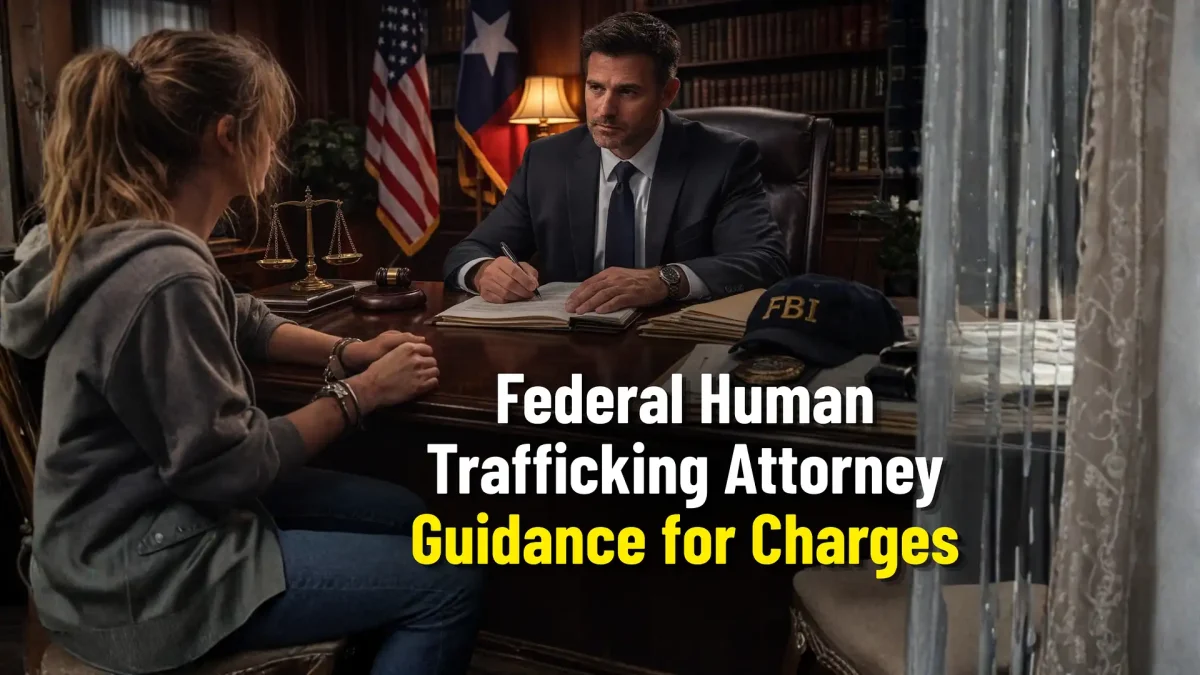
Categories
Criminal Defense

Dallas Fort Worth Child Sexual Assault Attorney for Online Solicitation Cases

Blog

Dallas Fort Worth Child Sexual Assault Attorney for Online Solicitation Cases

Reggie London

Reggie London

Dallas Fort Worth Child Sexual Assault Attorney for Online Solicitation Cases

In today’s digital age, online communication, texting, social media, and chat apps are part of everyday life. But for some individuals, what begins as an online conversation can lead to serious criminal charges when minors are involved. In Texas, the crime of Texas Penal Code §33.021, commonly referred to as “online solicitation of a minor,” carries harsh penalties, long prison sentences, and long-term consequences such as mandatory sex‑offender registration.

If you or someone you know is facing such charges in the Dallas–Fort Worth region, it is vital to understand the law, the risks, and the importance of solid legal representation. A dedicated Child Sexual Assault Attorney can make a crucial difference.

This blog provides a detailed, easy-to-understand guide to online solicitation laws in Texas, what the prosecution must prove, potential defenses, and how an attorney can help you navigate the legal process while highlighting why timely action matters.

What is “Online Solicitation of a Minor”?

Under Texas law, online solicitation of a minor occurs when an adult (or someone over 17) uses the Internet or other electronic communication to attempt to engage in illegal sexual activity with a minor (someone under 17), or to transmit sexually explicit material to them. 

More precisely, §33.021 defines two main ways someone can be charged:

  • Communication of sexually explicit material to a minor (or distributing such material).

  • Solicitation — i.e., knowingly encouraging or requesting a minor to meet (or meet someone) with the intent of engaging in sexual contact, sexual intercourse, or deviate sexual intercourse.

Importantly, the law does not require that a meeting actually occur. Even if the encounter was purely online — with no physical meeting — the act of solicitation or sexual communication alone can trigger criminal liability. 

Under the statute, “minor” is defined as an individual under 17 years of age (or someone the actor believes to be under 17).

Punishments and Consequences Under Texas Law

Because Texas treats these offenses very seriously, a conviction under §33.021 carries severe penalties.

Scenario / Statute Subsection Felony Degree Prison Sentence Fine Other Consequences
Subsection (b): Communicating or distributing sexually explicit material to a minor (age 14–16)
Third‑Degree Felony
2–10 years in prison
Up to $10,000
Mandatory registration as a sex offender
Subsection (b): If the minor is under 14 (or believed to be under 14)
Second‑Degree Felony
2–20 years in prison
Up to $10,000
Sex‑offender registration, long-term record
Subsection (c): Solicitation to meet or arrange sexual contact/ intercourse/deviate intercourse
Second‑Degree Felony
2–20 years in prison
Up to $10,000
Sex‑offender registration required, permanent criminal record
Enhanced punishment if solicitation is committed during regular school hours when the minor is enrolled in school
Elevated felony classification (higher degree than standard)
Same, but heightened sentencing risks

Beyond prison and fines, a conviction under §33.021 triggers mandatory sex‑offender registration – a life-changing consequence that affects employment prospects, housing, and personal relationships.

Also, under Texas law, even deferred adjudication (a plea agreement where adjudication is withheld) counts, meaning sex-offender registration is still required.

Why Charges Can Be Brought Even Without a Physical Meeting?

A crucial aspect of §33.021 is that the law penalizes the intent and act of solicitation or sexual communication – not just the result of a meeting or physical contact. 

  • The statute explicitly states it is not a defense that the meeting never occurred.
  • Thus, even online conversations alone – sexually explicit messaging, requests, proposals – can suffice for criminal charges if the messages meet the statutory elements. 
  • This makes many cases “digital,” relying heavily on chat logs, social‑media messages, text‑message history, and forensic collection of online communication. 
Child Sexual Assault Attorney

Because there is no requirement for physical contact, the risk of charges is high – even in situations where the defendant believed the recipient was an adult or where “nothing ever happened.”

Common Cases & How Prosecutions Typically Proceed

Many of the charges under §33.021 arise through scenarios such as:

  • Law‑enforcement “sting” operations, where officers impersonate minors online, posting underage profiles, then engage in chat to catch individuals attempting solicitation.

  • Discovery by parents or guardians, where inappropriate messages on a minor’s phone/computer are reported.

  • Distribution of explicit images/videos or “sexting”, where adults allegedly send minors sexually explicit content or request such content.

  • Solicitation to meet in person, even if no meeting occurs, as long as there is communication with the intent to engage in sexual acts.

In many cases, the evidence used by prosecutors includes chat logs, text messages, email transcripts, metadata, IP addresses, and sometimes undercover recordings – meaning careful forensic analysis and documentation often drive the prosecution’s case.

Potential Defenses and Legal Challenges

Facing charges under §33.021 does not automatically mean conviction. There are several defenses and arguments that a Child Sexual Assault Attorney may explore, depending on the facts:

  • Statutory defenses listed in §33.021(e): Two narrow statutory defenses exist – if the adult was married to the minor, or if the adult was not more than three years older than the minor and the minor consented.
  • Entrapment: In cases involving sting operations, defense may argue that law enforcement induced the crime – meaning the defendant would not have committed it absent government instigation.
  • Challenging age/belief about age: If the defendant reasonably believed the other party was an adult, or if there is ambiguity about the minor’s real age, that may impact the “minor” element of the crime. (Though the statute defines “minor” as under 17 or believed to be under 17.)
  • Challenging the sufficiency or reliability of digital evidence: For example, disputing the authenticity of chat logs, proving manipulation or tampering, or showing that communications did not reflect criminal intent. A defense attorney can scrutinize chain‑of‑custody, digital forensic methods, consent, and context.
  • Plea negotiations or alternative sentencing: Depending on the strength-or weakness-of the prosecution’s case, there may be room to negotiate plea deals, deferred adjudication, or reduced charges – especially in instances involving ambiguous communications or disputed context.

Because each case is highly fact‑driven – depending on communication content, age difference, consent, evidence integrity, and whether law enforcement used undercover tactics – having a lawyer who knows how to evaluate and build these defenses is critical.

What to Do If You Are Accused - Immediate Steps to Take?

If you find yourself under investigation or arrested for online solicitation of a minor in the Dallas–Fort Worth area, here are practical steps you should follow – carefully and without delay:

  1. Invoke your right to remain silent immediately – Politely decline to answer questions until you have legal representation. Anything you say may be used against you.

  2. Preserve evidence and communications – Keep your phone, computer, chats, and emails intact. Do not delete messages, logs, or metadata.

  3. Do not attempt to contact the alleged minor or anyone involved – Avoid further communication, which could worsen the case or be used against you.

  4. Seek qualified legal representation without delay – A child sexual assault attorney experienced in Texas online solicitation laws can begin evaluating the facts and preserving your defense strategy.

  5. Document everything you can – Dates, times, context, any proof that can support your version (e.g., mistaken identity, age misunderstanding, consent issues, lack of intent, etc.).

  6. Avoid discussing the allegations publicly or on social media – Anything you post can be captured, preserved, and used by prosecutors.

Timely action is crucial because digital evidence can be lost, overwritten, or harder to retrieve as time passes.

Why a Child Sexual Assault Attorney Is Critical - Especially in Dallas–Fort Worth?

Here’s why securing a dedicated attorney can make a big difference:

  • Deep knowledge of §33.021 and related Texas statutes: The law is complex, with many technical definitions (e.g., “minor,” “sexually explicit,” “intent,” etc.). A seasoned attorney understands these definitions and how they apply to your case.

  • Ability to challenge the state’s evidence: Since most cases rely on digital communications and forensic analysis, an attorney can scrutinize chain‑of‑custody, metadata, authenticity of logs, and the methods used by law enforcement – sometimes revealing weaknesses in the prosecution’s evidence.

  • Skill in identifying and mounting statutory defenses: Like age‑gap exceptions, or (when applicable) challenging mistaken identity or consent arguments – these defenses must be presented proactively.

  • Experience with plea bargaining and mitigation: Not all cases go to a full trial. In some circumstances, especially where evidence is ambiguous, your attorney may negotiate deferred adjudication or reduced charges.

  • Protection of your rights and future: From ensuring fair procedural handling to avoiding unnecessary delays, a lawyer preserves your fundamental rights – and helps protect your future against lifelong consequences such as sex‑offender registration, job loss, housing difficulties, and social stigma.

In a large metro area like Dallas–Fort Worth, cases may involve local and state law enforcement, undercover operations in multiple jurisdictions, and cross–county coordination. A local attorney familiar with the courts, prosecutors, and legal standards in this region is especially valuable.

Common Myths and Misconceptions - What People Often Get Wrong

Because online solicitation cases are emotionally charged, there are many myths and misunderstandings. Let’s clear up a few:

  • “It was just chat – nothing happened physically, so it’s not a big deal.”
    → Wrong. Under §33.021, no physical meeting is required. The mere communication itself can be criminal.

  • “I thought the person was 18 – I didn’t know they were a minor.”
    → Even if you didn’t know for sure, the statute covers persons you believed to be minors (under 17). That makes “mistaken age” a risky defense.

  • “If I never met them or never planned to meet them, I can’t be convicted.”
    → Not correct. The law specifically states that failure to meet is not a defense.

  • “I can avoid consequences if I plead guilty and accept probation.”
    → Even deferred adjudication or plea bargains under §33.021 require sex‑offender registration. That carries long-term legal and social consequences.

Because of such misunderstandings, many people underestimate how serious these charges are – and how damaging a conviction can be for a lifetime.

Conclusion

If you or someone you know is facing online solicitation of a minor charges under §33.021, do not wait. The stakes are high – prison time, hefty fines, mandatory sex‑offender registration, and long-lasting impact on reputation and life. At L & L Law Group, we understand how emotionally charged and legally complex these cases are. As a criminal defense firm in the Dallas–Fort Worth area, we provide steadfast representation, guided by a deep understanding of Texas statutes and a commitment to preserving your rights and future. A solid defense built early and carefully can make the difference between conviction and freedom, between lifelong consequences and a second chance. Don’t face these charges alone. Contact L & L Law Group today to safeguard your future.

FAQs

Does the law only apply if I actually meet the minor physically?

No. Under §33.021, you can be charged even if you never physically meet the minor. The statute criminalizes the act of communicating sexual content or solicitation itself. Even if you never intended to meet, the mere offer or invitation via online communication to engage in sexual acts with a minor is sufficient for a charge.

What if I didn’t know the person was a minor - can I still be convicted?

Yes. The statute defines “minor” as someone under 17 or someone you believe to be under 17. That means even a good‑faith misunderstanding about age does not necessarily protect you. Prosecutors may argue the belief was reasonable, and juries may interpret “belief” based on evidence – chat logs, context, profile information, etc.

What are the legal defenses available against an online solicitation charge?

There are several possible defenses – including statutory ones under §33.021 (e.g., adult was married to the minor; or age difference within 3 years, plus consent) when applicable. Other defenses may include challenging the authenticity or integrity of digital evidence, arguing the communication was misinterpreted, or raising entrapment if law enforcement induced the offense. Context matters, so professional legal analysis is key.

What could happen if convicted, even if plea‑bargained, or with deferred adjudication?

Conviction (or deferred adjudication) under §33.021 results in mandatory sex‑offender registration. It becomes part of your permanent criminal record. Sentences can include 2–20 years in prison, depending on specifics (minor’s age, whether solicitation or distribution, etc.) You may also face large fines, loss of job opportunities, housing issues, social stigma, and restrictions on rights.

Should I talk to the police if I’m investigated or wait until I meet a lawyer?

You should request a lawyer immediately and refrain from answering questions or making statements until representation is in place. Anything you say – even during a casual interview can be used as evidence. A qualified attorney can help protect your rights, guide you through police questioning (or avoid it), and ensure you don’t inadvertently harm your defense.

Section Title

How To Identify And Avoid AI Scams In Texas, USA?

AI Scams in Texas are rising as cities like Frisco continue to grow and adopt new technology. The...

Legal Defense Strategies For Grooming Allegations In Texas

Grooming allegations in Texas carry serious legal weight. These cases move fast. They also involve...

What To Know When Facing Continuous Sexual Abuse Charges In Texas?

Continuous sexual abuse charges in Texas are taken very seriously under state law. In fact, these...

Drug Trafficking Charges In Texas: Legal Risks And Defense Strategies

Drug trafficking charges in Texas cases place you on the front line of federal and state drug...

Penalties And Legal Defense Strategies For Texas Federal RICO Charges

Facing federal RICO charges feels like a nightmare. Although Congress created these laws to target...

What to Do If Facing Embezzlement Charges in Texas?

Facing embezzlement charges in Texas is a serious and often life-altering situation. These cases...

Simplifying Data Breach Liability Law And Your Legal Risks

In the current digital landscape, data breach liability law makes it clear that a breach is no...

What Impacts The Role Of DNA Evidence In Criminal Cases In Texas?

DNA evidence in criminal cases in Texas carries immense weight with modern juries, often viewed as...

Possession Of Prohibited Weapons In Texas: What You Need To Know?

Possession of prohibited weapons in Texas is taken very seriously under state law, even though Texas...
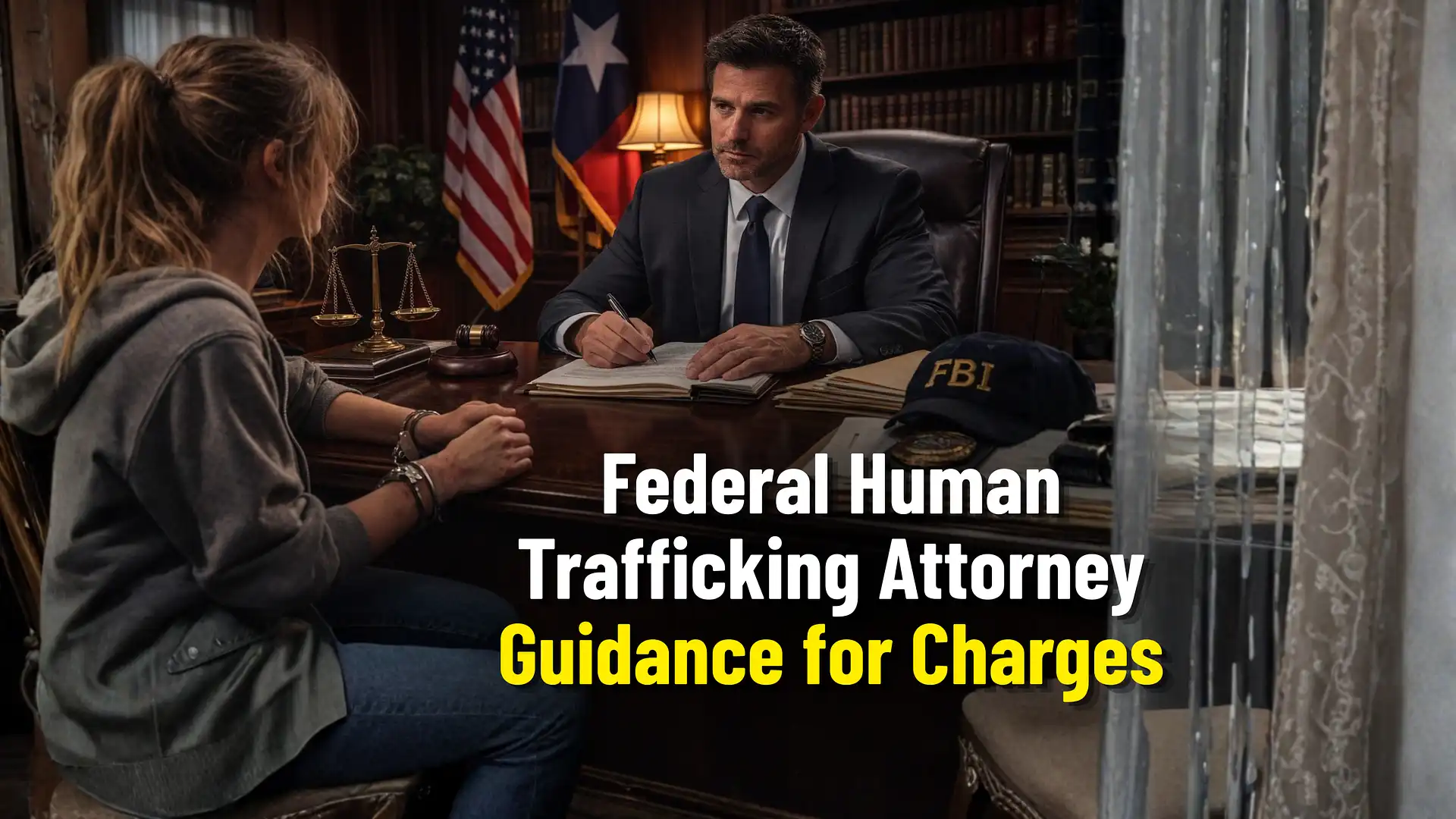
Categories
Criminal Defense

Federal Attorney Handles Drug Trafficking Penalties and Charges

Blog

How a Federal Attorney Handles Drug Trafficking Penalties and Charges?

Reggie London

Reggie London

Attorney Handles Drug Trafficking Penalties

When facing drug trafficking charges in Dallas Fort Worth, hiring a skilled federal attorney is crucial. Federal drug cases carry severe penalties, complex procedures, and lasting consequences. A knowledgeable attorney can explain the charges, protect your rights, and develop a defense strategy tailored to your circumstances. Federal prosecutions differ significantly from state cases, and understanding these differences is key to preparing a strong defense in the Northern District of Texas.

What Is Federal Drug Trafficking?

Federal drug trafficking involves manufacturing, distributing, or possessing with the intent to distribute. Under 21 U.S.C. § 841, penalties vary based on the type and quantity of drugs. Common substances in federal cases include cocaine, methamphetamine, heroin, fentanyl, and marijuana.

Federal investigations may involve the DEA, FBI, or Homeland Security agents working with local law enforcement. Evidence is often collected through surveillance, controlled buys, wiretaps, and informants. Because federal cases are more severe than state offenses, early legal representation is essential to protect your rights.

Federal vs. State Drug Trafficking Charges

Understanding the difference between state and federal drug trafficking charges is critical.

Texas State Charges:

  • Governed by the Texas Health and Safety Code.
  • Penalties depend on drug type and quantity.
  • Can range from state jail to first-degree felony: 5–99 years imprisonment and fines up to $250,000.

Federal Charges:

  • Governed by federal statutes with mandatory minimums.
  • Penalties start at 5–10 years for major drugs and can reach life imprisonment for large-scale trafficking.
  • Federal investigations often involve multi-agency collaboration, cross-state evidence, and stricter procedural rules.

Because federal penalties are generally harsher, a specialized federal attorney is necessary to develop a defense tailored to federal court requirements.

Federal Drug Trafficking Penalties

Federal drug trafficking penalties depend on drug type, quantity, and prior convictions. Here’s a breakdown:

Drug & Quantity First Offense Second Offense
Cocaine 500–4999 g
5–40 years
10–life
Cocaine ≥5 kg
10–life
15–life
Fentanyl 10–99 g
5–40 years
10–life
Methamphetamine 5–49 g
5–40 years
10–life
Heroin 100–999 g
5–40 years
10–life

Additional penalties may include:

  • Fines reaching millions of dollars
  • Asset forfeiture
  • Aggravated penalties for death or serious injury

Federal courts apply these penalties rigorously, making early and skilled legal defense essential.

How Federal Drug Trafficking Charges Are Filed?

Federal investigations for drug trafficking offenses often begin well before any formal charges are filed. Law enforcement agencies, including the DEA, FBI, and local task forces, employ a variety of investigative techniques such as undercover operations, controlled purchases, wiretaps, and electronic surveillance to gather evidence. Informants and cooperating witnesses may also play a key role in building the case.

Once investigators establish probable cause, the evidence is presented to a grand jury, which may issue an indictment. Following this, the defendant is formally arrested, often facing serious federal charges immediately.

Federal Attorney

In Dallas Fort Worth, these cases are prosecuted in the Northern District of Texas, a federal jurisdiction experienced with complex trafficking cases. Federal procedures differ from state cases, including strict rules on discovery, bail hearings, and pre-trial motions. Early involvement of a skilled federal attorney is critical to ensure that the client’s rights are protected, motions are filed timely, and defense strategies are effectively planned from the outset. This proactive approach can influence everything from bail conditions to plea negotiations and trial preparation, giving defendants a stronger position in federal court.

The Role of a Federal Attorney in Dallas Fort Worth

Facing federal drug trafficking charges in Dallas Fort Worth is a high-stakes situation where the expertise of a skilled federal attorney can make a significant difference in the outcome. A federal attorney provides comprehensive guidance and advocacy throughout the entire process, from investigation through trial and sentencing.

Protecting Rights

One of the attorney’s primary responsibilities is ensuring that law enforcement and prosecutors adhere to constitutional and legal procedures. This includes reviewing how evidence was obtained, ensuring search and seizure protocols were followed, and protecting against unlawful interrogations or violations of your Fourth and Fifth Amendment rights.

Evaluating Charges

Federal drug laws are complex, and the penalties vary based on the type and quantity of the controlled substance. A federal attorney explains relevant statutes, drug schedules, and mandatory minimums to clients, helping them understand the potential consequences and strategic options for their defense. This evaluation forms the foundation for every decision made throughout the case.

Negotiating Pleas

In many federal cases, plea negotiations can reduce charges or secure lower sentences. An experienced attorney advocates for clients during these negotiations, presenting mitigating factors and challenging weak evidence to achieve the best possible outcome. Properly handled, plea discussions can prevent lengthy prison terms and other collateral consequences.

Preparing for Trial

When a case proceeds to trial, the federal attorney develops a strategic defense plan. This includes gathering and analyzing evidence, consulting with expert witnesses, and constructing compelling legal arguments. Thorough preparation ensures that all defenses are fully explored and that the client’s side of the story is effectively presented in court.

Local Expertise Matters

Being familiar with the Northern District of Texas federal courts, including judges, local rules, and prosecutorial practices, can significantly influence the defense strategy. Knowledge of local procedures allows the attorney to anticipate challenges, file timely motions, and leverage procedural nuances that may benefit the client.

In short, a federal attorney in Dallas Fort Worth is not just a legal representative but a critical advocate, strategist, and protector of rights, guiding clients through one of the most serious types of criminal cases in Texas.

Elements of a Federal Drug Trafficking Defense

Defense strategies may include:

  • Questioning Evidence: Attorneys may argue that law enforcement violated constitutional protections during searches or seizures, potentially weakening the prosecution’s case.
  • Disputing Quantity/Intent: Arguing the amount or intent to distribute.
  • Mitigating Circumstances: Presenting personal or situational factors to reduce sentencing.
  • Plea Negotiations: Reducing charges or penalties through agreements with prosecutors.

Each defense plan is customized based on case facts, prior history, and federal sentencing guidelines.

Federal Attorney

Collateral Consequences of a Federal Conviction

Federal convictions have life-altering consequences beyond prison:

  • Loss of Employment Opportunities: Many jobs, especially in education, childcare, and security, become inaccessible.
  • Housing and Finances: A criminal record may limit your ability to rent, get a mortgage, or obtain loans
  • Civil Liabilities: Victims may file lawsuits seeking damages.
  • Asset Forfeiture: Property connected to trafficking may be seized.

Early legal intervention helps mitigate these long-term effects.

How Federal Sentencing Works?

Federal sentencing for drug trafficking offenses is a structured yet complex process, designed to ensure penalties reflect the severity of the crime. Several key factors determine the final sentence:

Mandatory Minimums

Federal statutes set mandatory minimum sentences for various drug offenses based on the type and quantity of the controlled substance. For example, possession with intent to distribute certain quantities of cocaine, methamphetamine, or fentanyl carries a mandatory minimum of 5 to 10 years, even for first-time offenders. These mandatory minimums are non-negotiable unless specific legal exceptions apply, making early legal intervention critical.

United States Sentencing Guidelines (USSG)

Judges refer to the USSG to determine recommended sentencing ranges. These guidelines account for the quantity of drugs, the defendant’s role in the offense (e.g., leader, organizer, or minor participant), and whether violence or weapons were involved. Sentencing enhancements may also apply for aggravating factors such as using a minor in drug distribution or committing the offense near schools.

Prior Criminal History

A defendant’s criminal record significantly affects sentencing. Repeat offenders or individuals with prior felony convictions may face longer sentences, higher guideline ranges, or mandatory enhancements. Even minor prior convictions can influence the judge’s decision, so a thorough review of the defendant’s record is essential in building a defense.

Judge’s Discretion

While mandatory minimums and guidelines set boundaries, federal judges retain discretion to adjust sentences within statutory limits. Judges consider mitigating circumstances such as cooperation with authorities, acceptance of responsibility, or rehabilitation efforts. Conversely, aggravating factors like leadership in a drug organization or prior violent offenses may increase the sentence.

A skilled federal attorney in Dallas Fort Worth can leverage these factors to seek sentence reductions or adjustments. They may file motions for downward departures, challenge enhancements, or argue mitigating factors that could reduce exposure to lengthy prison terms, fines, or other penalties. Understanding and strategically navigating these elements can have a significant impact on the outcome.

Practical Steps After an Arrest

Being charged with federal drug trafficking in Dallas Fort Worth requires immediate and careful action to protect your rights and strengthen your defense. Key steps include:

Remain Silent

The Fifth Amendment grants you the right to stay silent during questioning. Avoid speaking to law enforcement or making statements without your attorney present. Even seemingly harmless comments can be used against you in federal court.

Contact a Federal Attorney Immediately

Federal cases are complex, and early intervention is critical. An attorney can advise on how to respond to law enforcement, request evidence, and develop a defense strategy from the outset.

Preserve Evidence

Do not delete or alter electronic files, texts, emails, or other digital evidence. Tampering with evidence can result in additional criminal charges and weaken your defense.

Document Relevant Facts

Keep a detailed record of events, interactions, and potential witnesses related to the case. Accurate documentation can support your defense and help your attorney challenge the prosecution’s evidence.

Limit Public Discussion

Avoid talking about your case with anyone outside your legal team, including on social media. Public statements can be monitored and introduced in court, potentially undermining your defense.

Follow Legal Guidance Closely

Attend all scheduled hearings, adhere to bail conditions, and communicate openly with your attorney. Consistent cooperation ensures that your defense remains strong and that procedural errors do not disadvantage you.

By following these steps promptly, defendants in Dallas Fort Worth can protect their constitutional rights, preserve critical evidence, and increase the likelihood of a favorable outcome in federal court.

Federal Drug Trafficking Statistics

Measure Data Point
Average Federal Sentencing Range for Major Drugs
5–40 years (DEA)
Fentanyl Cases Increasing Nationally
Priority focus due to rising trafficking (Reuters)
Notable Recent Sentences
Texas federal courts impose long sentences (e.g., 18 years for cocaine conspiracy) (AP News)

Conclusion

Facing federal drug trafficking charges in Dallas Fort Worth can be overwhelming, but having a dedicated federal attorney can significantly influence the outcome. Skilled legal counsel protects your rights, reviews evidence, and explores all defense strategies while negotiating or preparing for trial. Because federal penalties are severe and procedures complex, early intervention is crucial. Let L & L Law Group guide you through complex federal drug charges.

Frequently Asked Questions

What Drugs are Most Commonly Associated with Federal Trafficking Charges?

Federal drug trafficking cases often involve Schedule I or II controlled substances such as cocaine, methamphetamine, heroin, and fentanyl. These drugs are prioritized by federal law enforcement due to their high abuse potential and threat to public safety. Federal statutes impose mandatory minimum sentences based on the type and quantity of the drug seized. Even first‑time offenders can face substantial prison terms if the drug quantity meets certain thresholds. An experienced federal attorney can help clarify how specific substances affect charges and potential penalties in your case.

Can Federal and State Drug Trafficking Charges Be Filed For the Same Conduct?

Yes. Under dual sovereignty, both Texas state and federal prosecutors can charge an individual for the same acts if they violate both jurisdictions’ laws. For example, selling large quantities of a controlled substance may lead to state trafficking charges and separate federal trafficking charges if the crime crossed state lines or involved federal agencies. A federal attorney can coordinate defense strategies for both sets of charges to minimize exposure and seek the best possible resolutions in each court.

What is a Mandatory Minimum Sentence?

A mandatory minimum sentence is the least amount of time a judge must impose for certain drug trafficking offenses, regardless of other circumstances. For many federal drug trafficking cases, statutes set minimum prison terms based on drug type and weight. Judges cannot impose a sentence below these minimums unless specific exceptions apply. Mandatory minimums are part of the reason federal drug trafficking cases carry such severe penalties compared to state cases, and why strong legal advocacy is vital.

How Does a Federal Attorney Challenge Drug Trafficking Evidence?

A federal attorney may challenge evidence by arguing that law enforcement conducted an illegal search or seizure, failed to obtain proper warrants, or mishandled digital or physical evidence. Attorneys also review laboratory analyses and chain‑of‑custody procedures to identify weaknesses. If successful, such challenges can result in evidence being suppressed or excluded, significantly weakening the prosecution’s case and improving defense outcomes.

Are Plea Agreements Common in Federal Drug Trafficking Cases?

Yes. Many federal drug trafficking cases result in plea agreements, where defendants plead guilty to reduced charges or agree to sentencing recommendations in exchange for cooperation or mitigation. Skilled attorneys negotiate terms that aim to reduce the overall penalty and limit sentencing exposure. The decision to accept a plea must carefully weigh potential benefits and risks in light of the client’s situation.

How Does Prior Criminal History Affect Federal Drug Trafficking Penalties?

Prior convictions can significantly increase sentencing under federal guidelines. Repeat offenses often lead to higher mandatory minimums and longer guideline ranges. Prosecutors may use prior history to argue for harsher sentencing within or above guideline levels. A federal attorney works to mitigate the impact of prior convictions, possibly by presenting arguments for downward departures when permitted.

Section Title

How To Identify And Avoid AI Scams In Texas, USA?

AI Scams in Texas are rising as cities like Frisco continue to grow and adopt new technology. The...

Legal Defense Strategies For Grooming Allegations In Texas

Grooming allegations in Texas carry serious legal weight. These cases move fast. They also involve...

What To Know When Facing Continuous Sexual Abuse Charges In Texas?

Continuous sexual abuse charges in Texas are taken very seriously under state law. In fact, these...

Drug Trafficking Charges In Texas: Legal Risks And Defense Strategies

Drug trafficking charges in Texas cases place you on the front line of federal and state drug...

Penalties And Legal Defense Strategies For Texas Federal RICO Charges

Facing federal RICO charges feels like a nightmare. Although Congress created these laws to target...

What to Do If Facing Embezzlement Charges in Texas?

Facing embezzlement charges in Texas is a serious and often life-altering situation. These cases...

Simplifying Data Breach Liability Law And Your Legal Risks

In the current digital landscape, data breach liability law makes it clear that a breach is no...

What Impacts The Role Of DNA Evidence In Criminal Cases In Texas?

DNA evidence in criminal cases in Texas carries immense weight with modern juries, often viewed as...

Possession Of Prohibited Weapons In Texas: What You Need To Know?

Possession of prohibited weapons in Texas is taken very seriously under state law, even though Texas...
Categories
Criminal Defense

Arson Defense in Dallas Fort Worth

Blog

Arson Defense in Dallas Fort Worth: Criminal Defense Attorney Guide

Reggie London

Reggie London

Arson Defense in Dallas Fort Worth

When facing an arson charge in the Dallas–Fort Worth area, it’s critical to understand the laws under which you may be prosecuted, the potential consequences, and why having a seasoned criminal defense attorney is not just helpful, it can be vital. Under Texas Penal Code §28.02, the offense of arson carries severe penalties that can include decades behind bars. 

In what follows, we break down what constitutes arson under Texas law, the different levels of offenses and corresponding punishments, possible defenses, what to do if you are accused, and how a criminal defense attorney can protect your rights. This guide is geared toward individuals in the Dallas–Fort Worth area, but the legal principles apply statewide in Texas.

What Is Arson Under Texas Law?

Under Texas law, arson is defined broadly. According to §28.02 of the Texas Penal Code, a person commits the offense of arson if they start a fire or cause an explosion, with the intent to destroy or damage certain types of property.

Specifically, arson applies when someone acts with the intent to damage or destroy:

  • Vegetation, fence, or structure on open-space land; or
  • Any building, habitation, or vehicle

… under certain conditions — for example, if the property belongs to someone else, is insured, mortgaged, or located within an incorporated city or town. 

Additionally, the statute covers reckless conduct: even if the fire or explosion was not deliberately intended to destroy property, a person may still be charged if they recklessly endanger property or human life, particularly when the fire is started while manufacturing or attempting to manufacture a controlled substance.

Finally, arson under Texas law doesn’t necessarily require that damage actually occurred: the mere intent can trigger criminal liability.

Penalties & Degrees of Arson Charges in Texas

The severity of punishment under §28.02 depends on the specific facts of the case: the intent, the nature of the property involved, whether the fire was reckless or intentional, and whether injury or death occurred. 

Here’s a breakdown of how arson charges may be classified and their corresponding penalties:

Classification When It Applies Penalties (Prison + Fine)
Second Degree Felony
Intentional fire or explosion causing or intending to damage property (e.g., structure, vehicle, open-space land) under §28.02(a).
2–20 years in prison + up to $10,000 fine
First Degree Felony
If the property is a habitation, place of worship/assembly, or if the fire results in bodily injury or death.
5–99 years or life in prison + up to $10,000 fine
State Jail Felony
Reckless fire/explosion started during the manufacture or attempted manufacture of a controlled substance, or intentional fire which results in reckless damage or injury under certain subsections.
180 days–2 years in state jail + up to $10,000 fine
Third Degree Felony
Reckless arson during drug manufacturing that causes serious bodily injury or death.
2–10 years in prison + up to $10,000 fine

Because of these harsh penalties, even initial accusations of arson should be taken very seriously — especially in densely populated areas like Dallas–Fort Worth where damage or risk to persons may elevate the charge.

Common Ways People Get Charged — and What Prosecutors Must Prove

Criminal Defense Attorney

Here are typical scenarios leading to arson charges:

  • Deliberately setting fire to a building, vehicle, or structure.
  • Starting a fire on open-space land without proper authorization (or under suspicious circumstances).
  • Recklessly causing a fire or explosion (for instance, when handling flammable materials or during illegal drug manufacturing).
  • Fires set with ulterior motives — revenge, concealment of another crime (like murder), intimidation, or insurance fraud.

To secure a conviction, prosecutors must — depending on the case — prove either:

  1. Specific intent: That the defendant intended to damage or destroy property; or
  2. Recklessness/gross negligence: That the defendant acted dangerously, disregarded known risks to life or property, and their conduct caused (or could have caused) damage or danger.

In many cases, prosecutors rely on circumstantial evidence: for example, surveillance footage, purchase of accelerants, presence at the scene before or after ignition, suspicious behavior, or expert forensic fire analysis to show intent or reckless disregard.

Possible Defenses to an Arson Charge in Texas

Facing arson charges doesn’t always mean a guaranteed conviction. Under Texas law, there are recognized defenses depending on the circumstances. Some of the common defenses include:

  • Lack of intent: If you didn’t intend to start a fire or cause damage — e.g., accidental ignition or ignition under mistaken circumstances. In such a case, the prosecution may fail to prove the necessary “intent” element.
  • Recklessness not proven: If your actions don’t rise to the level of recklessness (gross negligence), or there is no proof that you disregarded a known risk.
  • Authorization or permit: For fires involving open-space land or controlled open burns, if you had appropriate permits or written authorization under local ordinances, you may have a valid defense.
  • Insufficient evidence / chain of custody issues: Fire cases often rely on forensic and circumstantial evidence; failure by the prosecution to preserve evidence properly, or unreliable expert analysis, can undermine their case.
  • Mistaken identity or false accusation: If there is no credible evidence tying you to the fire (e.g., alibi, witness contradictions), charges may be challenged.

Given these many potential defenses, often highly fact-specific, having an experienced criminal defense attorney can make a big difference.

Why does a Criminal Defense Attorney Matters — Especially in Dallas–Fort Worth?

If you’re facing arson charges in the DFW area, a knowledgeable criminal defense attorney can be crucial for several reasons:

  • Analyzing the facts thoroughly: Arson cases often involve complex evidence — fire‐scene forensics, expert testimony, surveillance/video evidence, witness statements, and more. A defense attorney knows how to scrutinize each piece, challenge prosecution’s evidence, and identify weaknesses.
  • Understanding legal nuances and defenses: Whether it’s questioning the prosecution’s proof of intent, arguing lack of recklessness, or leveraging legal technicalities like lack of proper permits — a good attorney knows the statutory defenses under §28.02 and how to apply them.
  • Negotiating with prosecutors: In many cases, especially if damage was minimal or unintentional, an attorney may negotiate reduced charges or plea deals — particularly if the evidence is weak or there are viable defenses.
  • Protecting constitutional rights: From illegal searches/seizures to improper handling of evidence — a defense attorney ensures that law enforcement and prosecutors follow the rules, and challenges violations when needed.
  • Guiding you through the legal process: From pre‑trial motions to possible plea bargaining, jury selection, and trial, the criminal defense attorney offers experienced representation and advocates zealously on your behalf.

In the high-stakes environment of Dallas–Fort Worth, where arson charges can lead to long-term prison sentences, you don’t want to navigate this alone.

What You Should Do Immediately If You Are Accused of Arson?

If you find yourself accused or under investigation for arson, it’s important to take prompt, considered steps. Here’s what to do:

  1. Invoke your right to remain silent — Politely decline to answer questions until you have a lawyer. Anything you say can be used against you.
  2. Do not tamper with evidence or revisit the scene — Avoid returning to the scene, altering anything, or disposing of items.
  3. Document everything — Write down your account of events, locations, times, and potential witnesses. If you have an alibi, gather any proof (phone records, receipts, video, etc.).
  4. Contact a qualified criminal defense attorney immediately — Time can be critical to preserve evidence and mount effective defenses.

Avoid discussing the case on social media or with acquaintances — Statements, posts, or photos can be used as evidence by prosecutors.

How Frequently Do Arson Charges Translate Into Convictions and What Are the Outcomes?

Actual statistics vary widely depending on the jurisdiction, severity of damage, whether someone was injured or killed, and the quality of evidence. Because many arson cases are resolved via plea bargains, publicly available conviction data may understate plea outcomes. Still, some general observations:

  • Cases with minimal property damage and a lack of clear evidence often result in reduced charges or dismissal.
  • When prosecutors have solid forensic evidence, surveillance footage, or proof of accelerant purchase/use, conviction rates — especially for second-degree felony arson — tend to be higher.
  • First‑degree arson cases, especially with injury or death, are aggressively prosecuted and often result in long sentences or life imprisonment.

Given this variability and the stakes involved, the role of a criminal defense attorney becomes even more critical.

The Role of a Criminal Defense Attorney in Building a Strong Defense

Criminal Defense Attorney

Below is a breakdown of how a criminal defense attorney typically approaches an arson case:

  • Initial case assessment — Reviewing the charging documents, police and fire‑investigation reports, forensic analyses, surveillance footage, and witness statements.
  • Challenging evidence and procedure — Filing motions to suppress illegally obtained evidence, questioning the reliability of forensic experts, or highlighting chain‑of‑custody errors.
  • Investigating alibi or alternate theories — Conducting independent investigation: interviewing witnesses, checking records, gathering proof of presence elsewhere, or expert analysis to show alternative sources of ignition.
  • Negotiating with prosecutors — Based on the strength (or weakness) of their case, negotiating plea deals, reduced charges, or deferred adjudication, particularly where there is no serious injury or death.
  • Preparing for trial — If necessary, building a defense strategy, selecting a jury (if applicable), and presenting evidence — including defense experts — to counter the prosecution’s claims.

This type of strategic, detail‑oriented defense can make a significant difference — potentially preventing a decades-long prison sentence.

Conclusion

If you or someone you know is facing arson charges in Dallas–Fort Worth, it is imperative to act with urgency and discretion. With the serious consequences under §28.02 of the Texas Penal Code, including decades in prison or even life imprisonment depending on the circumstances, you cannot afford to go without a skilled criminal defense attorney. L & L Law Group brings deep experience in criminal defense, a strong understanding of Texas statutes, and a client‑centered commitment to protecting your rights. With a seasoned criminal defense attorney on your side, you stand a significantly better chance of challenging the charges, negotiating favorable outcomes, or achieving acquittal. Do not face the heavy burden of an arson charge alone — contact L & L Law Group today to safeguard your future.

Frequently Asked Questions

What exactly must the prosecution prove to convict someone of arson in Texas?

Prosecutors must establish the elements laid out in Texas Penal Code §28.02. For an intentional arson charge, they must prove that the defendant started a fire or caused an explosion with the intent to damage or destroy property, such as a building, vehicle, or land (vegetation or structure). If they cannot show intent, but instead argue reckless behavior (for example, during dangerous manufacturing or grossly negligent handling of flammables), they must show that the defendant acted with conscious disregard of a substantial risk to property or human life.

Can a person be charged with arson even if no actual damage occurred?

Yes. Under Texas law, the mere intent to start a fire or cause an explosion to destroy or damage property even if the fire was extinguished before damage occurred — can lead to prosecution. That means authorities don’t necessarily need to show actual harm or destruction, only that you had the requisite intent (or reckless disregard) and completed the act of ignition or explosion.

What defenses are commonly used in arson cases?

Common defenses include: showing lack of intent (accidental ignition), demonstrating that conduct did not rise to recklessness or gross negligence, or proving lawful authorization (e.g., a proper permit for controlled burning). Also, defense may target weaknesses in the prosecution’s evidence — such as unreliable forensic analysis, chain-of-custody errors, or problematic witness testimony. A strong defense often requires thorough investigation and strategic legal motions.

What are the possible consequences if convicted of arson under §28.02?

Consequences vary depending on the degree of the offense. A second-degree felony carries 2–20 years in prison plus up to $10,000 fine. A first‑degree felony — for fires involving habitations, places of worship, or when there is injury or death — can lead to 5–99 years or life in prison, plus fines. Lesser but still serious classifications such as state jail felonies or third-degree felonies may apply in reckless-fire cases or fires during illegal drug manufacturing — punishable by 180 days–2 years (state jail) or 2–10 years (third-degree felony) respectively, plus fines.

If I’m charged with arson, should I consider pleading guilty to get a reduced sentence?

Whether to plead guilty depends heavily on the facts of your case, the strength of the evidence, and available defenses. A criminal defense attorney can review the prosecution’s case to assess the likelihood of conviction, identify potential weaknesses, and negotiate plea deals if appropriate. In some situations — especially where evidence is weak or defenses are strong- going to trial may yield better outcomes than accepting a plea. In other cases, a well-argued mitigation or negotiated plea may be in your best interest.

Section Title

How To Identify And Avoid AI Scams In Texas, USA?

AI Scams in Texas are rising as cities like Frisco continue to grow and adopt new technology. The...

Legal Defense Strategies For Grooming Allegations In Texas

Grooming allegations in Texas carry serious legal weight. These cases move fast. They also involve...

What To Know When Facing Continuous Sexual Abuse Charges In Texas?

Continuous sexual abuse charges in Texas are taken very seriously under state law. In fact, these...

Drug Trafficking Charges In Texas: Legal Risks And Defense Strategies

Drug trafficking charges in Texas cases place you on the front line of federal and state drug...

Penalties And Legal Defense Strategies For Texas Federal RICO Charges

Facing federal RICO charges feels like a nightmare. Although Congress created these laws to target...

What to Do If Facing Embezzlement Charges in Texas?

Facing embezzlement charges in Texas is a serious and often life-altering situation. These cases...

Simplifying Data Breach Liability Law And Your Legal Risks

In the current digital landscape, data breach liability law makes it clear that a breach is no...

What Impacts The Role Of DNA Evidence In Criminal Cases In Texas?

DNA evidence in criminal cases in Texas carries immense weight with modern juries, often viewed as...

Possession Of Prohibited Weapons In Texas: What You Need To Know?

Possession of prohibited weapons in Texas is taken very seriously under state law, even though Texas...
Categories
Criminal Defense

Federal Cases with a Texas Federal Healthcare Fraud Lawyer

Blog

Understanding Federal Cases with a Texas Federal Healthcare Fraud Lawyer

Reggie London

Reggie London

Understanding Federal Cases with a Texas Federal Healthcare Fraud Lawyer

When facing allegations of healthcare fraud, having a federal healthcare fraud lawyer in Dallas Fort Worth can make a critical difference. Federal healthcare fraud cases in Texas carry serious legal consequences, and having an experienced federal healthcare fraud lawyer can help protect your rights and navigate the complex legal process. This article explains what constitutes federal healthcare fraud in Texas, how charges are filed, the potential penalties, and the role of a skilled lawyer in protecting your rights.

What Counts as Federal Healthcare Fraud in Texas?

Dallas Fort Worth often handles cases involving a variety of schemes, each carrying serious legal consequences. Understanding the types of activities that can trigger federal investigations is crucial for anyone involved in the healthcare industry.

Common Examples of Healthcare Fraud

  1. False Billing for Services Not Provided
    This occurs when a provider bills Medicare, Medicaid, or another federal program for services that were never rendered. For example, a medical clinic may submit claims for patient visits, tests, or treatments that never occurred. Federal prosecutors in Texas treat this type of fraud as a serious offense, often leading to criminal charges and substantial fines.

  2. Overstating the Cost of Services
    Some providers inflate the cost of legitimate procedures to receive higher reimbursements from federal programs. This could involve charging for premium materials that were never used or exaggerating the complexity of a procedure. Overbilling not only violates federal law but can also trigger audits and extended investigations in the Dallas Fort Worth region.

  3. Billing for Unnecessary Medical Procedures
    Performing or billing for procedures that are not medically necessary constitutes fraud. Examples include unnecessary diagnostic tests, surgeries, or repeated treatments that do not align with accepted medical standards. Such actions not only endanger patients but also expose providers to both federal and state legal actions.

  4. Kickback Schemes Involving Referrals or Prescriptions
    A kickback scheme occurs when a healthcare provider receives money, gifts, or other incentives in exchange for referring patients or prescribing specific medications or treatments. Federal law strictly prohibits these arrangements, and violations can result in criminal prosecution, exclusion from federal programs, and civil liability.

  5. Falsifying Patient Records
    Altering or fabricating patient records to support fraudulent billing is another common type of healthcare fraud. This might involve changing diagnosis codes, backdating documents, or creating entirely fictitious patient files. In Texas, falsifying records is considered a serious offense that strengthens the government’s case in federal court.

Federal Programs Targeted by Prosecutors

In Texas, prosecutors prioritize fraud cases involving federally funded programs because they impact taxpayer dollars and public health services. The most commonly targeted programs include:

  • Medicare: Federal health insurance for individuals over 65 or with certain disabilities.
  • Medicaid: Joint federal and state program providing healthcare to low-income individuals.
  • TRICARE: Healthcare program for military service members and their families.
  • Other Government Health Initiatives: Programs that receive federal funding, such as the Veterans Affairs healthcare system or federally funded research clinics.

Federal prosecutors in Dallas Fort Worth often collaborate with agencies like the Department of Health and Human Services – Office of Inspector General (HHS-OIG) and the FBI to identify suspicious billing patterns and investigate potential fraud.

Federal Healthcare Fraud Lawyer

Legal Consequences Under Federal Law

Under 18 U.S.C. § 1347, individuals convicted of healthcare fraud may face severe consequences. Penalties can include:

  • Up to 10 years in federal prison per count of fraud,
  • Substantial fines to reimburse the government for losses,
  • Restitution payments to cover fraudulent claims,
  • Professional repercussions, including loss of medical licenses or exclusion from federal healthcare programs.

Because federal healthcare fraud cases can involve multiple counts, the cumulative penalties can be severe. Engaging a qualified federal healthcare fraud lawyer early in Dallas Fort Worth is essential to safeguard rights, review evidence, and formulate a strong legal defense strategy.

How Charges Are Filed in Dallas Fort Worth?

Federal healthcare fraud cases in Dallas Fort Worth typically begin with formal investigations by federal agencies. These investigations are detailed and thorough, designed to uncover any potential misrepresentation or illegal billing practices related to federally funded healthcare programs.

Key Agencies Involved:

  • Department of Health and Human Services: Office of Inspector General (HHS-OIG): Audits and reviews Medicare and Medicaid claims for unusual billing patterns.
  • Federal Bureau of Investigation (FBI): Investigates criminal aspects of healthcare fraud, including kickback schemes, falsification of records, and conspiracy allegations.
  • Centers for Medicare & Medicaid Services (CMS): Monitors compliance and flags claims for further review.

Investigation Process:

  • Audits of medical records and billing statements to check for inconsistencies or overbilling.
  • Subpoenas requiring providers or employees to produce relevant documents.
  • Interviews with staff, patients, or others with knowledge of potential fraudulent activity.

After sufficient evidence is gathered, the U.S. Attorney’s Office may file criminal charges, including:

  • Medicare fraud
  • Medicaid fraud
  • Conspiracy to commit healthcare fraud
  • False claims under the False Claims Act

The case then proceeds through federal court, from pretrial hearings and motions to a potential trial.

The Role of a Texas Federal Healthcare Fraud Lawyer

Facing federal healthcare fraud charges in Dallas Fort Worth can be overwhelming. A Texas federal healthcare fraud lawyer provides essential legal guidance from the start of an investigation through trial or resolution. Their expertise ensures that clients’ rights are protected while navigating complex federal procedures.

Evaluating Evidence

One of the first tasks a federal healthcare fraud lawyer undertakes is reviewing all available evidence. This includes:

  • Claims and billing statements submitted to Medicare, Medicaid, or other federal programs
  • Patient records and medical documentation that may support or contradict allegations
  • Internal communications and emails that could indicate intent or knowledge of fraudulent activity

A careful evaluation helps identify weaknesses in the prosecution’s case and develop strategies to challenge inaccurate or misleading claims.

Advising Clients on Legal Options

A skilled lawyer explains potential outcomes and guides clients through available options, including:

  • Federal sentencing guidelines and how penalties are calculated
  • Possible defenses under Texas-specific healthcare laws and regulations
  • Pros and cons of trial versus negotiated resolution, such as plea agreements or deferred prosecution arrangements

This ensures clients make informed decisions while protecting both personal and professional interests.

Negotiating with Prosecutors

 Experienced lawyers often work directly with federal prosecutors to seek:

  • Reduced charges or lesser counts
  • Plea agreements or settlements
  • Restitution-based resolutions that may limit long-term consequences

Negotiation can be especially important in Dallas Fort Worth, where local federal courts may have specific approaches to healthcare fraud cases.

Representing Clients in Court

If a case proceeds to trial, a federal healthcare fraud lawyer provides robust courtroom advocacy, including:

  • Filing and arguing motions to dismiss or limit charges
  • Examining and cross-examining witnesses, including government auditors and investigators
  • Presenting expert testimony and evidence to challenge allegations
Federal Healthcare Fraud Lawyer

Immediate Steps to Take if Investigated

Anyone under investigation should act carefully to protect their rights:

  • Do not respond directly to subpoenas or investigators without counsel.
  • Avoid self-incrimination by speaking only with your lawyer.
  • Keep accurate records of communications, billing statements, and patient files.
  • Engage an experienced federal healthcare fraud lawyer as soon as possible.

By combining proactive legal guidance with immediate protective steps, a lawyer can significantly influence the outcome of federal healthcare fraud cases, helping clients limit exposure to severe penalties and safeguard their careers.

Local Considerations in Dallas Fort Worth

Texas has unique legal and healthcare regulations that affect federal fraud cases:

  • High-volume Medicare and Medicaid claims in urban areas increase scrutiny.
  • Regional healthcare providers are frequently audited.
  • Local U.S. Attorney offices in the Northern and Eastern Districts of Texas manage cases with slightly different approaches.

For residents and medical providers in Dallas Fort Worth, working with a lawyer familiar with local federal courts and regional practices is critical.

Potential Consequences and Penalties in Texas

Facing federal healthcare fraud charges in Dallas Fort Worth carries serious legal and professional consequences. Individuals convicted under federal law may encounter a combination of prison time, significant fines, restitution payments, and professional sanctions such as loss of medical licenses or exclusion from federal healthcare programs. The severity of penalties depends on the type of offense, the number of fraudulent claims, and prior legal history.

The following table summarizes common federal healthcare fraud penalties in Texas (2024), highlighting both criminal and financial consequences:

Offense Type Potential Prison Maximum Fine Restitution
False billing for services not rendered
Up to 10 years
$250,000
Full reimbursement
Kickbacks for referrals
Up to 5 years per count
$100,000 per count
N/A
False claims under Medicare/Medicaid
Up to 10 years
Triple damages + $11,000 per claim
Full reimbursement
Conspiracy to commit healthcare fraud
Up to 5 years per count
$250,000
Full reimbursement

Engaging a Texas federal healthcare fraud lawyer early in the process is crucial. They can help you understand the potential impact, explore defense strategies, and protect your rights throughout the investigation or trial. Prompt legal representation can help minimize exposure and support a strong defense in Dallas Fort Worth federal courts.

Conclusion

Facing federal healthcare fraud charges in Dallas Fort Worth is serious, and professional legal representation is essential. A federal healthcare fraud lawyer can protect your rights, assess the evidence, and guide you through each stage of the legal process. Acting promptly, being open with your attorney, and leveraging their expertise can help minimize risks and enhance your chances of a positive outcome. For professional support, L & L Law Group provides skilled representation in federal cases across Texas.

Frequently Asked Questions

What is Considered Federal Healthcare Fraud in Texas?

Federal healthcare fraud in Texas involves intentionally deceiving a federally funded healthcare program, such as Medicare, Medicaid, or TRICARE, to obtain financial gain. This can include submitting false claims for services not provided, overbilling for procedures, billing for unnecessary treatments, or participating in kickback schemes in exchange for referrals or prescriptions. Texas federal courts treat these offenses very seriously. Convictions can lead to significant prison time, steep fines, restitution payments, and professional consequences, including the loss of medical licenses or exclusion from federal programs. Understanding what constitutes fraud is critical for healthcare providers and administrators to avoid unintentional violations.

How Can a Federal Healthcare Fraud Lawyer Help in Dallas Fort Worth?

A federal healthcare fraud lawyer guides clients through complex federal investigations and court procedures, reviews all relevant evidence, and develops a customized defense strategy. In Dallas Fort Worth, local experience matters: lawyers familiar with regional federal courts and prosecutors can effectively challenge charges, negotiate plea agreements, or pursue alternative resolutions. Early legal representation can protect rights, minimize penalties, and provide a structured approach to responding to investigations.

What Penalties Could I Face For Healthcare Fraud in Texas?

Penalties for federal healthcare fraud in Texas are severe and can include prison sentences of up to 10 years per count, fines that may reach $250,000 or more, and restitution payments to reimburse the government for any fraudulent claims. Convictions can also result in professional consequences, such as the loss of medical licenses or exclusion from federal healthcare programs like Medicare and Medicaid. The exact penalties depend on factors including the type and scope of the fraud, the number of false claims submitted, prior convictions, and applicable federal sentencing guidelines. Engaging an experienced federal healthcare fraud lawyer early can help assess potential exposure, explore defense strategies, and possibly mitigate the severity of penalties.

Can a Lawyer Help Reduce Potential Penalties?

Yes. A skilled federal healthcare fraud lawyer can play a critical role in reducing potential penalties. They may negotiate plea agreements, settlements, or deferred prosecution arrangements, which can lessen prison time, fines, or restitution obligations. Beyond negotiation, the lawyer carefully reviews the government’s evidence to identify weaknesses or inconsistencies, enabling them to file motions to dismiss, suppress evidence, or limit charges. They can also present mitigating factors, such as lack of intent or minor involvement, to influence sentencing. By combining strategic defense, negotiation skills, and knowledge of federal sentencing guidelines, a lawyer can significantly improve outcomes. Engaging experienced legal counsel early ensures that every available option is explored, potentially minimizing both legal and professional consequences.

How Should I Respond If I Receive a Federal Investigation Notice?

If you receive a federal investigation notice for healthcare fraud, do not respond to investigators without legal counsel. Words spoken may be introduced as evidence. Contact a qualified federal healthcare fraud lawyer immediately to protect your rights and guide your next steps. Start gathering all relevant documents, such as billing statements, patient records, and internal communications, keeping them organized and intact. Avoid altering or destroying any information, as this can have serious legal consequences. An experienced lawyer can review the evidence, advise on how to respond to subpoenas or interviews, and develop a defense strategy. Acting quickly helps minimize risks, protect your professional reputation, and navigate the federal investigation effectively.

Section Title

How To Identify And Avoid AI Scams In Texas, USA?

AI Scams in Texas are rising as cities like Frisco continue to grow and adopt new technology. The...

Legal Defense Strategies For Grooming Allegations In Texas

Grooming allegations in Texas carry serious legal weight. These cases move fast. They also involve...

What To Know When Facing Continuous Sexual Abuse Charges In Texas?

Continuous sexual abuse charges in Texas are taken very seriously under state law. In fact, these...

Drug Trafficking Charges In Texas: Legal Risks And Defense Strategies

Drug trafficking charges in Texas cases place you on the front line of federal and state drug...

Penalties And Legal Defense Strategies For Texas Federal RICO Charges

Facing federal RICO charges feels like a nightmare. Although Congress created these laws to target...

What to Do If Facing Embezzlement Charges in Texas?

Facing embezzlement charges in Texas is a serious and often life-altering situation. These cases...

Simplifying Data Breach Liability Law And Your Legal Risks

In the current digital landscape, data breach liability law makes it clear that a breach is no...

What Impacts The Role Of DNA Evidence In Criminal Cases In Texas?

DNA evidence in criminal cases in Texas carries immense weight with modern juries, often viewed as...

Possession Of Prohibited Weapons In Texas: What You Need To Know?

Possession of prohibited weapons in Texas is taken very seriously under state law, even though Texas...

Categories
Criminal Defense

Federal Gun Crime Lawyer Minimizes Weapon Penalties

Blog

How a Federal Gun Crime Lawyer Minimizes Weapon Penalties?

Reggie London

Reggie London

Section Title

How To Identify And Avoid AI Scams In Texas, USA?

AI Scams in Texas are rising as cities like Frisco continue to grow and adopt new technology. The...

Legal Defense Strategies For Grooming Allegations In Texas

Grooming allegations in Texas carry serious legal weight. These cases move fast. They also involve...

What To Know When Facing Continuous Sexual Abuse Charges In Texas?

Continuous sexual abuse charges in Texas are taken very seriously under state law. In fact, these...

Drug Trafficking Charges In Texas: Legal Risks And Defense Strategies

Drug trafficking charges in Texas cases place you on the front line of federal and state drug...

Penalties And Legal Defense Strategies For Texas Federal RICO Charges

Facing federal RICO charges feels like a nightmare. Although Congress created these laws to target...

What to Do If Facing Embezzlement Charges in Texas?

Facing embezzlement charges in Texas is a serious and often life-altering situation. These cases...

Simplifying Data Breach Liability Law And Your Legal Risks

In the current digital landscape, data breach liability law makes it clear that a breach is no...

What Impacts The Role Of DNA Evidence In Criminal Cases In Texas?

DNA evidence in criminal cases in Texas carries immense weight with modern juries, often viewed as...

Possession Of Prohibited Weapons In Texas: What You Need To Know?

Possession of prohibited weapons in Texas is taken very seriously under state law, even though Texas...